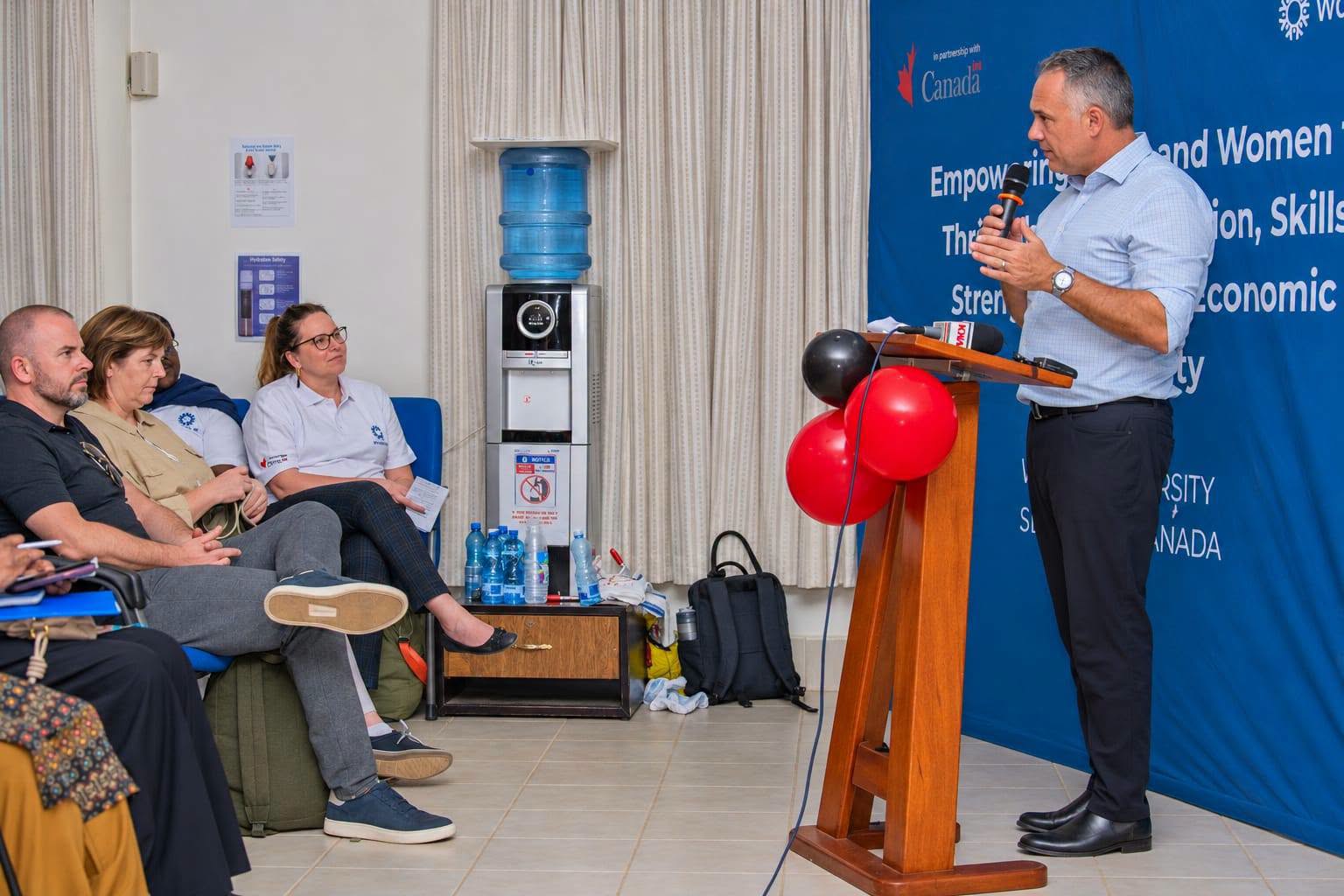
Garissa County has hosted Canada's High Commissioner to Kenya, H.E. Joshua Tabah, for the launch of the seven-year STEP Project in Dadaab, targeting 10,000 refugee and host community youth across Garissa and Turkana counties.
Funded by Global Affairs Canada and implemented by World University Service of Canada (WUSC), the STEP Project seeks to strengthen skills training, expand economic opportunities and promote self-reliance among refugee and host community youth.
The seven-year initiative, running from 2026 to 2033, reinforces Canada's commitment to refugee integration and aligns with Kenya's Shirika Plan, the Refugees Act 2021 and Garissa's Integrated Socio-Economic Development Plan.
Garissa County has strengthened its partnership with the Government of Canada and international development agencies following the launch of the seven-year Strengthening Skills Training Ecosystems & Pathways (STEP) Project in Dadaab, an initiative aimed at improving economic opportunities and self-reliance among refugee and host community youth.
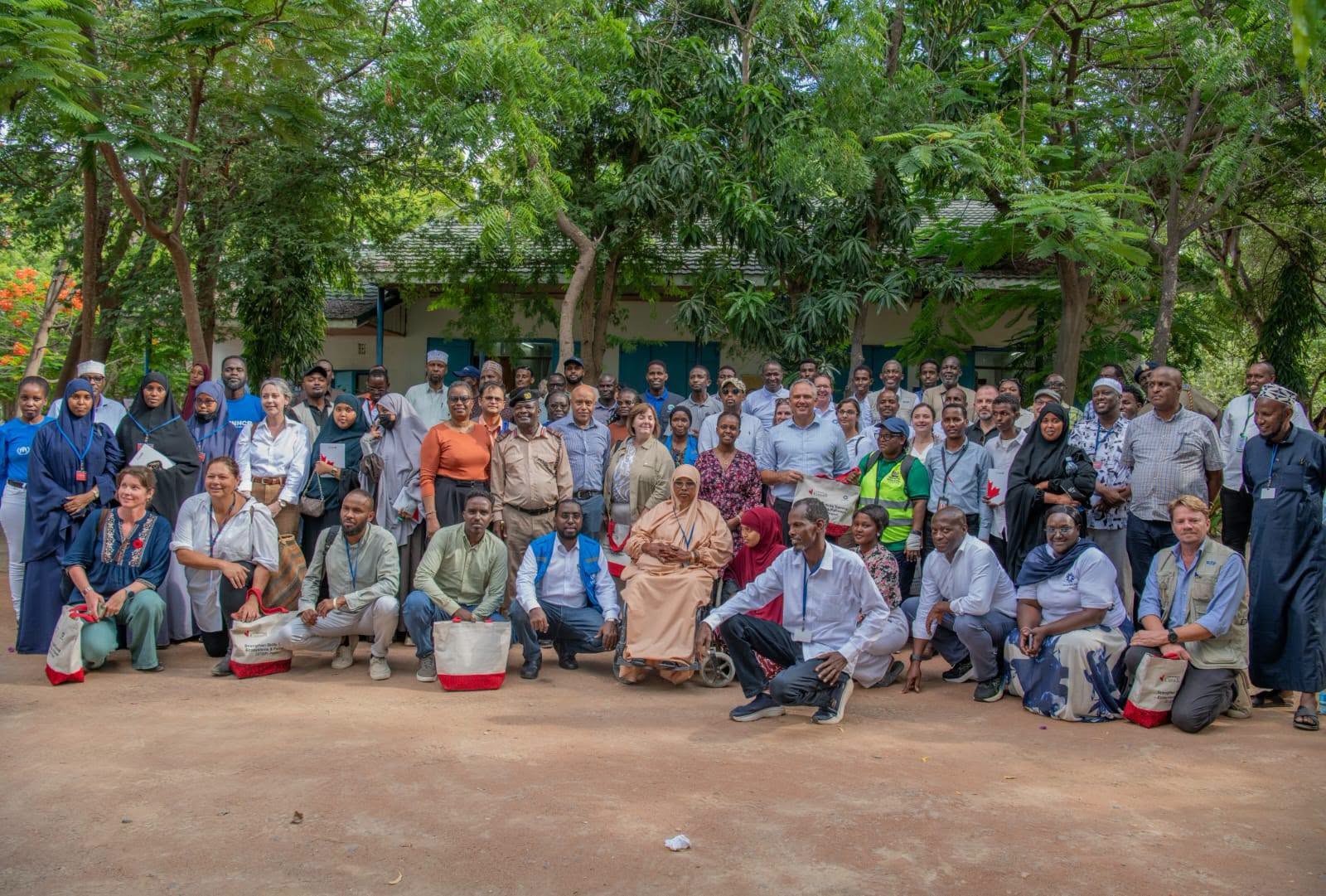
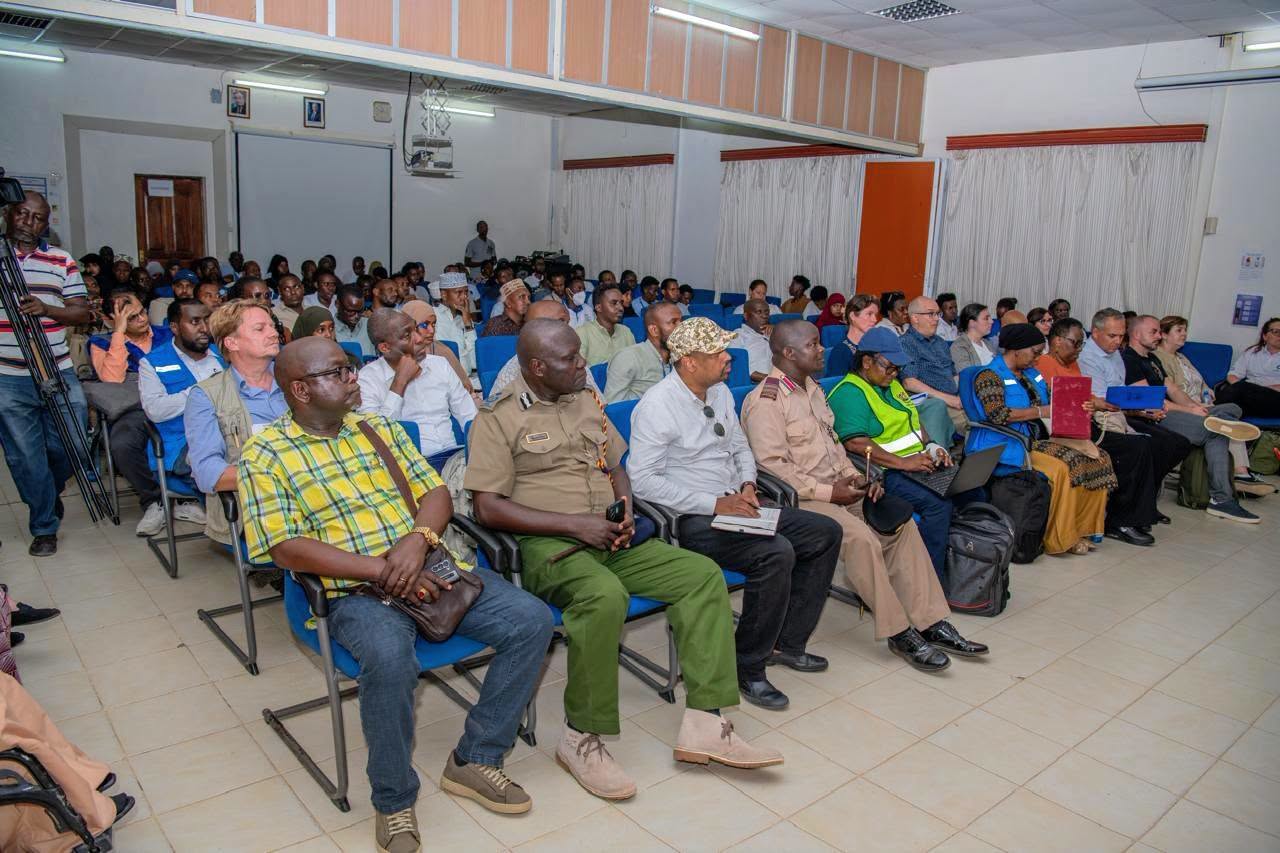
Garissa County Executive Committee Member (CECM) for Health, Mr. Ahmednadhir, representing Governor H.E. Nathif Jama, EGH, hosted a high-level delegation from the Government of Canada and the United Nations for the official launch held at the Ban Ki-moon Hall, UNHCR Compound in Dadaab.
The delegation was led by Canada's High Commissioner to Kenya, H.E. Joshua Tabah, and brought together senior government officials and development partners to reaffirm their commitment to inclusive development, youth empowerment and sustainable refugee integration.
The STEP Project is a seven-year initiative running from 2026 to 2033, funded by Global Affairs Canada and implemented by World University Service of Canada (WUSC). It targets 10,000 refugee and host community youth across Garissa and Turkana counties, with a 60:40 refugee-to-host community beneficiary ratio.
The initiative seeks to strengthen skills training ecosystems and create pathways to economic participation, enabling young people from refugee and host communities to access opportunities that improve their livelihoods, economic independence and long-term resilience.
Speaking during the launch, High Commissioner Tabah reaffirmed Canada's commitment to supporting refugee integration and sustainable development in Kenya, noting the importance of aligning interventions with national and county development priorities.
The project is aligned with Kenya's Shirika Plan, the Refugees Act of 2021 and the Garissa Integrated Socio-Economic Development Plan (GISEDP), which provide frameworks for promoting refugee inclusion, strengthening host communities and transitioning from humanitarian assistance towards sustainable development.
The launch brought together representatives from the Government of Canada, the Government of Kenya and the Department of Refugee Services, highlighting the importance of strategic partnerships in addressing the socio-economic challenges facing refugee and host communities.
The Canadian delegation included Catherine Scott, Assistant Deputy Minister for Social Programs at Immigration, Refugees and Citizenship Canada (IRCC); Murray Jones, Assistant Deputy Minister and Chief People and Communications Officer; Calder, Counsellor for Health and Humanitarian Affairs at Canada's Permanent Mission to the United Nations; and Heather Donald, First Secretary and Refugee Coordinator at IRCC Nairobi.
Representing the Government of Kenya were Ambassador Njambi Kinyungu, Deputy Director General of the Multilateral Affairs Directorate, and Ms. Hilda Nambanga, Foreign Service Officer, both from the Ministry of Foreign Affairs. The Department of Refugee Services was represented by Mercy Mwasaru, Acting Commissioner for Refugee Affairs.
The STEP Project is expected to contribute to strengthening the humanitarian-development nexus by creating sustainable economic opportunities, promoting skills development and fostering peaceful coexistence between refugee and host communities.
Through the seven-year intervention, Garissa and Turkana counties stand to benefit from strengthened youth skills development systems and expanded pathways to economic self-reliance, reinforcing the role of international partnerships in advancing inclusive and sustainable development.