
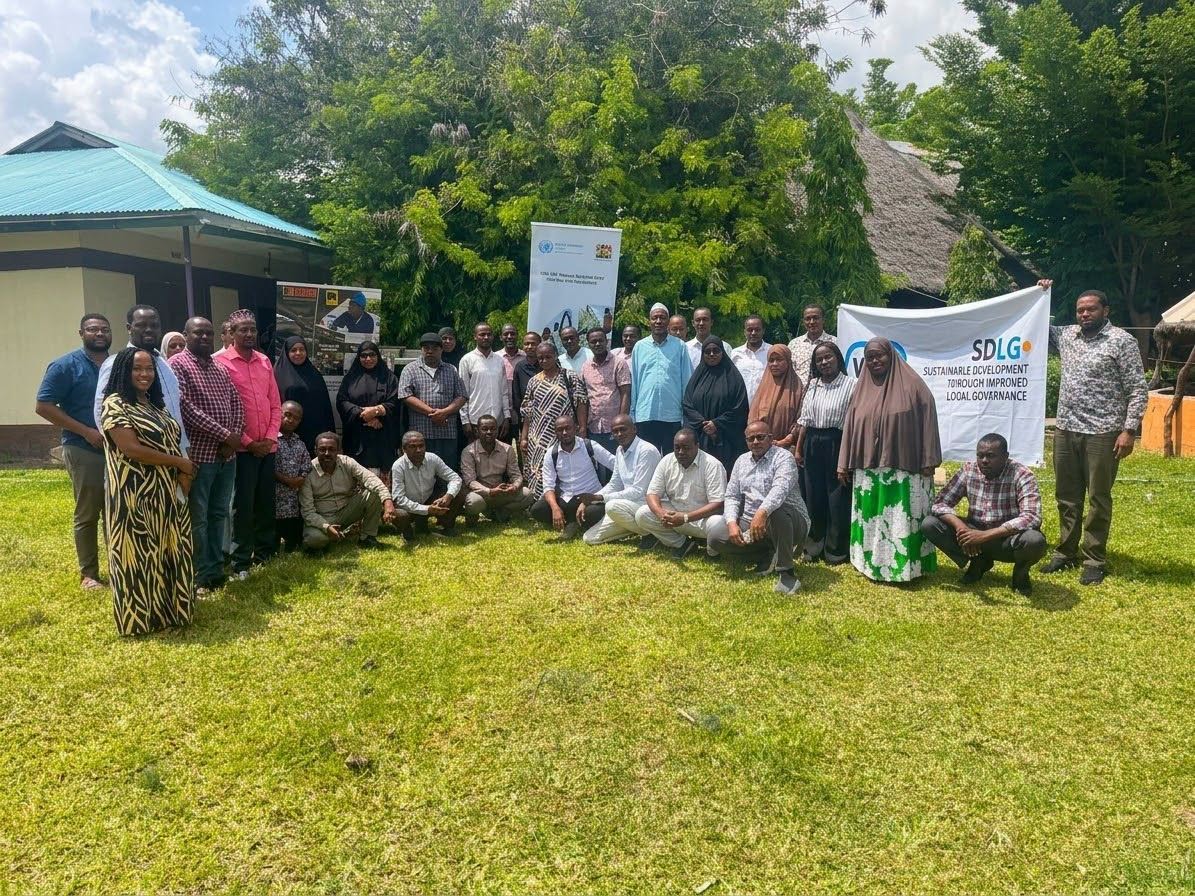
Garissa County, UNDP and development partners have convened county leaders in Dadaab to strengthen understanding and implementation of the Shirika Plan and Refugees Act, 2021, promoting refugee inclusion and sustainable host community development.
County Executive and County Assembly members have been sensitised on Kenya's new refugee management framework, with discussions focusing on improved service delivery, stakeholder coordination and peaceful coexistence between refugees and host communities.
The engagement highlighted the Garissa Integrated Socio-Economic Development Plan (GISEDP) as a key framework for aligning development investments, improving livelihoods and strengthening resilience among refugee and host communities in Dadaab.
The County Government of Garissa, in collaboration with the United Nations Development Programme (UNDP) and other development partners, is strengthening efforts to promote refugee inclusion and sustainable development for host communities through the implementation of the Shirika Plan and the Refugees Act, 2021.
Garissa County Executive and County Assembly members recently participated in a sensitization forum in Dadaab aimed at enhancing their understanding of the national refugee management framework, strengthening institutional coordination and exploring opportunities for inclusive socio-economic development.
The forum brought together representatives from the County Government of Garissa, the Department of Refugee Services (DRS), UNDP, the International Rescue Committee (IRC) and VNG International, providing a platform for government institutions and development partners to discuss emerging issues in refugee management and the role of county leadership in implementing the new policy direction.
During the engagement, participants were taken through the international and national legal and policy frameworks governing refugee protection and management. Discussions focused on the Refugees Act, 2021, its implications for Garissa County and the responsibilities of different stakeholders in ensuring effective implementation.
The sensitization also provided an opportunity for county leaders to examine how the evolving refugee management framework can support peaceful coexistence, improve access to essential services and promote sustainable development in communities hosting refugees.
Strengthening Understanding of the Shirika Plan
A key focus of the forum was the Shirika Plan, Kenya's new approach to refugee management, which seeks to transition from the traditional encampment model towards greater socio-economic inclusion and integration.
Under this approach, refugees and host communities are encouraged to share public services, development opportunities and essential infrastructure, creating an environment where both populations can benefit from government programmes and development investments.
Participants were briefed on the background, objectives and key building blocks of the Shirika Plan, alongside its implementation framework and progress made so far.
Particular attention was given to the Garissa Integrated Socio-Economic Development Plan (GISEDP), which provides a framework for coordinating development interventions in refugee-hosting areas.
The GISEDP seeks to ensure that investments in infrastructure, livelihoods, education, healthcare and other essential services respond to the needs of both refugees and host communities.
For Garissa County, the framework presents an opportunity to align refugee-related interventions with broader county development priorities while addressing longstanding challenges associated with hosting large refugee populations.
Strengthening Stakeholder Collaboration and Coordination
The forum further examined the roles and responsibilities of various stakeholders in implementing the Shirika Plan and the Refugees Act, 2021.
Discussions highlighted the importance of stronger collaboration between national government agencies, county institutions, development partners and humanitarian organisations in ensuring that refugee inclusion initiatives deliver meaningful results.
Participants explored opportunities for improved coordination, information sharing and joint planning to avoid duplication of interventions and maximise the impact of development resources.
The County Assembly also made a presentation, followed by a joint discussion on the way forward and the role of county leadership in supporting the implementation process.
The engagement underscored the importance of involving legislative and executive institutions in shaping policies and development priorities that respond to the realities of refugee-hosting communities.
Dadaab at the Centre of Refugee Inclusion Efforts
Dadaab holds a significant place in Kenya's refugee management landscape, having hosted refugees for more than three decades. Over the years, the presence of refugee populations has created both humanitarian responsibilities and development demands for surrounding host communities.
The pressure on public infrastructure, social services, natural resources and local livelihoods has made sustainable and inclusive development an important priority for the region.
The Shirika Plan provides an opportunity to address these challenges through a development-oriented approach that recognises the needs and contributions of both refugees and host communities.
By promoting shared services and development opportunities, the framework seeks to strengthen social cohesion, improve livelihoods and create more sustainable solutions for communities that have lived alongside one another for decades.
For Garissa County, effective implementation will require sustained investment, institutional capacity, strong partnerships and meaningful participation from local communities.
Towards Sustainable Development and Peaceful Coexistence
The sensitization forum marks an important step towards strengthening county-level understanding and ownership of the national refugee inclusion agenda.
By bringing together county leaders, national government agencies and development partners, the engagement is expected to contribute to better coordination and more informed decision-making on refugee management and host community development.
The discussions also reinforced the need to move beyond short-term humanitarian assistance towards long-term investments that strengthen economic opportunities, improve service delivery and build resilience among both refugee and host populations.
As Kenya advances the implementation of the Shirika Plan, Garissa County remains an important stakeholder in translating the policy's objectives into practical interventions that respond to local development needs.
The successful implementation of the framework in Dadaab will depend on continued cooperation among government institutions, development partners and communities to ensure that refugee inclusion goes hand in hand with improved living conditions and opportunities for host populations.
Ultimately, the initiative seeks to build communities where refugees and host populations can access essential services, participate in economic activities and contribute to shared development, while promoting dignity, social cohesion and peaceful coexistence.