
Garissa County is developing its first Trade and Industrialisation Policy to attract investors, support local enterprises and encourage businesses to reinvest within the county.
The proposed policy will guide the operationalisation of Garissa’s County Aggregation and Industrial Park, supporting value addition, job creation and stronger market connections.
Stakeholders in Dadaab explored how refugee-led businesses can expand beyond the camps and connect with wider Garissa markets under the proposed trade policy.
The County Government of Garissa is developing its first Trade and Industrialisation Policy to improve the business environment, attract investment and encourage local entrepreneurs to reinvest their capital within the county.
The initiative, led by the county’s Ministry of Trade, Investment and Enterprise Development, seeks to establish a practical and sustainable framework for trade, industrialisation, investment promotion and enterprise development.
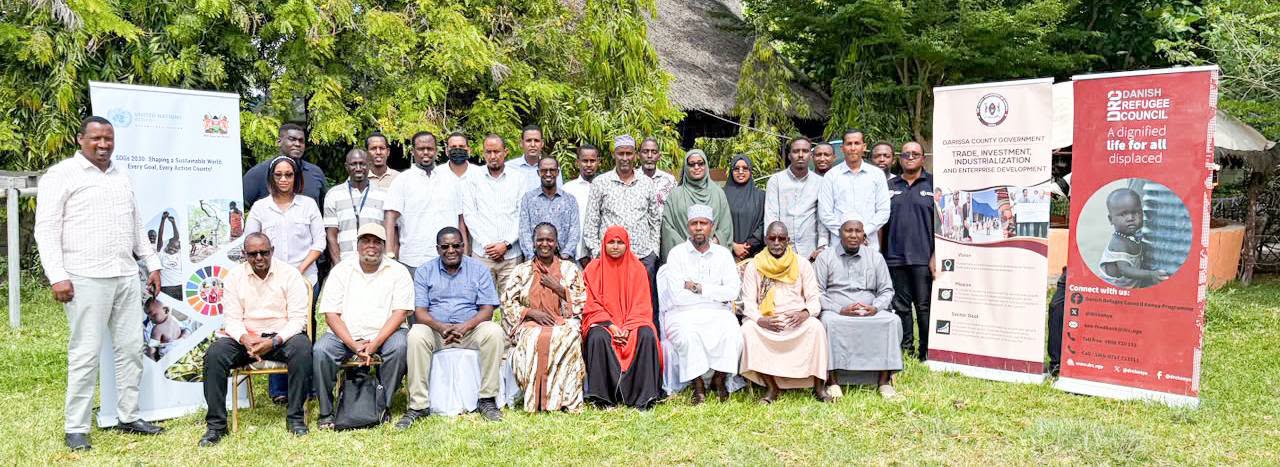
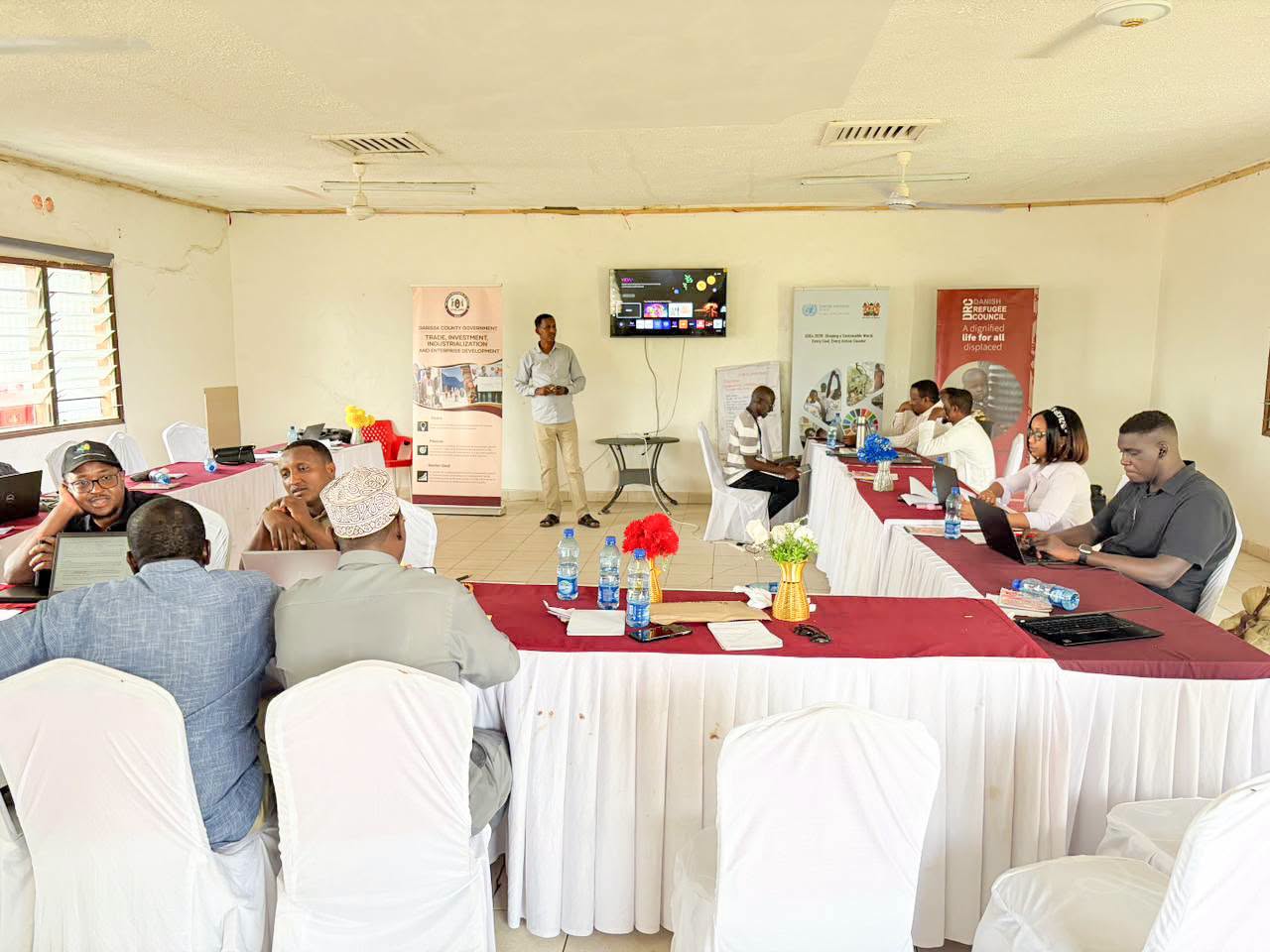
According to an update from the county government, stakeholders meeting in Dadaab for a workshop to develop the policy’s first draft discussed how Garissa can strengthen local investment and make better use of its existing commercial activity.
A central issue was how to attract investors to the new County Aggregation and Industrial Park (CAIP), while encouraging Garissa’s business community to direct more capital towards opportunities within the county.
The discussions highlighted the need to encourage entrepreneurs who invest in Nairobi and other counties to consider expanding their businesses closer to home. The proposed policy aims to support this shift by creating a more supportive environment for enterprise growth and addressing challenges that constrain business activity.
The County Aggregation and Industrial Park is a key focus of the proposed policy, which will guide its operationalisation and support efforts to attract investors.
Stakeholders examined how the facility could be connected to local enterprise development and wider county investment opportunities. These connections are expected to support the policy’s broader objectives of value addition, job creation and stronger links between producers, traders and markets.
By bringing trade and industrial development priorities into a common framework, the county aims to provide clearer direction for investment promotion and business growth.
The policy is also intended to help ensure that new investment opportunities connect with existing economic activity, opening pathways for local businesses to participate in the county’s industrial development.
The workshop also explored the economic potential of the Dadaab Refugee Camp Complex, where substantial business activity presents opportunities for wider trade and investment across Garissa.
Stakeholders discussed ways to encourage refugee entrepreneurs to expand their investments beyond the camp and establish stronger connections with markets in other parts of the county.
The discussions recognised refugee-hosting areas as important centres of economic activity. Linking businesses in these areas with wider county markets is among the opportunities the proposed policy seeks to advance.
The approach would bring local enterprises, refugee-led businesses and new investors into closer commercial relationships, helping strengthen connections between suppliers, traders and customers.
The proposed policy will also support the socio-economic integration of refugees in line with the national Shirika Plan. Within the county’s trade and enterprise development agenda, this will involve identifying opportunities for refugee businesses to participate more broadly in the local economy.
Beyond investment promotion, the policy seeks to address challenges that continue to limit business development across Garissa.
The county government said the framework is intended to provide practical and sustainable guidance for enterprise development, alongside measures to strengthen trade and industrialisation.
Its objectives include creating stronger market connections, expanding opportunities for value addition and supporting employment and household income growth.
Encouraging local reinvestment is a key part of this ambition. By supporting entrepreneurs to identify and pursue opportunities within Garissa, the county hopes to retain more business capital and translate commercial activity into wider economic benefits.
The policy development process therefore brings together several connected priorities: improving conditions for existing businesses, attracting new investors, supporting the industrial park and broadening market access for local and refugee entrepreneurs.
The policy remains under development and will undergo further consultation before it is considered for adoption.
Following preparation of the first draft, stakeholders from different backgrounds across the county will participate in a validation process. Those expected to contribute include Members of the County Assembly and representatives of the business community.
Their input will inform the final document ahead of consideration and adoption by the County Executive, followed by the policy’s eventual launch.
The validation stage will provide an opportunity to assess whether the proposed framework reflects the needs of businesses and the county’s investment and industrial development priorities.
The policy development process is supported by the United Nations Resident Coordinator’s Office (UNRCO), the Danish Refugee Council (DRC) and Prosper Global.
Once finalised and adopted, the policy is intended to guide Garissa’s efforts to turn local enterprise, refugee-led commerce and emerging industrial opportunities into stronger investment, employment and income prospects.