
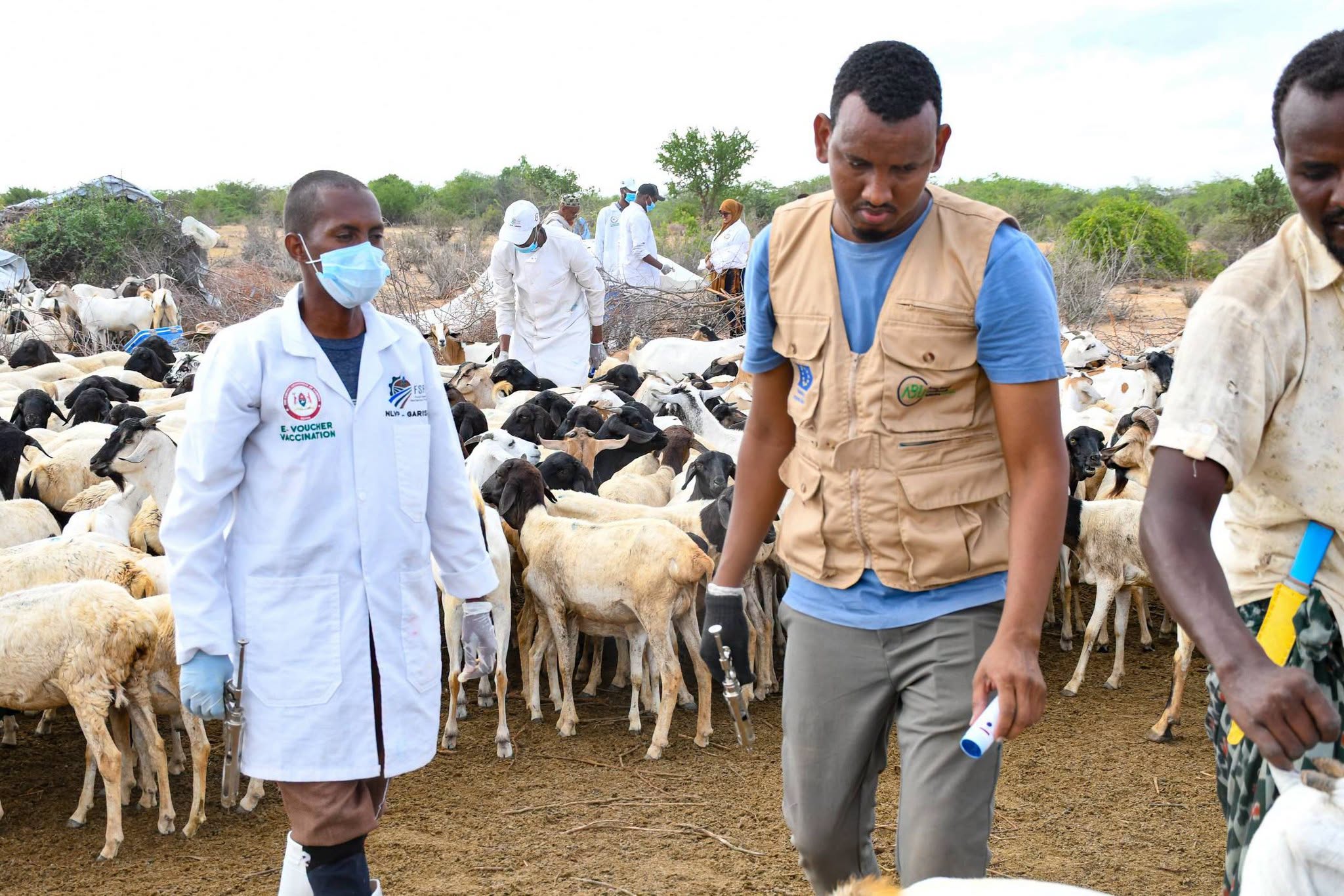
Garissa County has launched a vaccination campaign targeting 60,000 livestock to protect refugee and host community herds across the Dadaab catchment.
Supported by FAO and funded by the European Union, the campaign offers free livestock vaccination, treatment and disease surveillance services.
Veterinary teams and 40 Community Disease Reporters are supporting efforts to safeguard pastoral livelihoods amid rainy-season disease concerns in Dadaab.
The Garissa County Government has launched a livestock vaccination and animal health campaign targeting 60,000 animals across the larger Dadaab refugee complex and surrounding host communities, amid concerns over disease outbreaks during the rainy season.
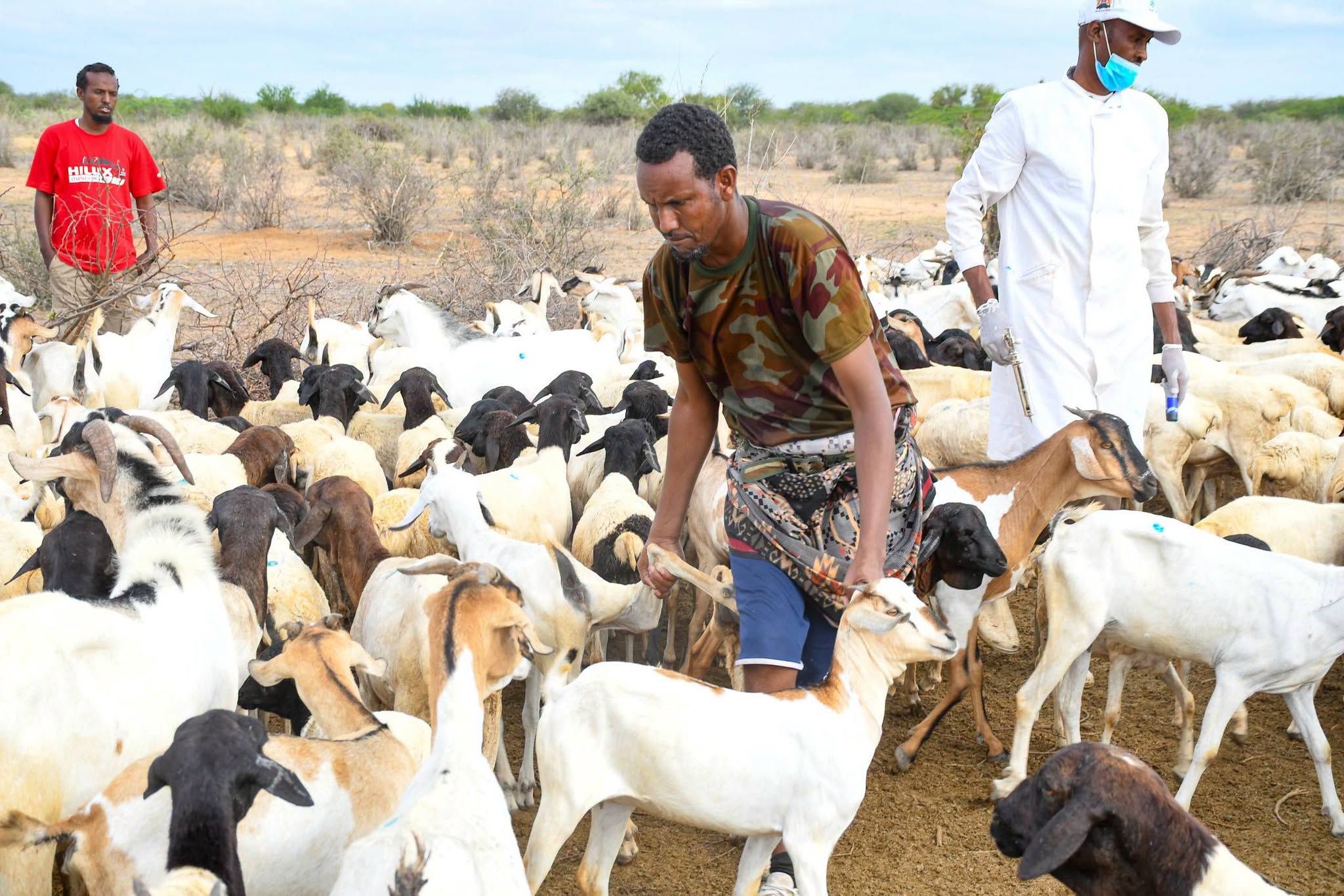
The exercise is being implemented by the county’s Department of Livestock and Veterinary Services in partnership with the Food and Agriculture Organization (FAO), with European Union funding through the Building Refugee Settlements in Kenya project.
It will cover Dagahaley, Ifo and Hagadera refugee settlements, alongside host community areas in Fafi, Jarajila, Labasigale, Damajale and Dadaab wards.
According to the county government, the onset of rains has increased livestock movement and congregation in the targeted areas, with animals arriving from other parts of Garissa and across the border. These movements, combined with reported pockets of disease outbreaks, have prompted the county and its partners to strengthen preventive measures.
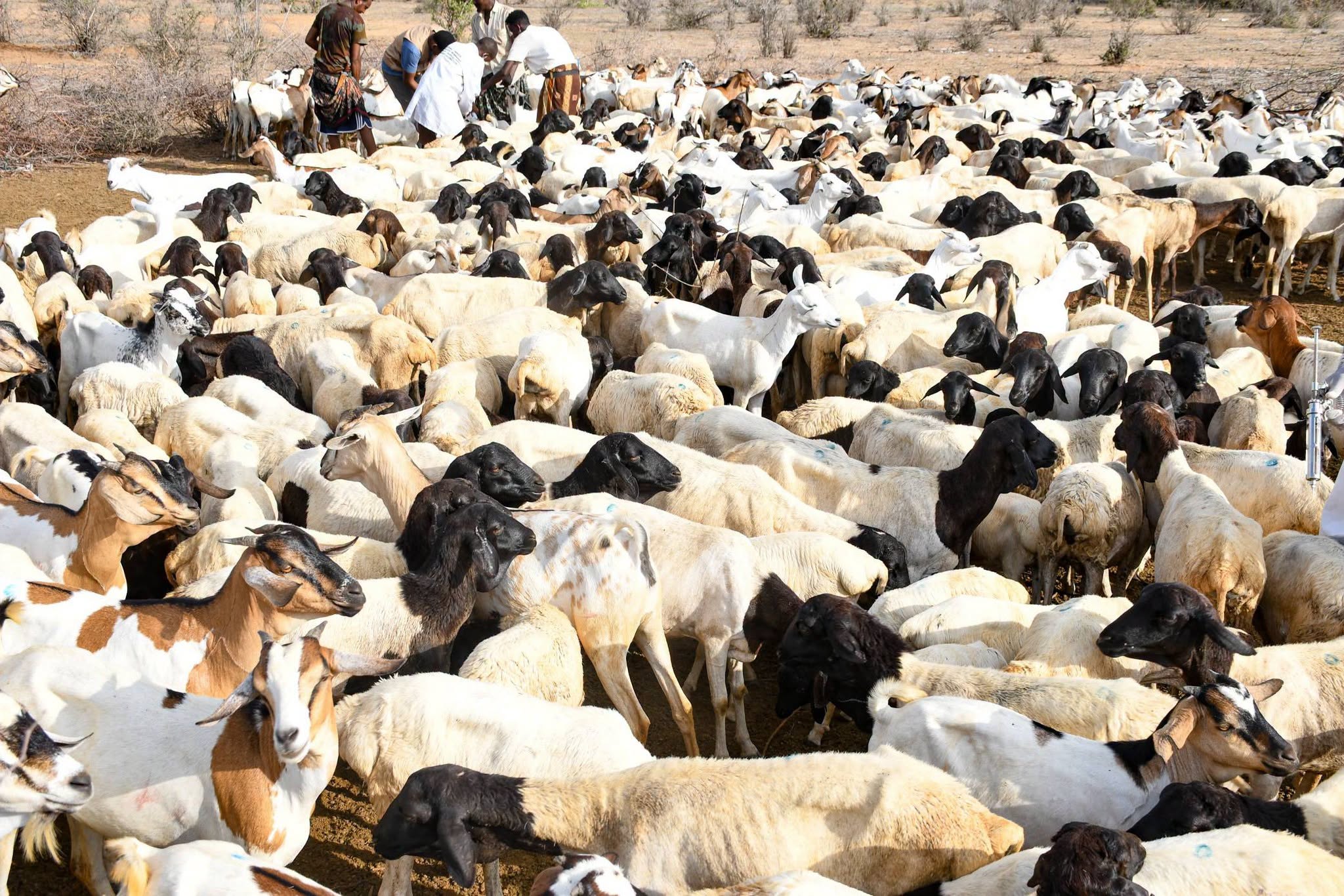
Beyond vaccination, veterinary teams will provide treatment for sick animals, vector control and animal health extension services. Disease surveillance at service sites will also support early detection and response to emerging outbreaks.
Speaking during the launch, County Executive Committee Member for Agriculture and Livestock Milgo Dubow urged livestock keepers to bring their animals forward and take advantage of the free services.
She said timely vaccination and access to veterinary care would help protect herds, safeguard pastoral livelihoods and limit the spread of disease between communities.
For households that depend on livestock for food and income, the campaign addresses fears that an outbreak could destroy their remaining assets.
Among those benefiting is Seinab Siyat Sheikh, a refugee mother whose small herd of goats and sheep has remained a source of support after drought and conflict forced her to leave her home.
“Here everything is uncertain,” she said. “But if disease takes my animals, we have nothing left.”
Her animals provide milk for her children and a financial safety net for the family. During the campaign, veterinary teams vaccinated, dewormed and examined her goats free of charge.
“Now I can sleep,” she said after the animals received care.
The exercise is supported by 40 Community Disease Reporters trained under the EU-funded programme. They are mobilising residents, directing livestock keepers, helping maintain order at vaccination sites and supporting the delivery of services.
Their involvement also strengthens community-level disease reporting, linking pastoral households with veterinary teams and helping identify potential outbreaks early.
Chief Officer for Livestock Ahmed Shidiye, Director of Livestock Services Dr. Haret Hambe, veterinary officers and community representatives attended the launch.
By serving refugee and host community herds through a coordinated campaign, the county government and its partners aim to reduce disease transmission, protect livestock assets and strengthen the resilience of pastoral households across the Dadaab catchment.