
The World Food Programme (WFP) has warned that disruptions to three major global trade routes are driving up food, fuel and fertiliser costs, threatening food security and pastoral livelihoods across the Horn of Africa.
Rising food prices and agricultural input costs are placing additional pressure on pastoral communities in Kenya, Somalia and Ethiopia, where recurrent droughts, livestock losses and dependence on imported food continue to undermine household resilience.
WFP warns that rising humanitarian operational costs could put food assistance for 7.3 million people at risk by mid-2027, highlighting growing challenges for vulnerable households facing acute hunger across the Horn of Africa.
Disruptions to major global trade routes are driving up food, fuel and fertiliser costs, raising concerns over food security and the livelihoods of vulnerable communities across the Horn of Africa, particularly pastoral households in arid and semi-arid lands (ASALs).
The World Food Programme (WFP) has warned that disruptions affecting three strategic global trade routes – the Strait of Hormuz, the Bab-el-Mandeb Strait and the Black Sea – are disrupting the movement of essential food commodities, agricultural inputs and energy supplies, with far-reaching consequences for countries that depend heavily on imported food.
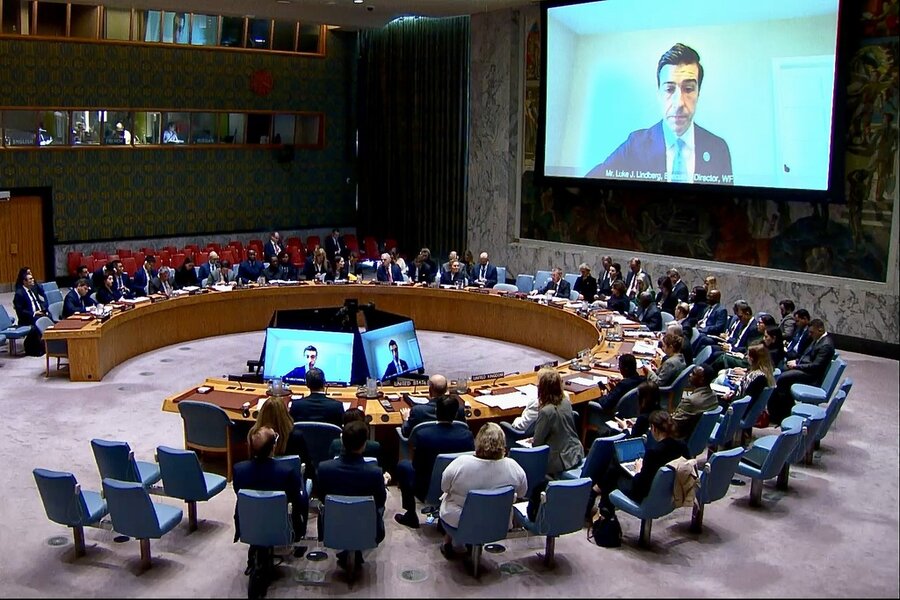
Addressing the United Nations Security Council in New York on November 23, WFP Executive Director Luke J. Lindberg cautioned that the combined effects of trade disruptions, escalating conflicts and climate shocks are increasing the cost of food production and humanitarian assistance at a time when millions of people are already struggling with hunger.
Lindberg described the situation as a "triple chokepoint", warning that restrictions and insecurity along the critical shipping corridors are tightening global food supply chains and making essential agricultural inputs more expensive.
For pastoral communities across the Horn of Africa, where recurrent droughts, livestock losses and limited economic opportunities already threaten household resilience, rising food prices and disruptions to agricultural supply chains could further intensify existing vulnerabilities.
Global Trade Disruptions and Rising Food Prices
The three affected trade routes play a significant role in the movement of food and agricultural commodities across international markets.
The Black Sea is a major source of grain for several food-importing countries, including Somalia and Yemen, while approximately 30 per cent of global fertiliser supplies pass through the Strait of Hormuz.
According to WFP, the Food and Agriculture Organization's Food Price Index reached a near four-year high in September, while wheat prices were almost 10 per cent higher than in January.
These developments have implications for countries that rely on imported food to meet domestic demand.
In the Horn of Africa, where many households have limited purchasing power and depend on markets for essential food supplies, increases in international commodity and transport costs can quickly translate into higher retail prices.
For pastoralist families, this means spending more on basic household food requirements at a time when their traditional sources of income may already be under pressure from drought, livestock diseases and reduced access to grazing resources.
Pastoral Livelihoods Face Additional Pressure
Pastoralism remains a major source of livelihood for communities across the Horn of Africa, particularly in the ASAL regions of Kenya, Somalia and Ethiopia.
Livestock provides households with food, income, savings and a means of coping with economic shocks. However, recurrent droughts and changing climatic conditions have increasingly affected pasture availability, water resources and livestock productivity.
When drought weakens livestock herds, pastoral households often become more dependent on markets to purchase food and other essential commodities.
Consequently, rising food prices can worsen their vulnerability, particularly among families that have lost animals or experienced reduced income from livestock sales.
The increasing cost of agricultural inputs also presents a challenge to communities pursuing alternative livelihood activities such as crop farming, fodder production and small-scale agriculture.
Higher fertiliser prices and possible shortages could raise production costs, discourage investment in farming and affect future harvests.
WFP has warned that disruptions are coinciding with planting seasons in parts of Africa and Asia, increasing the risk that expensive or unavailable agricultural inputs could reduce future crop yields.
For ASAL communities investing in livelihood diversification, these developments highlight the importance of affordable agricultural inputs, reliable supply chains and climate-resilient production systems.
Somalia and the Wider Horn of Africa at Risk
The effects of global supply chain disruptions are particularly concerning for countries that depend heavily on imported food.
Somalia is among the countries facing significant exposure to international food market fluctuations. Its reliance on imported grain means disruptions to major shipping routes can have direct implications for food availability and affordability.
WFP Executive Director Luke J. Lindberg highlighted the contradiction between food availability and access, noting that grain supplies remain available in some parts of the world but are not reaching populations facing the greatest hunger risks.
He pointed to the Black Sea region, where grain supplies in countries such as Ukraine and Poland remain available despite growing food needs in vulnerable importing countries.
By mid-October, the number of wheat and maize vessels moving through the Bosphorus, a key maritime gateway for Black Sea grain, had declined by 63 per cent compared with the same period in 2025.
WFP estimates that around 10 million tonnes of Russian and Ukrainian wheat could consequently fail to reach global markets, representing enough grain to feed approximately 44 million people.
The situation is further complicated by insecurity along shipping routes, with more than 300 attacks recorded this year and at least 40 people killed, according to Lindberg's briefing to the Security Council.
For countries such as Somalia, which rely on imported food to support household consumption, sustained disruptions could increase pressure on already vulnerable populations.
Rising Costs Threaten Humanitarian Assistance
Beyond the impact on households, increasing global commodity, fuel and transportation costs are also putting pressure on humanitarian organisations delivering food assistance.
WFP, which operates one of the world's largest humanitarian supply chains, warned that rising operational expenses are reducing its ability to reach people facing acute hunger.
The agency estimates that if current conditions persist, it could incur an additional US$727 million in costs by mid-2027, potentially putting food assistance for 7.3 million people at risk.
These pressures come at a time when approximately 266 million people globally are already facing acute hunger, with famine risks reported in parts of Sudan, South Sudan and Somalia.
For vulnerable pastoral communities, humanitarian assistance often provides an essential lifeline during prolonged droughts, displacement and other emergencies.
Any reduction in food assistance could leave more households struggling to meet their basic needs, particularly families that have lost livestock and have limited alternative sources of income.
Lindberg warned that increasing transport and commodity costs were taking resources directly away from humanitarian operations, translating into less food reaching fewer families.
The Need to Protect Food Supplies and Strengthen Resilience
Addressing the UN Security Council, Lindberg called for urgent action to restore the movement of food commodities through critical trade routes and ensure that humanitarian supplies reach populations facing the greatest needs.
He also called on Member States to commit to three key principles: ending famine, preventing the weaponisation of food and stopping attacks on humanitarian workers.
WFP further indicated its readiness to facilitate humanitarian grain shipments from both Russia and Ukraine to support the movement of essential food supplies to vulnerable populations.
For the Horn of Africa, addressing the immediate effects of global supply chain disruptions must go hand in hand with longer-term investments in food systems and livelihood resilience.
Strengthening local food production, improving water access, supporting livestock health, investing in fodder production and expanding climate-resilient livelihood opportunities can help reduce the vulnerability of pastoral communities to external market shocks.
There is also a need to strengthen early warning systems, social protection programmes and market monitoring to enable governments and humanitarian partners to respond before rising food prices translate into deeper household food insecurity.
As global trade uncertainties continue to affect food and agricultural supply chains, pastoral communities across the Horn of Africa face the challenge of navigating both local climate pressures and international economic shocks.
The warning from WFP highlights the interconnected nature of global food systems and local livelihoods, demonstrating how disruptions thousands of kilometres away can affect the cost of food, agricultural production and humanitarian assistance in some of the world's most vulnerable regions.
For pastoral households in the ASALs, protecting livelihoods will require coordinated action that addresses immediate food needs while strengthening the resilience of communities to future droughts, market disruptions and climate-related shocks.