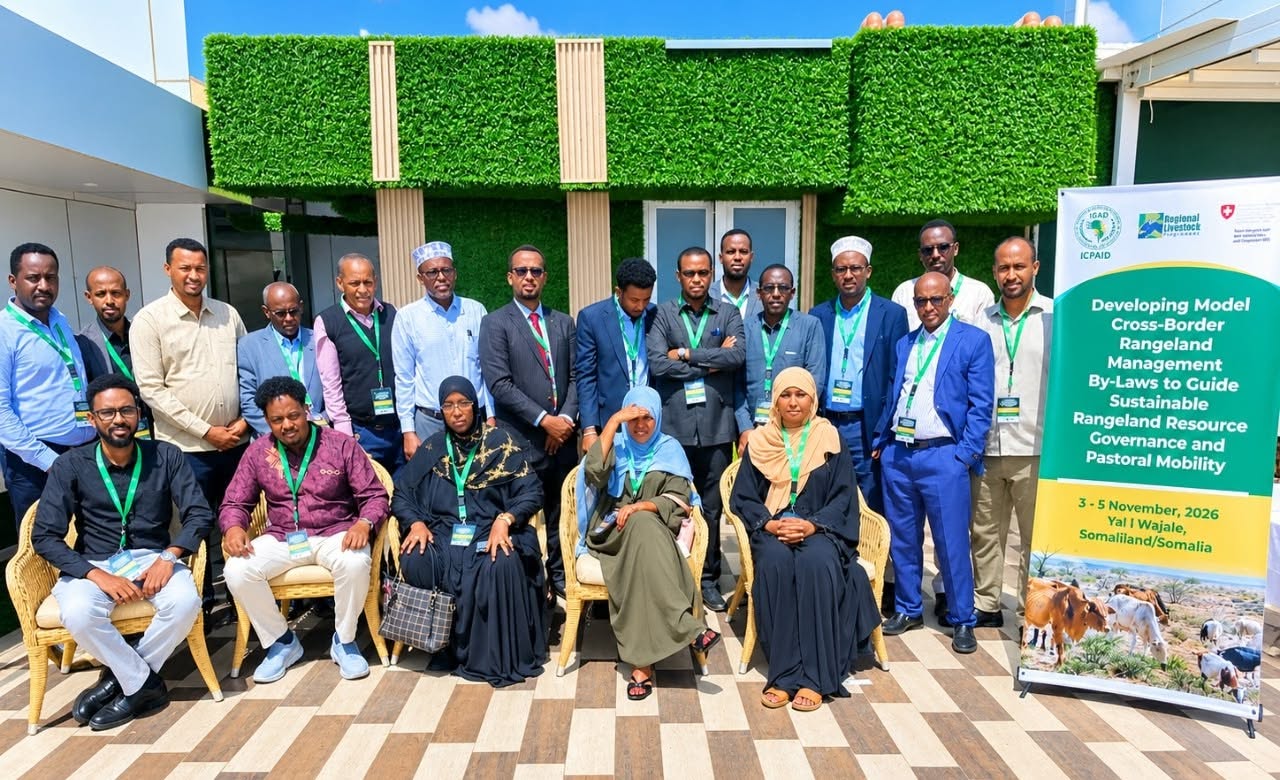
ICPALD is leading the drafting of model rangeland management by-laws to strengthen shared resource access along the Ethiopia–Somalia Tog Wajaale corridor.
The proposed by-laws aim to clarify pasture and water access, support safe livestock movement and improve coordination between customary leaders and local authorities.
Funded by Swiss development cooperation, the initiative seeks to align community governance practices with national laws and the IGAD Transhumance Protocol.
The IGAD Centre for Pastoral Areas and Livestock Development (ICPALD) is convening a drafting workshop to develop model cross-border rangeland management by-laws for the Tog Wajaale corridor between Ethiopia and Somalia.
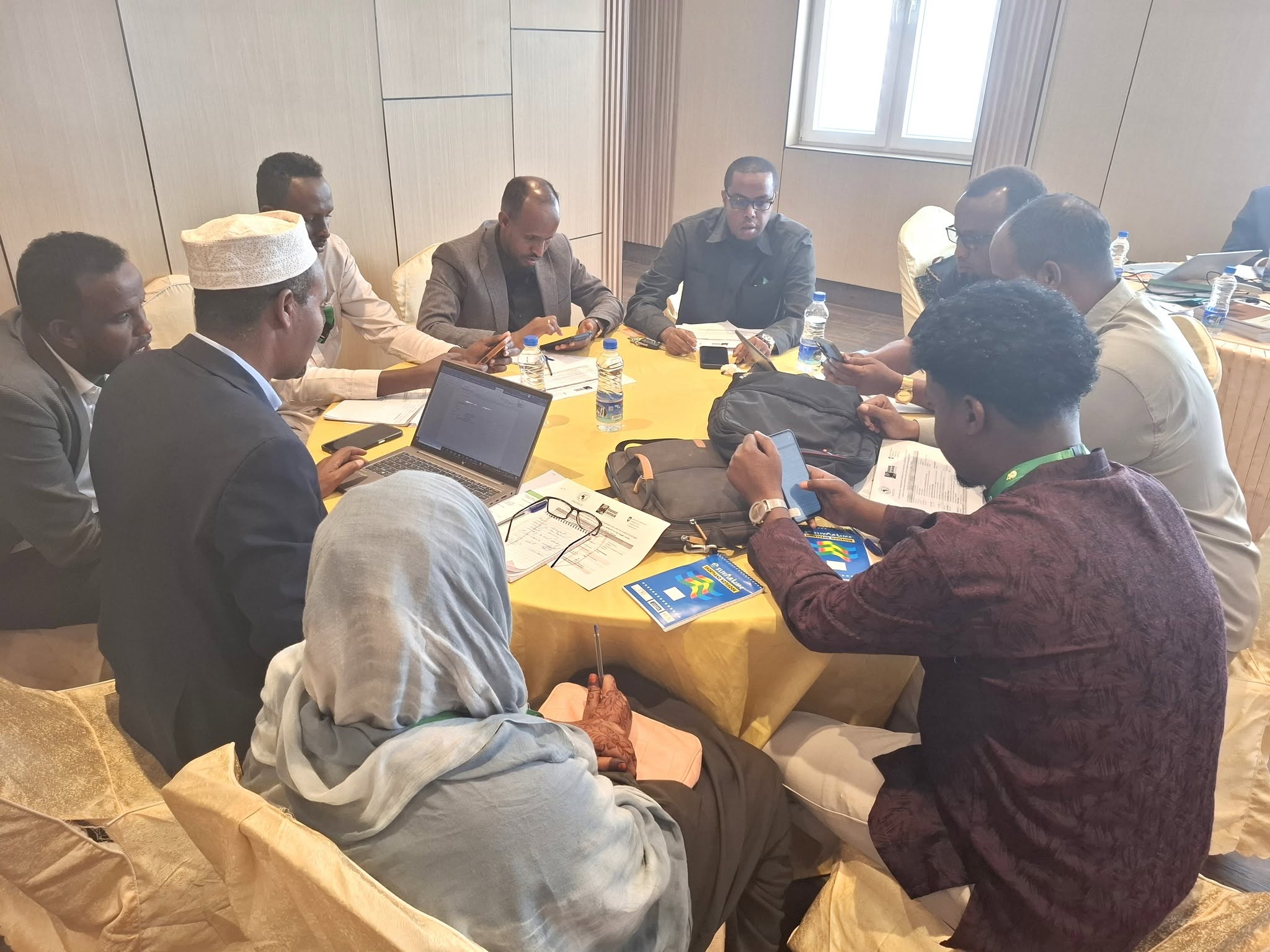
The initiative seeks to strengthen the management of shared grazing areas and water resources by linking customary governance systems with formal institutions. It also aims to establish clearer arrangements for livestock movement and cooperation between communities across the border.
Funded by the Swiss Agency for Development and Cooperation through the Horn of Africa Regional Livestock Program, the process draws on community experience to develop rules that reflect local pastoral practices while aligning with national laws and the IGAD Transhumance Protocol.
A central objective of the proposed by-laws is to make access to shared resources more predictable. The rules would clarify who can use communal pasture and water, when access is permitted and how those resources should be managed.
The drafting process also addresses seasonal and drought-related livestock movement. By harmonising rules across the corridor, the initiative aims to support safer pastoral mobility and improve coordination over access to grazing and water.
Joint governance is another key element. The proposed framework would connect customary leaders with local authorities, enabling them to coordinate resource access and address disputes through agreed arrangements.
This approach recognises the role of community institutions in managing pastoral resources while seeking stronger links with formal administrative and legal systems. Bringing these systems together is intended to support more consistent decisions across the border.
According to ICPALD, grounding the by-laws in community experience will help align local governance practices with wider national and regional frameworks. The IGAD Transhumance Protocol provides a regional reference for the initiative’s focus on pastoral mobility and cross-border cooperation.
The by-laws remain under development. The workshop is intended to produce a model framework for managing shared rangelands, with predictable resource access, safe livestock movement and coordinated dispute resolution at its centre.