
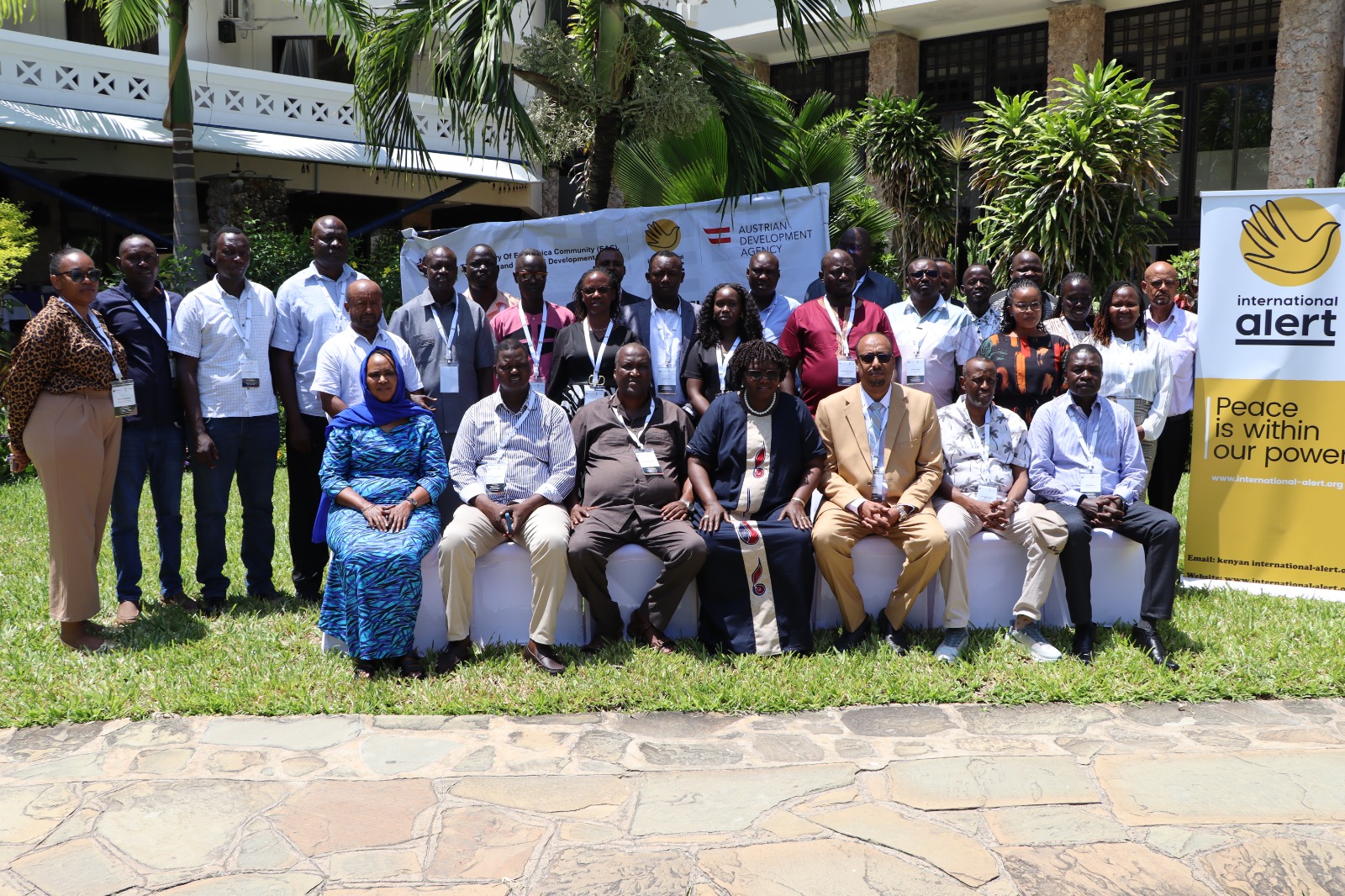
Kenya and Ethiopia are strengthening cross-border cooperation to address insecurity, climate challenges and resource conflicts in the Turkana–South Omo borderlands through sustainable development and inclusive peacebuilding.
Leaders from Kenya and Ethiopia have called for stronger institutions, shared economic opportunities and infrastructure investment to promote lasting peace and improve livelihoods in border communities.
A high-level roundtable in Mombasa is seeking practical solutions to cross-border conflicts, with priorities including resource sharing, women's participation, climate resilience and regional economic integration.
Kenya and Ethiopia are stepping up efforts to address insecurity and strengthen cross-border cooperation in the Turkana–South Omo borderlands, with leaders from both countries calling for a development-driven approach to achieving sustainable peace.
The call emerged during the two-day Kenya–Ethiopia High-Level Policy, Learning and Action Roundtable held in Mombasa from November 17–18, 2026, which brought together government representatives, parliamentarians, peacebuilding actors, community representatives and development partners to explore the intersection of gender, climate change and conflict in the border region.
Convened by International Alert in partnership with the Turkana Pastoralist Development Organization (TUPADO) and the Ethiopian Institute of Peace, the meeting focused on translating existing peace commitments into practical interventions that address the underlying causes of conflict while strengthening economic opportunities for communities on both sides of the border.
Participants observed that lasting peace in the borderlands cannot be achieved through security interventions alone, noting that competition over water and pasture, climate pressures, insecurity and limited economic opportunities continue to affect communities whose livelihoods and social connections transcend national boundaries.
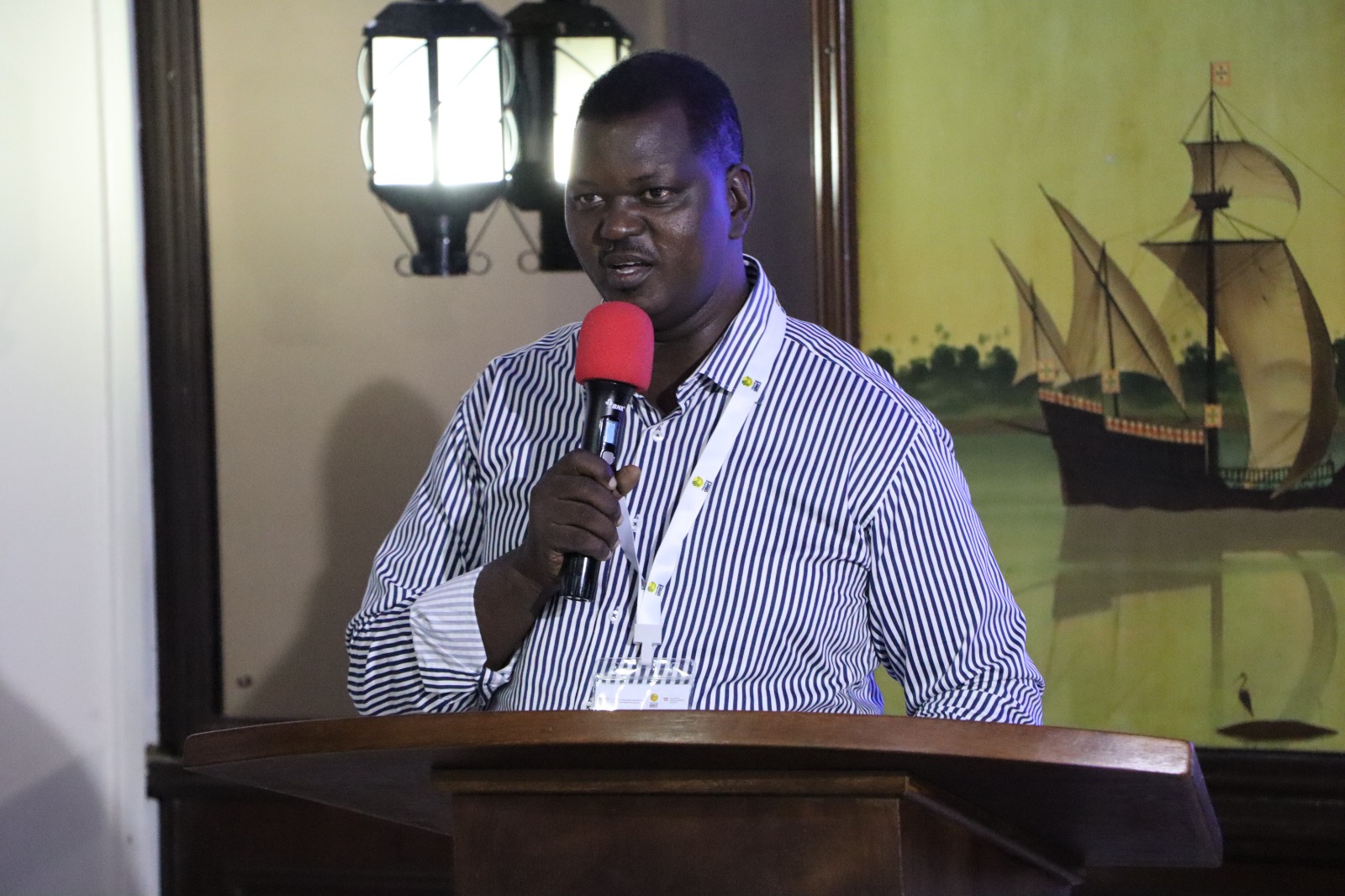
Turkana County Government County Secretary, Ambassador Dr. Richard Ekai, emphasised the need to integrate economic empowerment and livelihood protection into peacebuilding initiatives, arguing that communities must benefit directly from cross-border interventions.
His sentiments were echoed by Turkana North Member of Parliament, Hon. Ekwom Nabuin, who called for stronger resource-sharing arrangements, accessible markets and infrastructure development to support communities whose livelihoods depend on shared natural resources.
Chairman of the Foreign Relations and Peace Affairs Standing Committee, Dr. Fathe Mihadi Fatahi, underscored the importance of strengthening institutional and policy alignment between Kenya and Ethiopia. He called for locally negotiated peace agreements to be integrated into national government frameworks, planning and budgetary priorities to ensure effective implementation.
Similarly, Mandera North MP and Vice Chair of the Foreign Relations Committee, Hon. Maj. (Rtd) Bashir Abdullahi, called for a shift in how countries approach shared borders, advocating for collaboration rather than division.
He observed that communities living along the border share longstanding cultural and social connections, making cooperation in security, defence and development essential to sustainable peace.
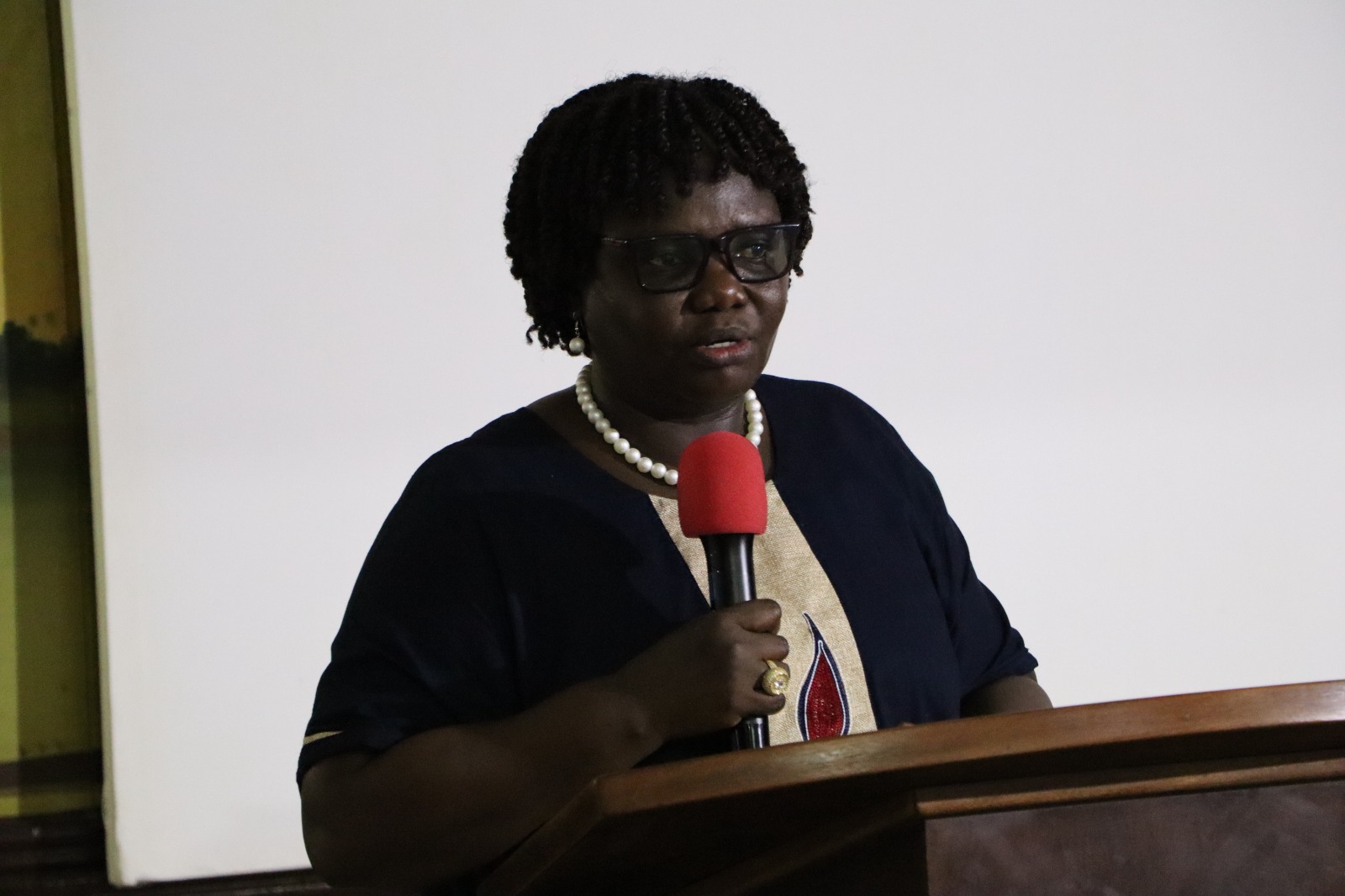
The discussions also highlighted the need to strengthen women's participation in peacebuilding and decision-making structures. Participants called for women to have meaningful representation in leadership positions, particularly given the disproportionate effects of climate change, insecurity and competition over natural resources on women and girls.
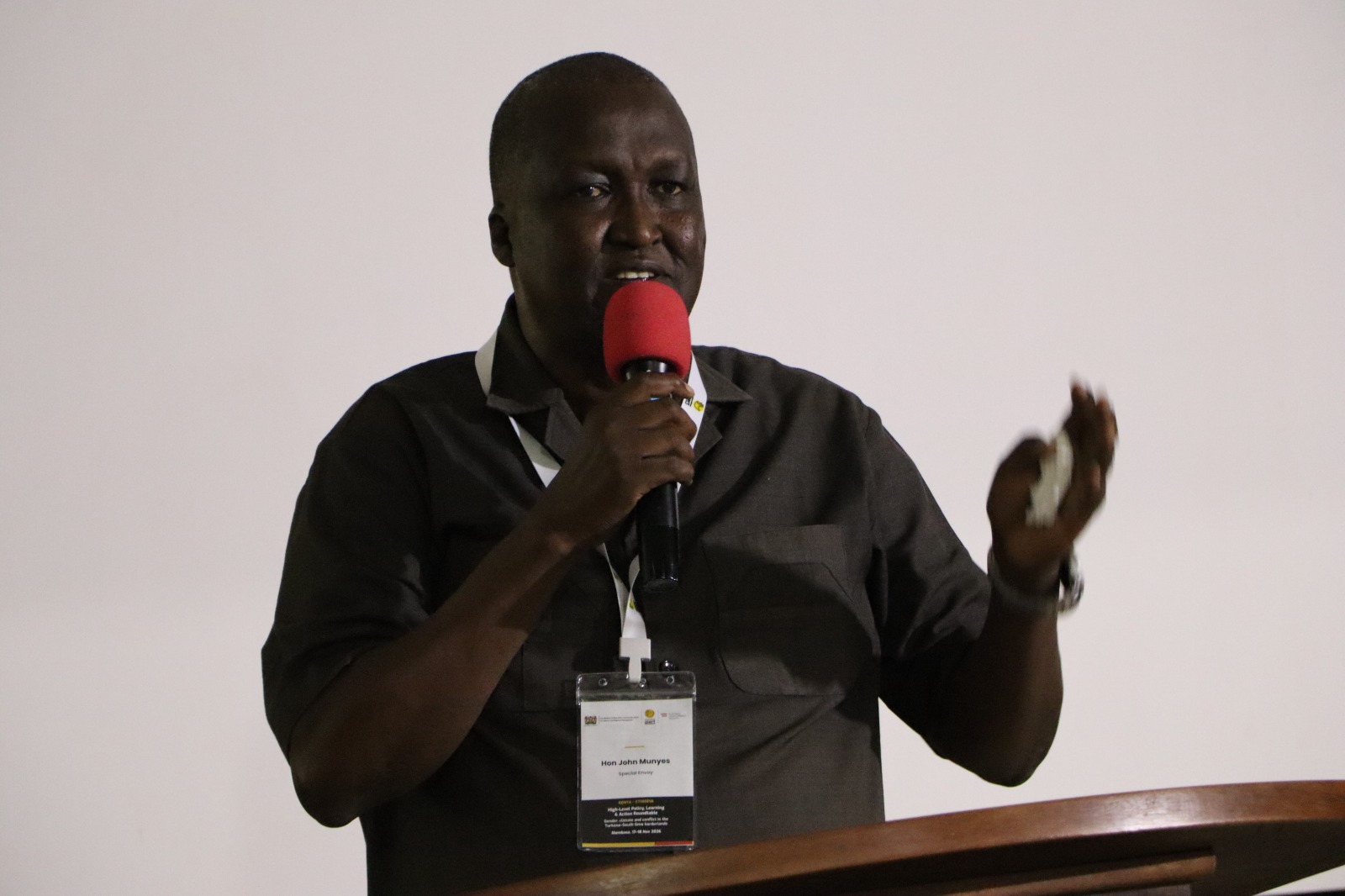
Special Peace Envoy for the Ateker Region, Hon. John Munyes, urged leaders to move beyond dialogue and prioritise practical interventions that would unlock the economic potential of the Turkana–South Omo borderlands.
Among the proposed priorities were infrastructure development, the proposed Kibish Bridge, livestock and fish markets, and stronger economic linkages between communities in the two countries. He noted that the region should be recognised not only for its history of insecurity but also for its potential as a centre of cross-border trade and economic opportunity.
In her keynote address, Cabinet Secretary for East African Community, the ASALs and Regional Development, Hon. Beatrice Askul, highlighted the challenges facing communities in southern Turkana and South Omo, including long distances travelled by women to access essential services and the growing pressures of climate change and conflict.
She noted that the Ministry is developing a Cross-Border Peace Strategy and Framework to strengthen coordination and establish a more structured approach to peacebuilding across Kenya's border regions.
The Cabinet Secretary called on participants to ensure that the Mombasa roundtable translates into concrete action, rather than becoming another forum for discussions without implementation.
Over the two days, participants examined existing commitments, identified implementation gaps and worked towards developing a practical action matrix outlining priority interventions, responsible institutions, timelines and the resources required.
The proposed framework is expected to strengthen institutional ownership, improve coordination between the two governments and ensure that community-level peace agreements receive the necessary policy and financial support.
The roundtable reinforced the need for a comprehensive approach to peacebuilding that connects security cooperation with economic development, climate resilience, infrastructure investment and inclusive governance.
For communities in Turkana and South Omo, sustainable peace goes beyond the absence of conflict. It means reliable access to water and pasture, opportunities to trade across borders, improved livelihoods, meaningful participation in decisions affecting their lives and the ability to raise families in safe and secure environments.
As Kenya and Ethiopia strengthen their cooperation, the success of the initiative will ultimately depend on the commitment of both governments and their partners to translate policy agreements into tangible improvements in the lives of borderland communities.