
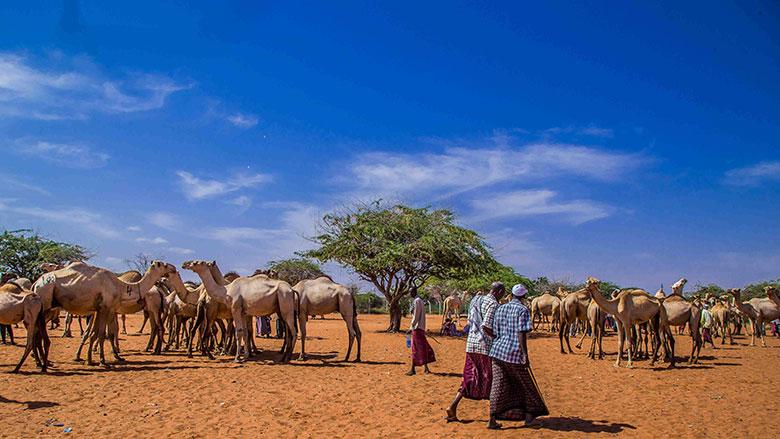
The Government is strengthening pastoralist resilience through livestock insurance, helping households protect their animals and livelihoods against drought-related losses.
More than 245,000 pastoralists have accessed livestock insurance and savings incentives under the DRIVE programme, safeguarding over 3.3 million animals.
The initiative forms part of broader efforts to strengthen financial inclusion, protect household assets and improve the resilience of pastoral communities.
Kenya is strengthening efforts to protect pastoralist livelihoods against drought through livestock insurance and savings incentives, with more than 245,000 pastoralists already benefiting under the De-risking, Inclusion and Value Enhancement of Pastoral Economies (DRIVE) programme.
President William Ruto said the initiative has helped protect more than 3.3 million animals, providing an important layer of financial protection for households whose livelihoods depend heavily on livestock.
Addressing Parliament during the State of the Nation Address on November 18, 2026, the President underscored the importance of protecting livestock as a critical household asset, particularly in communities where cattle, goats, sheep and camels form the foundation of economic activity.
“For pastoral communities, livestock insurance is protecting household assets against drought,” President Ruto said.
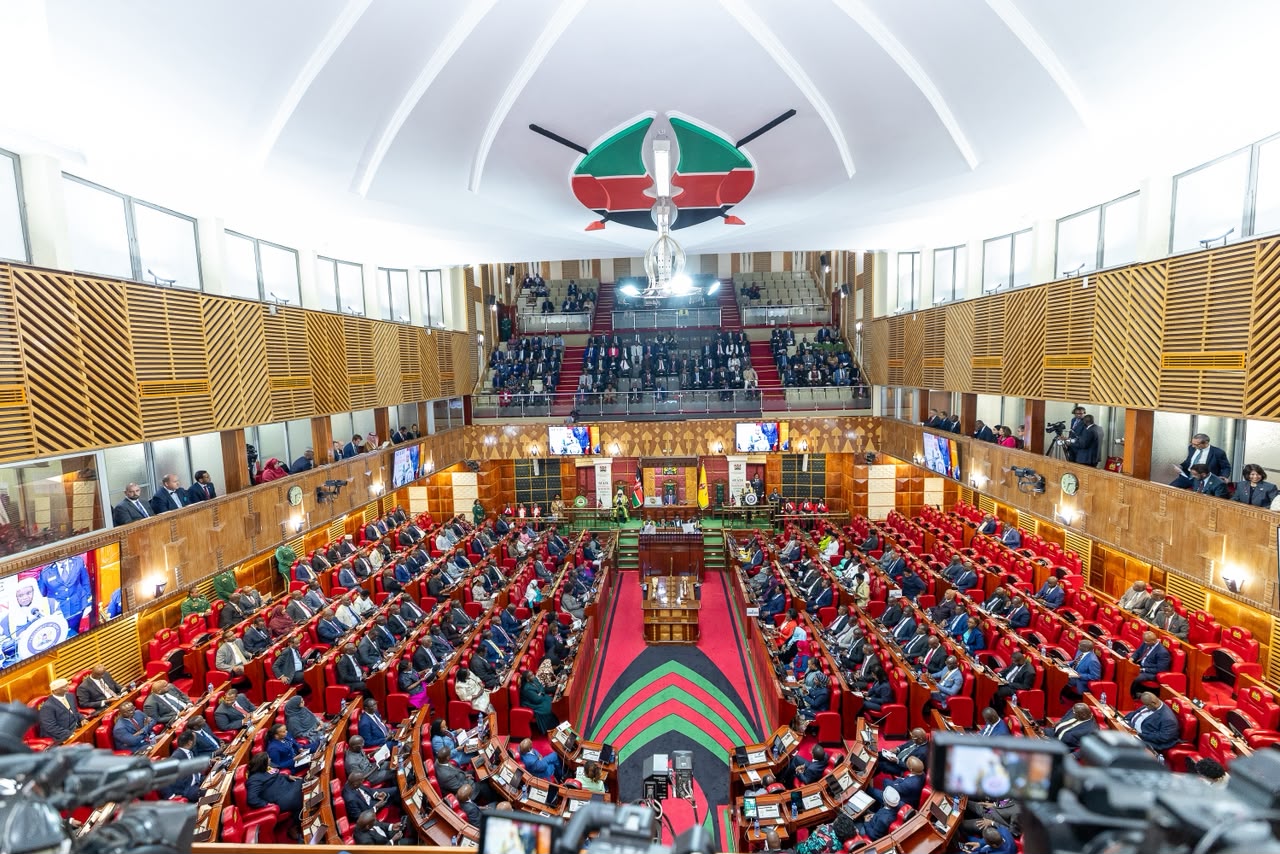
The statement highlights the importance of financial protection in pastoral economies, where prolonged dry spells can lead to livestock deaths, loss of household income and increased vulnerability among families.
For pastoralist households, livestock represents more than an economic asset. Animals provide food, income, savings and a means of meeting essential family needs, including education, healthcare and other household expenses. When drought reduces pasture and water availability, the resulting livestock losses can undermine years of household investment.
Through livestock insurance, pastoralists can access a financial safety net against climate-related shocks. The savings incentives under DRIVE also support a stronger culture of financial preparedness, helping participating households strengthen their capacity to manage economic uncertainty.
The reported reach of more than 245,000 pastoralists and protection of over 3.3 million animals demonstrates the scale of the intervention as presented in the presidential address.
The programme also reflects a broader national effort to strengthen agricultural livelihoods by supporting producers in different parts of the country, including pastoralist and fishing communities in arid and semi-arid regions.
In paragraph 128 of the address, President Ruto said the Government was applying an inclusive approach to agriculture, with interventions reaching smallholder farmers, pastoralists and fishing communities in ASAL regions alongside producers in traditional agricultural areas.
The expansion of risk-management mechanisms such as livestock insurance is therefore an important part of strengthening pastoralist resilience. By protecting household assets, such interventions can help communities recover from drought-related shocks and sustain their participation in the livestock economy.
As climate-related pressures continue to affect pastoral production systems, the long-term priority will be to complement insurance and savings with reliable water access, improved livestock services, market infrastructure and sustainable livelihood opportunities.