
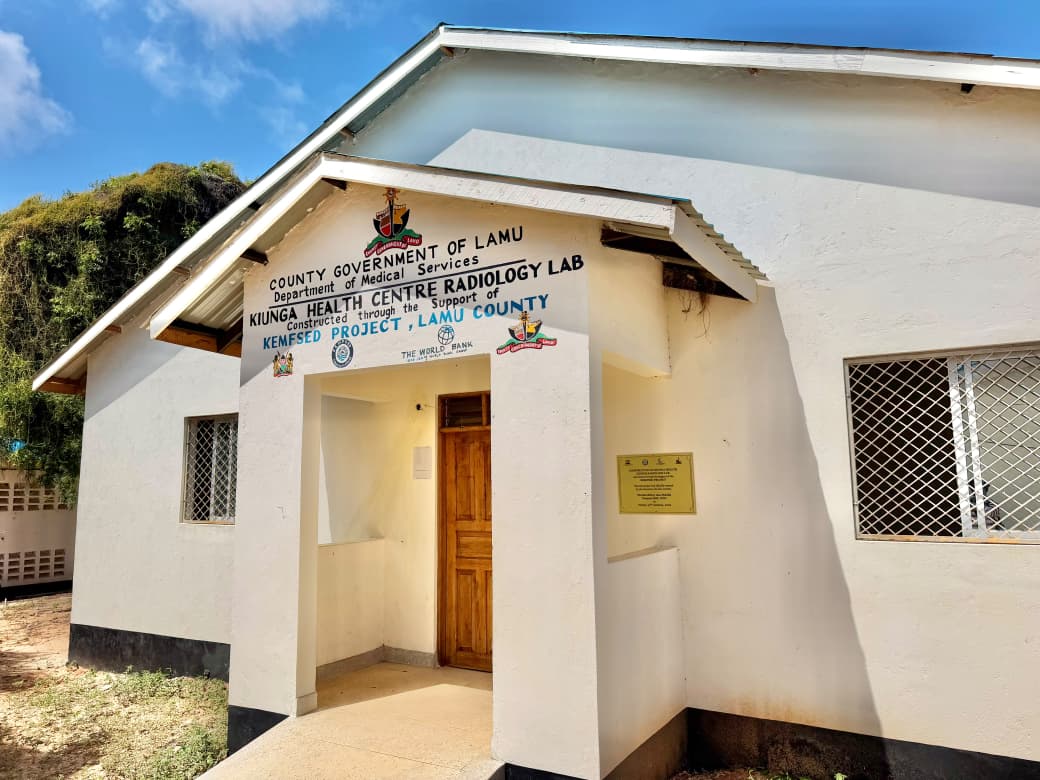
Lamu County is nearing completion of an operating theatre at Kiunga Health Centre, a development expected to improve access to surgical and emergency obstetric services in remote communities along the Kenya–Somalia border.
The nearly completed Kiunga operating theatre is expected to reduce long-distance medical referrals, strengthen emergency healthcare and support Lamu County's plans to upgrade the health centre to Level 4 status.
Lamu County is integrating solar energy into the new Kiunga operating theatre to strengthen healthcare reliability, promote climate resilience and improve access to essential medical services for border communities.
Lamu County is moving closer to expanding access to specialised healthcare services in its remote border communities as construction of an operating theatre at Kiunga Health Centre in Lamu East Sub-County nears completion.
The facility is expected to strengthen the provision of surgical and emergency obstetric services, potentially reducing the long distances patients currently travel to access specialised medical care.
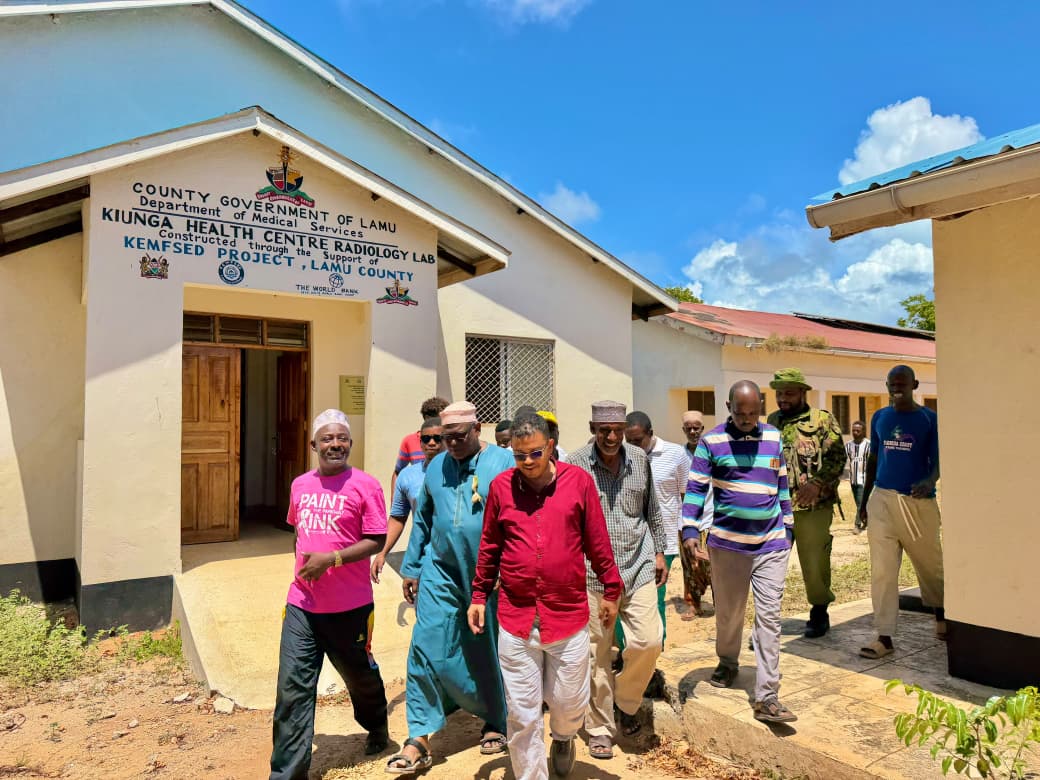
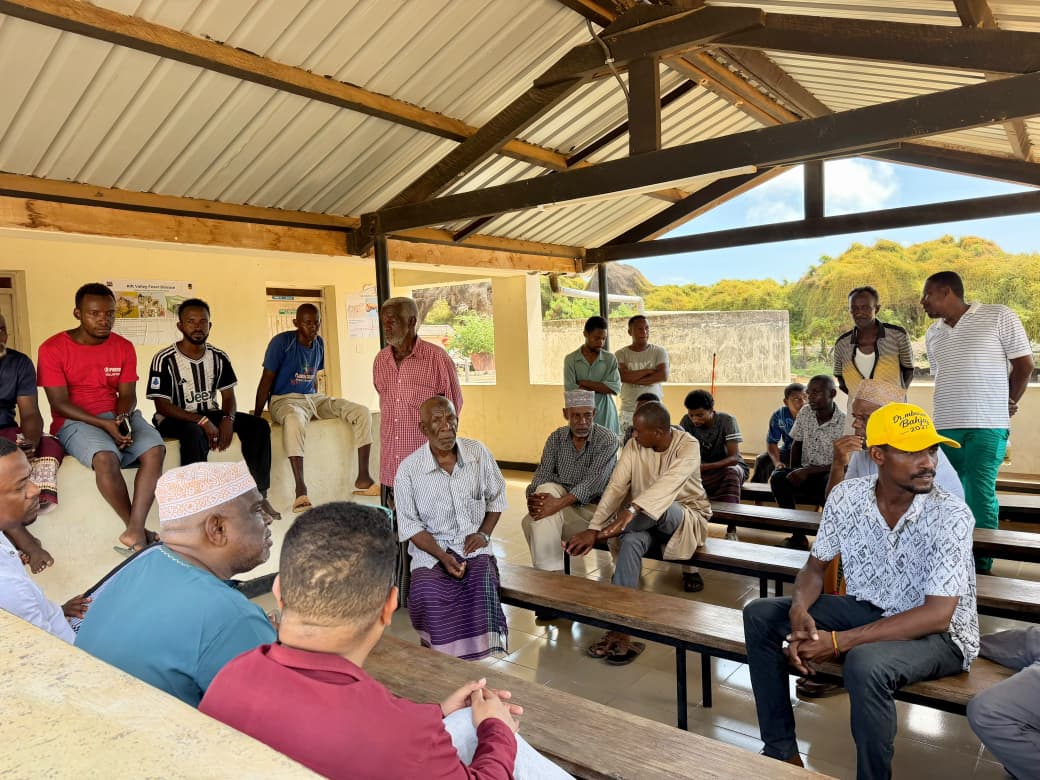
The County Government of Lamu announced the progress following an inspection conducted on October 25, 2026, by Deputy Governor and County Executive Committee Member for Health, Dr. Mbarak, accompanied by Shee Kupi Shee, Director of Peacebuilding and Disaster Management, alongside other county officials and local stakeholders.
During the visit, the delegation assessed the progress of construction and discussed the remaining requirements before the theatre can become operational, including medical equipment, qualified healthcare personnel and compliance with applicable health standards.
According to the county government, the project forms part of broader efforts to improve healthcare access in underserved communities, particularly those living along the Kenya–Somalia border, where geographical isolation and infrastructure limitations can complicate access to emergency medical services.
Operating Theatre Expected to Improve Emergency Healthcare
The nearly completed operating theatre is expected to expand Kiunga Health Centre's capacity to provide essential surgical interventions and emergency obstetric care once it is fully equipped, staffed and authorised to operate.
For residents of Kiunga and surrounding communities, access to specialised healthcare has remained challenging because of the distances involved in reaching facilities with advanced medical capabilities.
Patients requiring emergency surgical procedures or specialised maternal healthcare may need to travel considerable distances, potentially delaying treatment and increasing the financial burden on families.
The new theatre is intended to address some of these challenges by bringing critical medical services closer to communities that have historically faced barriers to healthcare access.
Speaking during the inspection, Deputy Governor Dr. Mbarak described the development as an important milestone in the county's efforts to strengthen healthcare infrastructure in remote areas.
"For the people of Kiunga, this theatre represents hope, dignity and improved access to lifesaving healthcare. Our vision goes beyond completing the construction. We want to ensure that this facility is properly equipped, adequately staffed and prepared to provide reliable, quality services to the community," Dr. Mbarak said.
He emphasised that the county government is prioritising not only the completion of the physical infrastructure but also the operational requirements necessary to deliver safe and effective healthcare services.
"This investment will help reduce the burden on families who currently face long and difficult journeys to access specialised medical care," he added.
The county government expects the facility to strengthen local emergency response capacity and improve the availability of essential healthcare services in Lamu East.
Lamu County Plans to Upgrade Kiunga Health Centre to Level 4
Beyond the operating theatre, the county government has outlined plans to progressively upgrade Kiunga Health Centre into a Level 4 health facility.
The proposed upgrade would expand the range of medical services available to residents and strengthen the facility's capacity to handle more complex healthcare needs.
According to Dr. Mbarak, the transition will depend on meeting the necessary infrastructure, staffing, equipment and regulatory requirements.
A Level 4 facility generally provides a broader range of medical services than a basic health centre, including inpatient care, laboratory services, maternity care and selected surgical services, depending on its capacity and approved service level.
For Kiunga, such an upgrade could reduce reliance on distant referral facilities and improve access to medical care for communities along the Kenya–Somalia border.
The county government views the planned expansion as an important step towards addressing healthcare inequalities between urban centres and geographically isolated communities.
However, officials acknowledged that the proposed upgrade will require additional investments beyond the completion of the operating theatre.
These include the recruitment or deployment of qualified medical personnel, procurement of specialised equipment and strengthening of supporting healthcare infrastructure.
The county has not announced a specific timeline for the proposed Level 4 upgrade.
Solar-Powered Theatre to Strengthen Healthcare Reliability
One of the project's notable features is the integration of solar energy into the operating theatre's power supply system.
The county government has identified solarisation as an important component of developing climate-resilient healthcare infrastructure in remote areas where dependable electricity can be difficult to maintain.
Operating theatres require reliable power for surgical lighting, medical equipment, patient monitoring and other critical functions.
Interruptions in electricity supply can compromise service delivery and create additional risks during medical emergencies.
According to Shee Kupi Shee, Director of Peacebuilding and Disaster Management, the use of renewable energy demonstrates how climate-smart infrastructure can strengthen essential public services.
"The solarisation of this facility is a practical demonstration of how renewable energy can strengthen climate resilience and support the continuity of essential services," Shee said.
He explained that solar energy could reduce dependence on conventional electricity sources while improving the facility's ability to maintain critical operations during power disruptions.
"An operating theatre requires reliable electricity for lighting, medical equipment and other critical functions. By embracing solar energy, we are advancing a climate-smart model that can reduce dependence on conventional power sources and help sustain vital healthcare services in a remote border community," he added.
From a disaster risk management perspective, the integration of renewable energy is expected to strengthen the facility's preparedness for emergencies that could disrupt conventional electricity supplies.
The reliability of the system will depend on its technical capacity, energy storage arrangements and maintenance.
The county government considers the approach relevant to other remote healthcare facilities seeking sustainable solutions to energy challenges.
Healthcare Investment Linked to Peacebuilding
Beyond its medical significance, the Kiunga operating theatre is being presented as part of Lamu County's broader strategy to promote peace, social cohesion and inclusive development in border communities.
Kiunga's location along the Kenya–Somalia border places it within a region where geographical isolation, insecurity and cross-border population movements can create additional challenges for public service delivery.
According to Shee, investments in essential services such as healthcare can contribute to strengthening public confidence in institutions and promoting a sense of inclusion among communities.
"In a border community such as Kiunga, access to essential public services is closely connected to peace, human dignity and social cohesion," he said.
He noted that visible improvements in healthcare infrastructure can demonstrate government commitment to addressing the needs of communities that have historically experienced limited access to essential services.
"When communities see tangible investments in their wellbeing, it strengthens trust in government institutions and reinforces a sense of inclusion and belonging," Shee added.
The county's approach recognises that peacebuilding involves more than addressing immediate security threats.
It also requires improving access to essential services, strengthening institutional relationships and ensuring that development opportunities reach vulnerable populations.
By expanding healthcare access, the Kiunga project is intended to complement wider efforts to promote stability and peaceful coexistence in Lamu's border communities.
Facility Expected to Serve Refugees and Host Communities
The planned healthcare expansion is also expected to benefit a diverse population living and working in Kiunga and neighbouring areas.
According to the county government, the facility is intended to serve local host communities, refugees, internally displaced persons from Boni Forest, security personnel and cross-border populations.
These groups may face different barriers to accessing healthcare, including geographical distance, limited transport options and financial constraints.
For displaced populations and refugees, access to reliable healthcare services can be particularly important in addressing vulnerabilities associated with displacement and limited resources.
Shee emphasised that the county government's approach seeks to ensure that healthcare services are accessible to people from different backgrounds.
"This facility will serve people from different backgrounds, including host communities, refugees, internally displaced persons from Boni Forest, security personnel and cross-border populations," he said.
He added that equitable access to essential services can contribute to stronger relationships between communities and reinforce the principle of inclusive development.
"Ensuring equitable access to healthcare helps bring communities together and reinforces the principle that no one should be left behind because of where they live or their circumstances," he stated.
The county government hopes that improved healthcare services will strengthen community wellbeing while supporting wider efforts to build trust and cooperation among diverse populations.
Improving Maternal Healthcare in Remote Communities
The anticipated introduction of emergency obstetric services is among the project's potentially significant benefits.
Pregnant women experiencing complications during childbirth often require timely access to specialised medical care, including emergency surgical interventions.
In remote communities, long travel distances and limited transport options can delay access to such services.
The planned operating theatre could help address some of these challenges by expanding the range of emergency maternal healthcare services available locally.
Once operational, the facility may improve the management of selected obstetric emergencies, subject to the availability of qualified personnel, appropriate medical equipment and supporting services.
This could reduce the need for some patients to travel to distant healthcare facilities for procedures that can safely be performed in Kiunga.
However, the ability to provide comprehensive emergency obstetric care will also depend on additional requirements, including anaesthesia services, infection prevention systems, laboratory support and appropriate referral arrangements.
The county government's emphasis on staffing and equipment therefore remains central to ensuring that the facility delivers its intended benefits.
Strengthening maternal healthcare access is particularly important in remote settings where delays in receiving emergency treatment can have serious consequences for mothers and newborns.
County Prioritises Staffing and Medical Equipment
Although construction of the operating theatre is nearing completion, the county government has acknowledged that additional steps are required before services can begin.
These include ensuring that the facility has appropriate medical equipment, qualified healthcare workers and the necessary operational approvals.
Operating theatres require multidisciplinary teams, including surgical professionals, anaesthesia providers, nurses and other support personnel.
They also depend on reliable water and electricity supplies, sterilisation equipment, infection prevention measures and systems for managing medical emergencies.
Dr. Mbarak stressed that the county's objective extends beyond completing the building to ensuring that the facility can provide safe, dependable healthcare.
The inspection provided an opportunity for county officials to assess construction progress and identify priorities for operational readiness.
The county has not yet announced a commissioning date or confirmed when surgical services will begin.
The planned expansion will therefore remain dependent on the completion of construction and the fulfilment of relevant healthcare standards.
Expanding Essential Services in Lamu East
The Kiunga operating theatre project forms part of Lamu County's wider efforts to improve public service delivery in remote and underserved areas.
Communities in Lamu East face distinct development challenges associated with geographical isolation, infrastructure limitations and the costs of accessing essential services.
Investments in local healthcare infrastructure can help reduce these barriers while strengthening the capacity of public institutions to respond to community needs.
For residents, improved access to healthcare closer to home could reduce transport expenses, minimise delays in seeking treatment and improve continuity of care.
The project also demonstrates the county government's interest in integrating healthcare development with climate resilience, disaster preparedness and inclusive governance.
By incorporating solar energy and considering the needs of diverse border populations, the facility is intended to address several interconnected development priorities.
The county government maintains that such investments are necessary to ensure that geographically isolated communities benefit from improvements in public services.
Kiunga Healthcare Expansion Enters Critical Phase
As construction approaches completion, attention is shifting towards the practical requirements needed to make the operating theatre functional.
The county government will need to ensure that the facility is equipped, staffed and prepared to deliver services in accordance with applicable medical and safety standards.
The proposed upgrade of Kiunga Health Centre to Level 4 status also presents an opportunity to strengthen healthcare infrastructure and expand the availability of specialised services in Lamu East.
For residents of Kiunga and neighbouring communities, the project's significance lies in its potential to reduce the difficulties associated with accessing emergency medical care.
Its solar-powered infrastructure could also provide useful lessons for improving healthcare reliability in other remote and climate-vulnerable areas.
At the same time, the county's emphasis on equitable service delivery reflects the role that accessible public services can play in supporting community confidence, inclusion and peaceful coexistence.
Once completed and fully operational, the Kiunga operating theatre is expected to strengthen emergency healthcare capacity, improve access to essential surgical and maternal health services and reduce the need for long-distance medical referrals along the Kenya–Somalia border.
The project represents an important step in Lamu County's efforts to bring quality healthcare closer to underserved communities while strengthening resilience and inclusive development.