
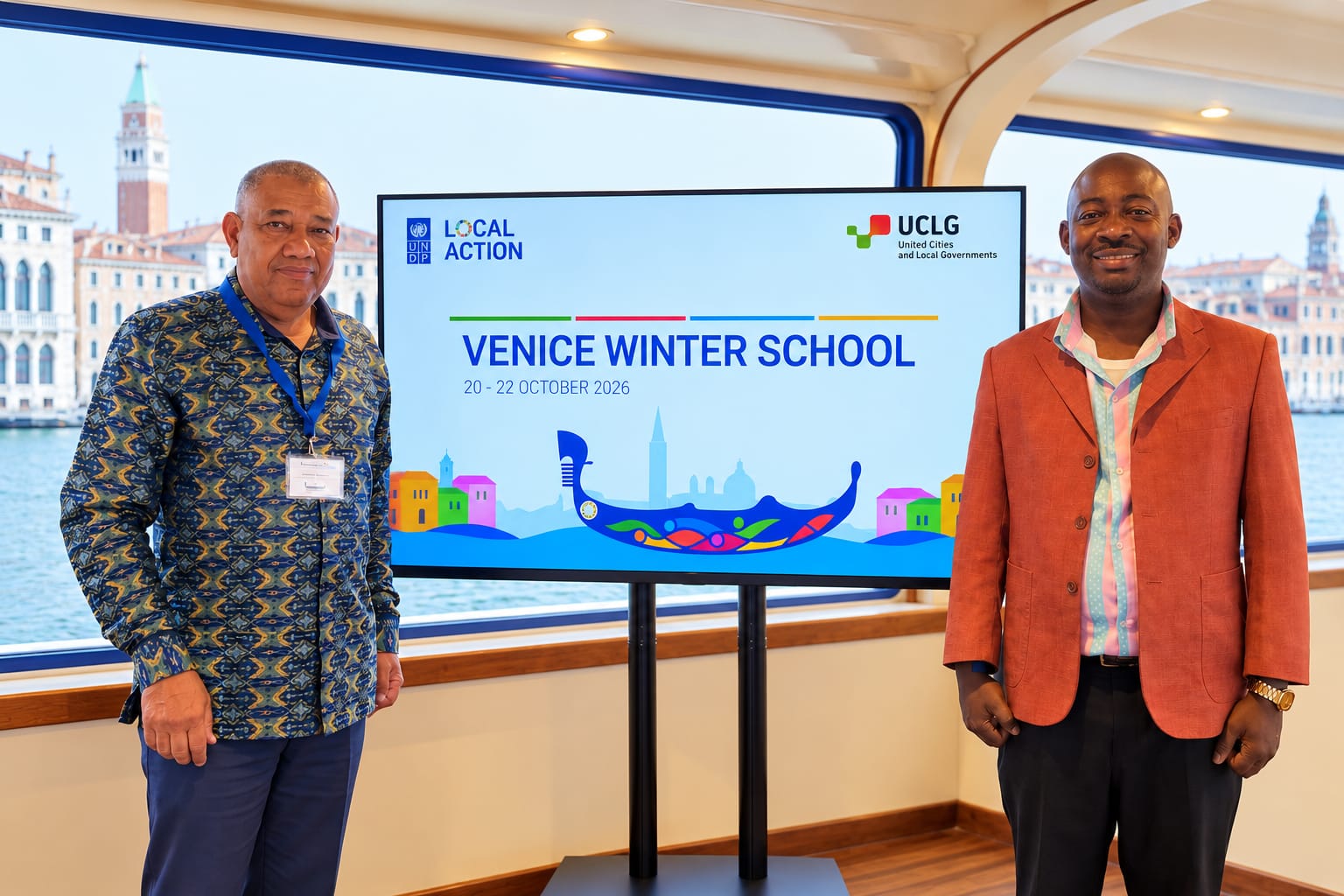
Lamu County has showcased its KSh 48.9 million Water for Peace Initiative at a UNDP forum in Venice, highlighting how water access can strengthen peacebuilding along the Kenya–Somalia border.
Lamu County's solar-powered desalination project in Kiunga is benefiting over 3,500 residents, promoting water security, climate resilience and peaceful coexistence between refugee and host communities.
At the UNDP Venice Winter School, Lamu County presented its award-winning peacebuilding model, demonstrating how improved water infrastructure can strengthen community trust, inclusion and sustainable development.
The County Government of Lamu has highlighted the growing importance of water security in promoting peace, strengthening community relations and building climate resilience along the Kenya–Somalia border, showcasing its Water for Peace Initiative at an international development forum in Venice, Italy.
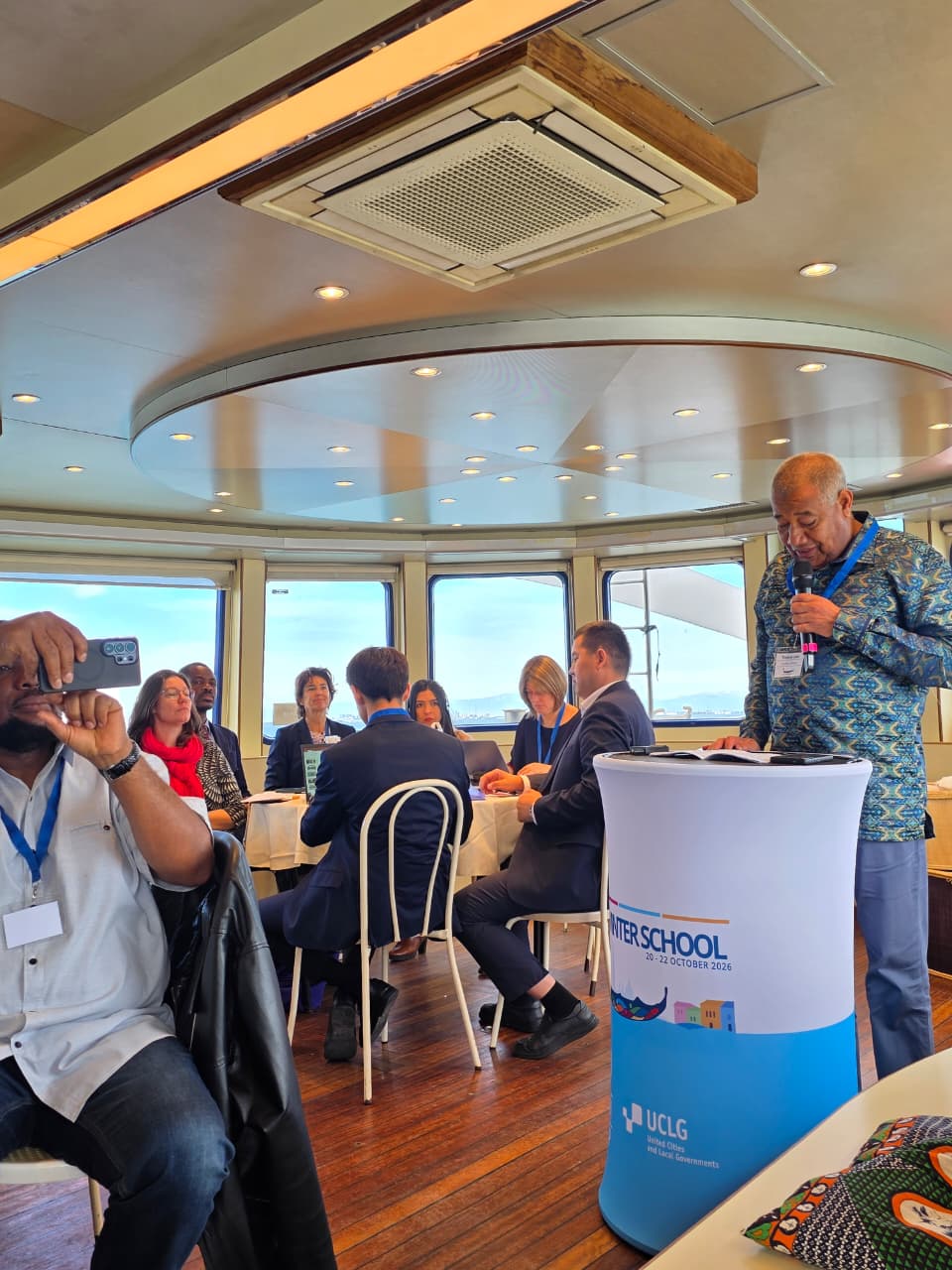
The initiative, implemented in Kiunga, Lamu County, demonstrates how investment in essential public services can contribute to addressing the underlying pressures associated with resource scarcity, strengthening trust between communities and promoting peaceful coexistence in border regions.
Speaking during the United Nations Development Programme (UNDP) SDG Local Action Venice Winter School, held from October 20 to 22, 2026, the Governor of Lamu County presented the Kiunga Water for Peace Initiative as an example of how local governments can integrate water infrastructure development with peacebuilding, climate adaptation and inclusive governance.
The international forum brought together participants from more than 65 countries to exchange experiences, innovations and practical approaches to accelerating the achievement of the Sustainable Development Goals (SDGs).
According to the County Government of Lamu, the county was the only participating city-level delegation from East Africa, providing an opportunity to share Kenya's experience in addressing interconnected development and security challenges through locally driven solutions.
The forum took place aboard Il Doge di Venezia, a vessel navigating the Venetian waterways, where participants engaged in discussions on sustainable development, innovation, environmental protection and inclusive service delivery.
KSh 48.9 Million Water Project Transforms Access in Kiunga
At the centre of Lamu County's presentation was the Kiunga Water for Peace Initiative, an investment valued at approximately KSh 48.9 million aimed at addressing longstanding water access challenges in the coastal border community.
The project combines solar-powered desalination technology with an expanded water distribution network to improve access to safe water for households and essential public institutions.
According to figures presented by the county government, the initiative includes a 15.09-kilometre water distribution network, a desalination system capable of producing 5,000 litres of water per hour and 573 household connections.
The infrastructure benefits more than 3,500 people, alongside three schools and two health facilities.
By expanding water access through renewable energy technology, the county seeks to reduce the challenges associated with water scarcity while strengthening the ability of communities to withstand climate-related pressures.
The use of solar-powered desalination is particularly significant in coastal areas where freshwater availability can be constrained by environmental conditions, changing rainfall patterns and the effects of climate variability.
The county presented the project as an example of how infrastructure investments can simultaneously address environmental sustainability, public health, community welfare and local development priorities.
Beyond the provision of water, improved access can reduce the time and effort households spend obtaining essential supplies, potentially creating additional opportunities for education, economic activities and community participation.
Water Access as a Tool for Peacebuilding
Lamu County's presentation placed particular emphasis on the relationship between access to essential services and the promotion of peace in communities affected by resource pressures and insecurity.
In border regions such as Kiunga, competition over limited resources can create tensions between communities, particularly where access to basic services is uneven or unreliable.
The county's Water for Peace approach seeks to demonstrate how improved access to water can help ease some of these pressures while encouraging cooperation, mutual understanding and stronger relationships between residents and public institutions.
According to the county government, investments in essential services can contribute to peacebuilding by addressing everyday challenges that influence community relations and public confidence in government institutions.
The Kiunga initiative is therefore designed not only as a water infrastructure project but also as part of a broader approach to strengthening community stability, social inclusion and peaceful coexistence.
Improved water access can create opportunities for communities to interact around shared services, encourage dialogue and reduce disagreements associated with resource scarcity.
The county also highlighted the importance of strengthening community trust, early warning mechanisms and information-sharing in supporting wider peace and security efforts.
These measures are particularly relevant in border communities where social cohesion and cooperation between residents and institutions can play an important role in addressing emerging tensions.
However, access to water alone cannot resolve the complex causes of insecurity. The county's approach recognises that sustainable peace requires coordinated interventions involving service delivery, inclusive governance, community participation and effective institutional cooperation.
Strengthening Relations Between Refugees and Host Communities
Another important dimension of the Kiunga Water for Peace Initiative is its focus on promoting inclusion and cooperation between refugee and host communities.
Kiunga is home to refugees who live alongside the local population rather than in a conventional refugee camp, creating a setting in which access to shared public services is an important consideration for community welfare and social relations.
The county government highlighted how inclusive water service delivery can support efforts to strengthen relationships between different population groups while promoting fairness in access to essential resources.
By expanding water infrastructure to serve the wider community, the initiative seeks to reduce pressures associated with scarcity and create opportunities for improved coexistence.
The approach reflects the understanding that humanitarian and development challenges in border areas are often interconnected, requiring interventions that address both immediate needs and longer-term community resilience.
Access to reliable water supplies is also important for schools and health facilities, where inadequate water availability can undermine learning environments, hygiene standards and the delivery of essential healthcare services.
With three schools and two health facilities benefiting from the project, the county's investment extends beyond household consumption to support institutions that serve the broader population.
The county government presented these outcomes as evidence of the potential for essential public services to contribute to social stability and inclusive development.
Lamu Shares Peacebuilding Experience with Global Participants
During the Venice Winter School, Lamu County participated in discussions under the Blue Trail – Clean and Affordable Water theme, which focused on practical solutions for improving water access and promoting sustainable resource management.
The Governor's presentation demonstrated how local governments can develop integrated approaches that connect infrastructure investment with climate resilience, peacebuilding and community development.
The Governor was accompanied by Mr. Shee Kupi Shee, OGW, Director of Disaster Risk Management and Peace Building in the County Government of Lamu.
Mr. Shee served as the technical lead for the Water for Peace case study, contributing to the development of the presentation and explaining the relationship between water security, inclusive governance, climate resilience and sustainable peace.
His participation also provided an opportunity for technical engagement with international participants interested in understanding the practical implementation of the Kiunga initiative.
According to the county government, the joint participation demonstrated the importance of combining political leadership with technical expertise in developing, implementing and communicating locally driven development solutions.
The international engagement also created opportunities for knowledge exchange, allowing Lamu County to share its experiences while learning from other local governments implementing innovative approaches to sustainable development.
Lamu Builds on International Peace Prize Recognition
The presentation in Venice also highlighted Lamu County's wider peacebuilding framework, which received international recognition through the 2026 United Cities and Local Governments (UCLG) Peace Prize in June.
According to the county government, the award recognised its approach to institutionalising peacebuilding within county governance and strengthening coordination among public institutions.
The Kiunga Water for Peace Initiative forms part of this broader model, demonstrating how the county seeks to translate peacebuilding commitments into practical development interventions.
Rather than treating peacebuilding solely as a security responsibility, the county's approach integrates it into everyday governance through improved service delivery, community engagement and inclusive development.
The county government maintains that addressing residents' basic needs can help build public confidence in institutions while creating conditions that support peaceful coexistence.
Its recognition through the UCLG Peace Prize has also provided an opportunity to share the county's experience with international audiences and contribute to discussions on the role of local governments in conflict prevention and sustainable peace.
The Venice presentation further reinforced the importance of documenting the long-term outcomes of such initiatives, particularly their effects on community relations, institutional trust and resilience.
Climate Resilience and Sustainable Development
Lamu County's Water for Peace Initiative also reflects growing efforts to integrate climate adaptation into local development planning.
Water scarcity, environmental pressures and climate variability can affect livelihoods and access to essential services, particularly in communities where economic activities depend heavily on natural resources.
The county's investment in solar-powered desalination seeks to provide a more sustainable water supply while reducing dependence on conventional energy sources.
By combining renewable energy with water distribution infrastructure, the initiative offers an approach that could inform similar interventions in other coastal and water-stressed communities.
The project also contributes to several interconnected Sustainable Development Goals, including SDG 6 on clean water and sanitation, SDG 7 on affordable and clean energy, SDG 13 on climate action and SDG 16 on peace, justice and strong institutions.
The county's presentation emphasised that progress towards these goals requires integrated planning rather than treating development challenges as isolated concerns.
Improved access to water, for example, can support public health, education, economic participation and community resilience while potentially reducing pressures associated with competition over scarce resources.
For local governments, such interventions demonstrate the importance of aligning infrastructure investments with broader social and environmental priorities.
From Kiunga to Venice: Local Solutions with Global Relevance
Lamu County's participation in the Venice Winter School provided an international platform to demonstrate how locally developed initiatives can contribute to global conversations on sustainable development and peacebuilding.
The county's experience in Kiunga highlights the potential for public service delivery to become part of wider efforts to strengthen community relations, address environmental challenges and promote inclusive development.
The engagement also underscored the importance of partnerships, innovation and peer learning in helping local governments identify practical solutions to challenges affecting their populations.
According to the County Government of Lamu, its participation reaffirmed its commitment to expanding access to essential services, strengthening climate resilience and embedding peacebuilding within local governance structures.
The county also intends to continue documenting the outcomes of its interventions to better understand their long-term contribution to community wellbeing and peaceful coexistence.
While the Kiunga project has established measurable infrastructure and service-delivery outputs, its longer-term contribution to conflict prevention and social cohesion will require continued assessment.
For communities along the Kenya–Somalia border, the initiative presents an approach in which investment in water infrastructure is connected to wider efforts to promote dignity, inclusion and sustainable peace.
As Lamu County continues sharing its experience internationally, the message emerging from Kiunga is that access to essential services is not only a development priority but can also form an important foundation for stronger communities, greater public trust and lasting peace.