
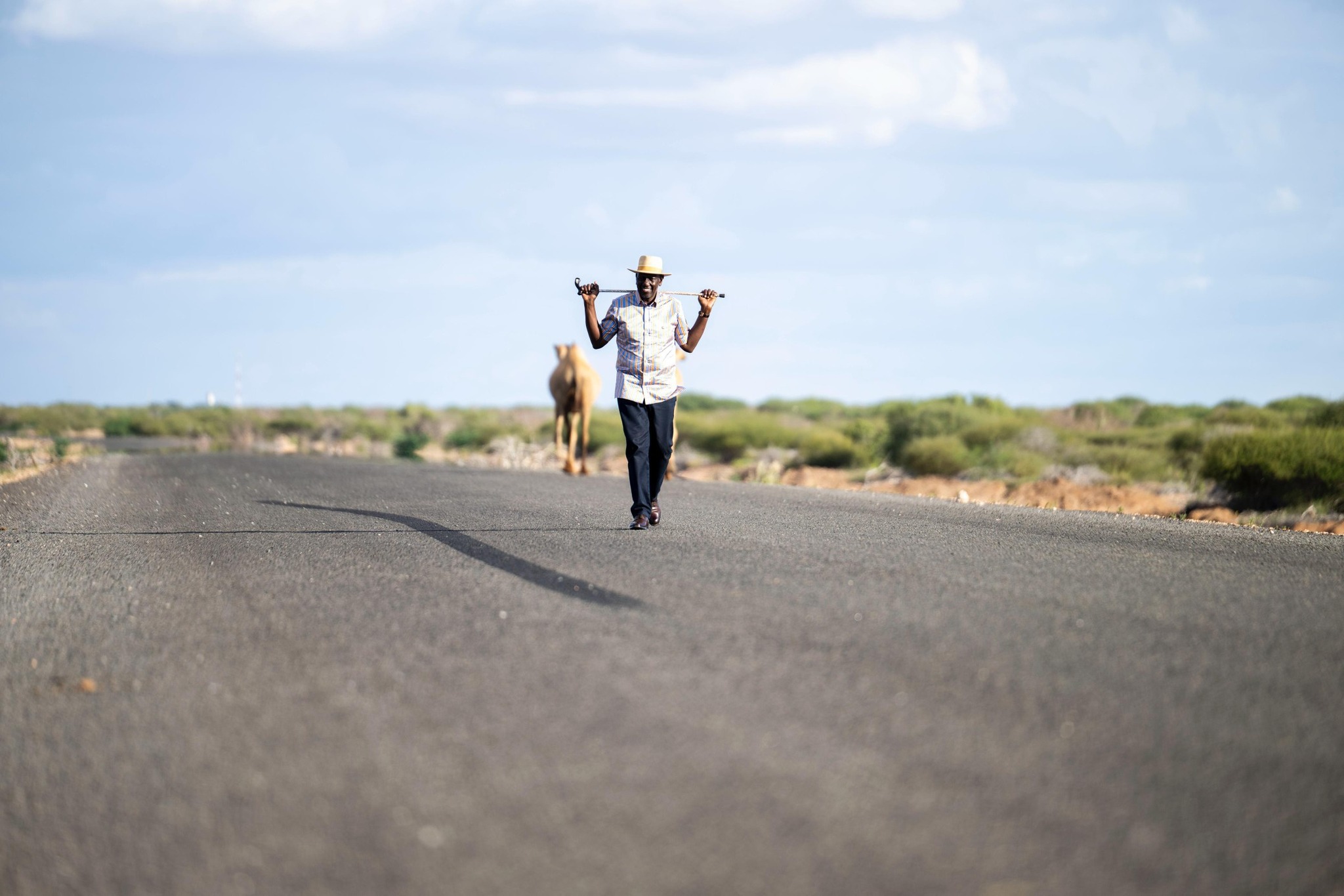
Kenya’s proposed Livestock Bill, 2026, seeks to establish a fund supporting drought response, livestock trade, agro-processing and price stabilisation.
Proposed livestock reforms could influence pastoralist livelihoods through stronger market access, drought resilience and investment in value addition.
Alongside a transformation fund, the Livestock Bill proposes new institutions for regulation, research, marketing and leather sector development.
Kenya’s proposed Livestock Bill, 2026, seeks to establish a Livestock Sector Transformation Fund to support drought response, livestock trade, agro-processing and price stabilisation as part of wider reforms targeting the sector.
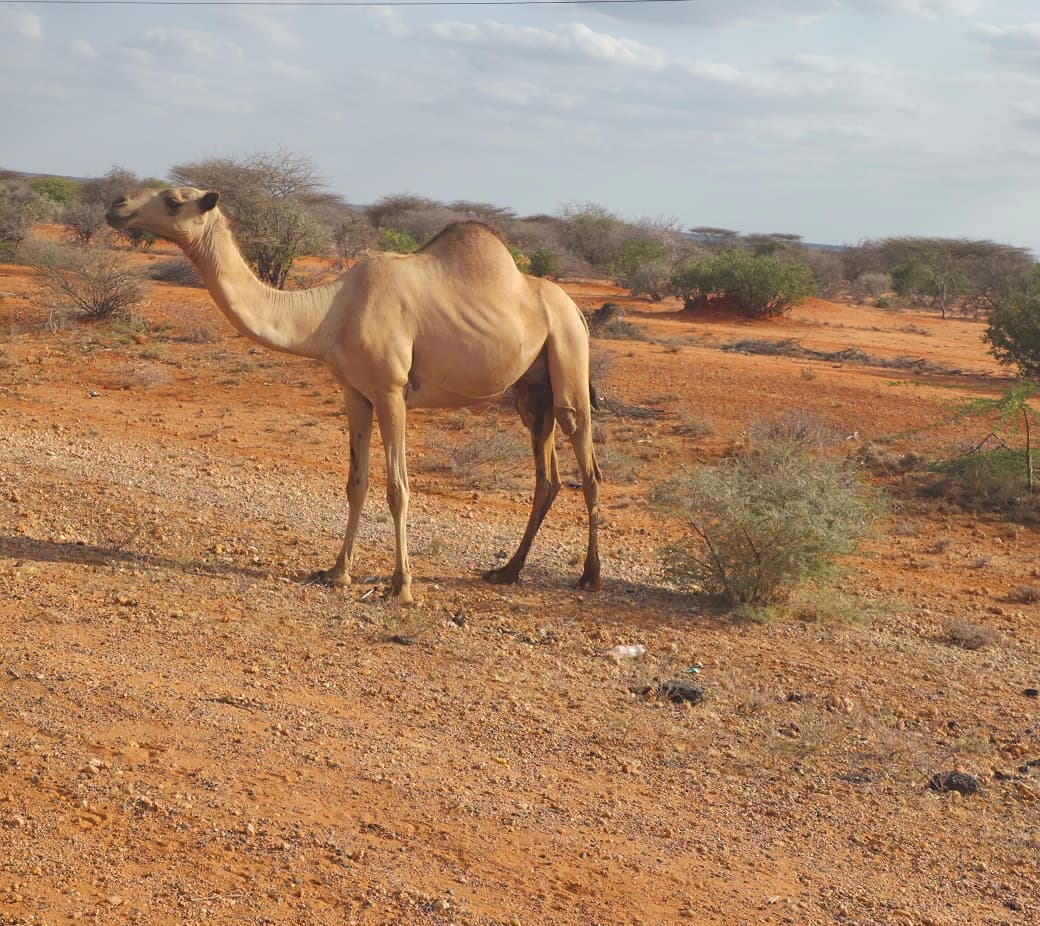
The proposed fund would introduce a financing mechanism for interventions intended to strengthen livestock production and marketing, with potential implications for pastoralist communities whose livelihoods depend on the sector.
Drought resilience and livestock prices are central to the proposals. For livestock keepers, particularly in pastoralist regions, the practical significance of the fund would depend on whether its implementation improves access to support during drought and helps address market pressures.
The proposal places price stabilisation among the fund’s intended functions. However, the information provided does not detail how stabilisation would work, how the fund would be financed or the conditions under which livestock keepers and other sector participants would access support.
These details would be important in assessing how the proposed mechanism could translate into better returns for producers and more reliable trading conditions.
Beyond the fund, the Bill proposes several institutional changes covering regulation, research, marketing and leather development.
A new authority would regulate livestock inputs and products, while a specialised livestock research organisation would support research focused on the sector. The proposals seek to establish dedicated institutions addressing different aspects of livestock development.
The Bill also envisages a livestock marketing board tasked with promoting exports, providing market intelligence and encouraging investment in infrastructure.
For livestock producers, the potential benefits would centre on stronger connections to buyers, better information about market opportunities and investment in facilities that support trade. Whether these benefits materialise would depend on the board’s eventual mandate, resources and implementation.
Agro-processing is another proposed area of support under the transformation fund, placing value addition alongside livestock trade and drought response.
This would bring attention to opportunities for earning more from livestock products through processing, rather than relying solely on the sale of live animals. The extent to which producers benefit would depend on their ability to participate in the resulting value chains.
The proposed legislation further seeks to transform the Kenya Leather Development Council into the Kenya Leather Development Authority, with the aim of strengthening the leather value chain.
Taken together, the measures outline a broad restructuring of how the livestock sector is financed, regulated, researched and marketed.
For pastoralist communities, the central issue is whether the reforms would deliver meaningful improvements in livelihoods. Better livestock prices, stronger market access, drought preparedness and investment in pastoralist regions would be key measures of their practical impact.
The establishment of new institutions alone would not demonstrate those outcomes. The effectiveness of the proposed framework would depend on how responsibilities are coordinated, how resources are allocated and how livestock keepers participate in its implementation.
As proposals, the measures should be distinguished from operational programmes. Their eventual effect would depend on the legislative process, the provisions adopted and the arrangements put in place to implement them.
The Livestock Sector Transformation Fund stands at the centre of that ambition: a proposed mechanism linking immediate pressures such as drought with longer-term priorities in trade, processing and market stability.