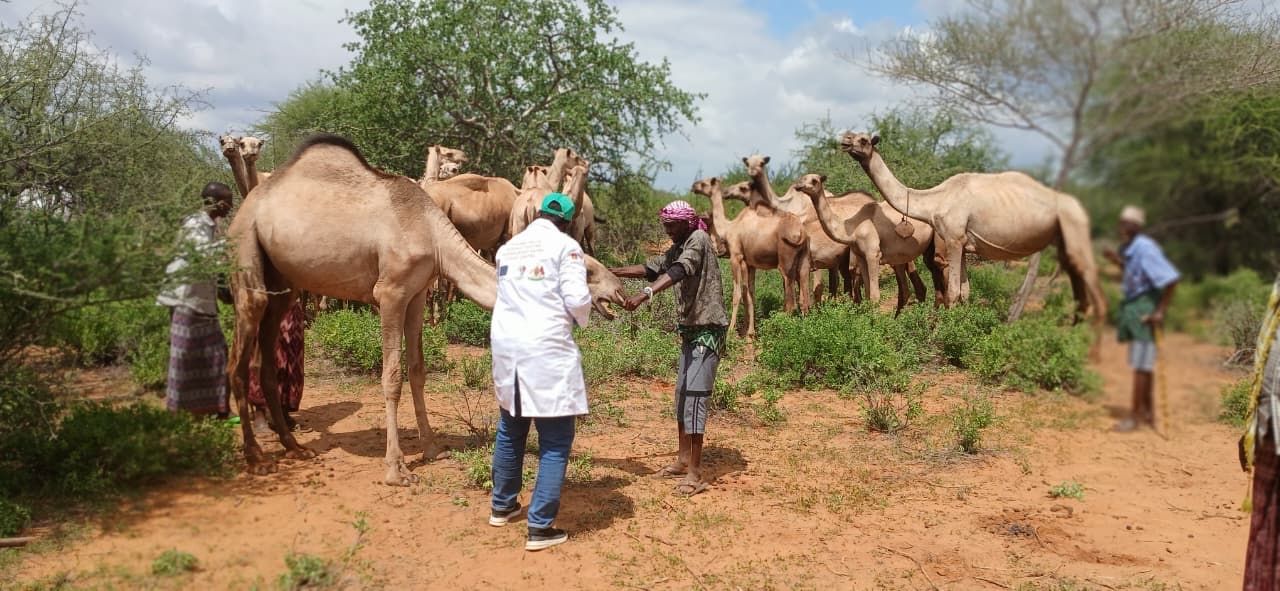
The County Government of Mandera, with support from BORESHA-NABAD through DRC Kenya, has launched a seven-day livestock disease investigation targeting Qalanqalesa, Sharifuda, Qarsadamu and Fincharo following reports of animal deaths.
The intervention is strengthening community-based disease surveillance by connecting Community Disease Reporters with government veterinary teams to improve early detection, diagnostic sampling, treatment and disease prevention.
Through BORESHA-NABAD, Mandera County is strengthening collaboration between government veterinary services, community actors and private animal health providers to protect livestock and safeguard pastoralist livelihoods.
The County Government of Mandera, through its Department of Veterinary Services, has intensified efforts to strengthen livestock disease surveillance and response following reports of animal deaths in four communities across the county.
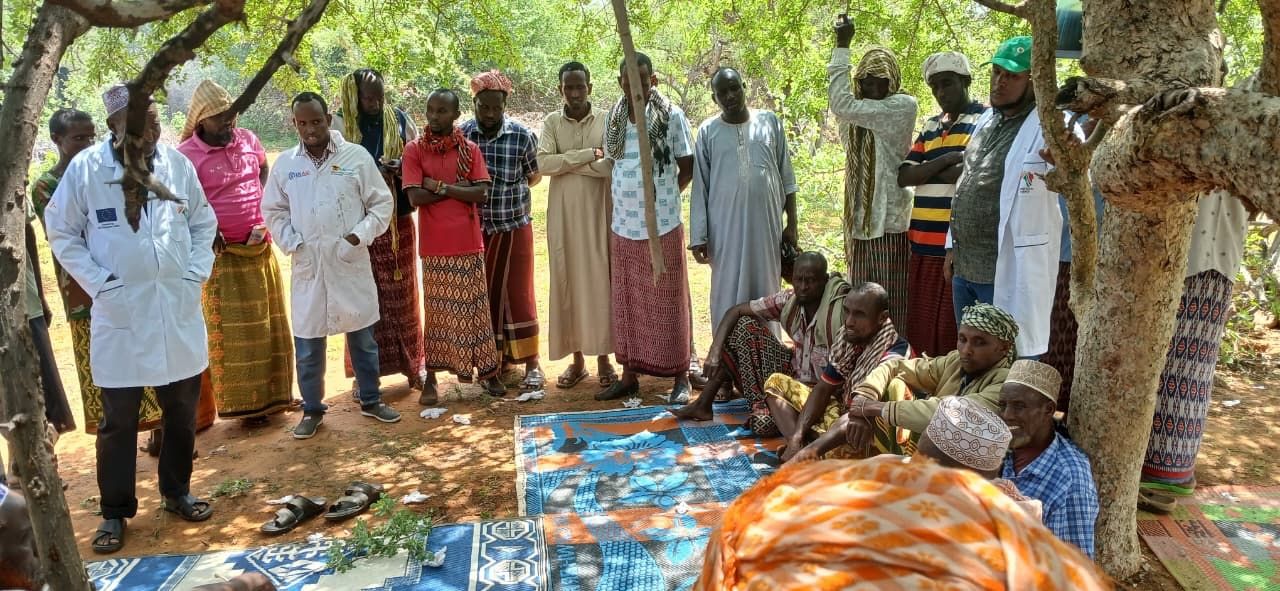
The seven-day intervention, supported by the BORESHA-NABAD programme through the Danish Refugee Council (DRC) Kenya, is targeting Qalanqalesa, Sharifuda, Qarsadamu and Fincharo, where livestock keepers have raised concerns over reported animal deaths.
The response seeks to establish the possible causes of the deaths, strengthen disease detection and ensure affected pastoral communities are connected to appropriate veterinary services.
The intervention builds on information gathered from livestock keepers through Community Disease Reporters (CDRs), who play a critical role in identifying and communicating suspected disease outbreaks at the community level.
By linking community-based reporting with government-led veterinary investigations, the initiative is strengthening the county's capacity to detect potential disease threats early and coordinate timely responses.
Strengthening Community-Based Disease Surveillance
Community Disease Reporters are an important link between pastoralist households and formal veterinary services, particularly in remote areas where access to animal health professionals can be limited.
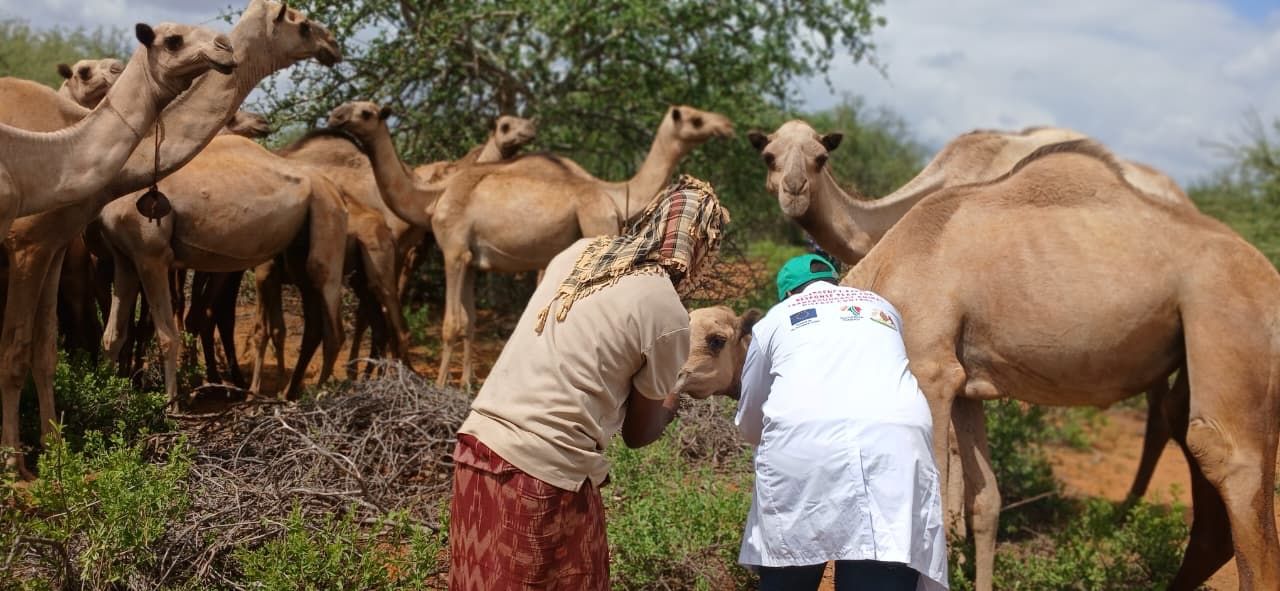
Through their networks, CDRs collect and relay information on unusual livestock deaths, disease symptoms and other emerging animal health concerns to relevant veterinary authorities.
In the current intervention, reports from livestock keepers have informed the investigation led by the County Government's Department of Veterinary Services.
The veterinary teams are conducting field investigations, surveillance activities and diagnostic sampling to support the identification of possible causes of the reported livestock deaths.
The exercise also includes supportive treatment for affected animals and community awareness activities focusing on disease prevention, early detection and timely reporting.
This coordinated approach is expected to improve the flow of information between livestock keepers, community disease reporters and veterinary professionals, enabling authorities to respond more effectively to emerging animal health threats.
Strengthening Government and Community Partnerships
The intervention highlights the importance of collaboration between government veterinary services, community actors and private animal health providers in building a responsive livestock health system.
For pastoral communities in Mandera, livestock is a major source of food, household income and economic security. Disease outbreaks can therefore have serious consequences, including livestock losses, reduced household earnings and increased vulnerability to food insecurity.
Strengthening disease surveillance and ensuring timely access to veterinary services are essential in protecting these livelihoods.
Through BORESHA-NABAD, DRC Kenya is supporting the County Government to strengthen existing animal health structures while improving coordination among the different actors involved in livestock disease prevention and management.
Rather than establishing parallel service delivery systems, the programme promotes a market-led approach that builds on the complementary roles of government veterinary departments, community-based disease reporters and private animal health providers.
Under this model, government veterinary services provide leadership in disease surveillance, investigation and response, while community actors support early reporting and private providers contribute to the delivery of animal health services.
The approach is designed to improve access to reliable veterinary services while strengthening the sustainability of animal health systems in pastoral areas.
Protecting Pastoralist Livelihoods Through Early Detection
Early detection and reporting of livestock diseases are particularly important in arid and semi-arid areas such as Mandera, where communities often depend heavily on livestock for their livelihoods.
Delays in identifying and responding to disease outbreaks can allow infections to spread across herds and communities, resulting in significant economic losses for livestock keepers.
By strengthening community reporting mechanisms and connecting them directly to government veterinary services, the ongoing intervention aims to reduce response delays and improve disease prevention.
The awareness component is also helping livestock keepers understand the importance of monitoring animal health, recognising unusual symptoms and reporting suspected disease outbreaks promptly.
These measures are critical in building community capacity to identify emerging risks and seek appropriate veterinary assistance before animal health problems escalate.
Building a Sustainable Animal Health System
Beyond the immediate investigation of livestock deaths, BORESHA-NABAD is using the intervention to strengthen a locally anchored animal health system that can respond more effectively to the needs of pastoral communities.
The programme's wider approach recognises that sustainable animal health services require strong public institutions, active community participation and a functional private veterinary service sector.
By strengthening these relationships, the initiative seeks to improve the availability, accessibility and reliability of veterinary services, particularly for livestock keepers in remote communities.
The collaboration also reinforces the role of county governments in leading livestock disease surveillance and response while working with development partners and other stakeholders to address emerging challenges.
As the investigation continues in Qalanqalesa, Sharifuda, Qarsadamu and Fincharo, the intervention underscores the importance of coordinated action in protecting livestock health and safeguarding pastoralist livelihoods.
Ultimately, stronger partnerships between government veterinary services, community disease reporters and private providers will be essential in building a responsive animal health system capable of detecting risks early, preventing disease outbreaks and protecting the livestock assets on which thousands of pastoralist households depend.