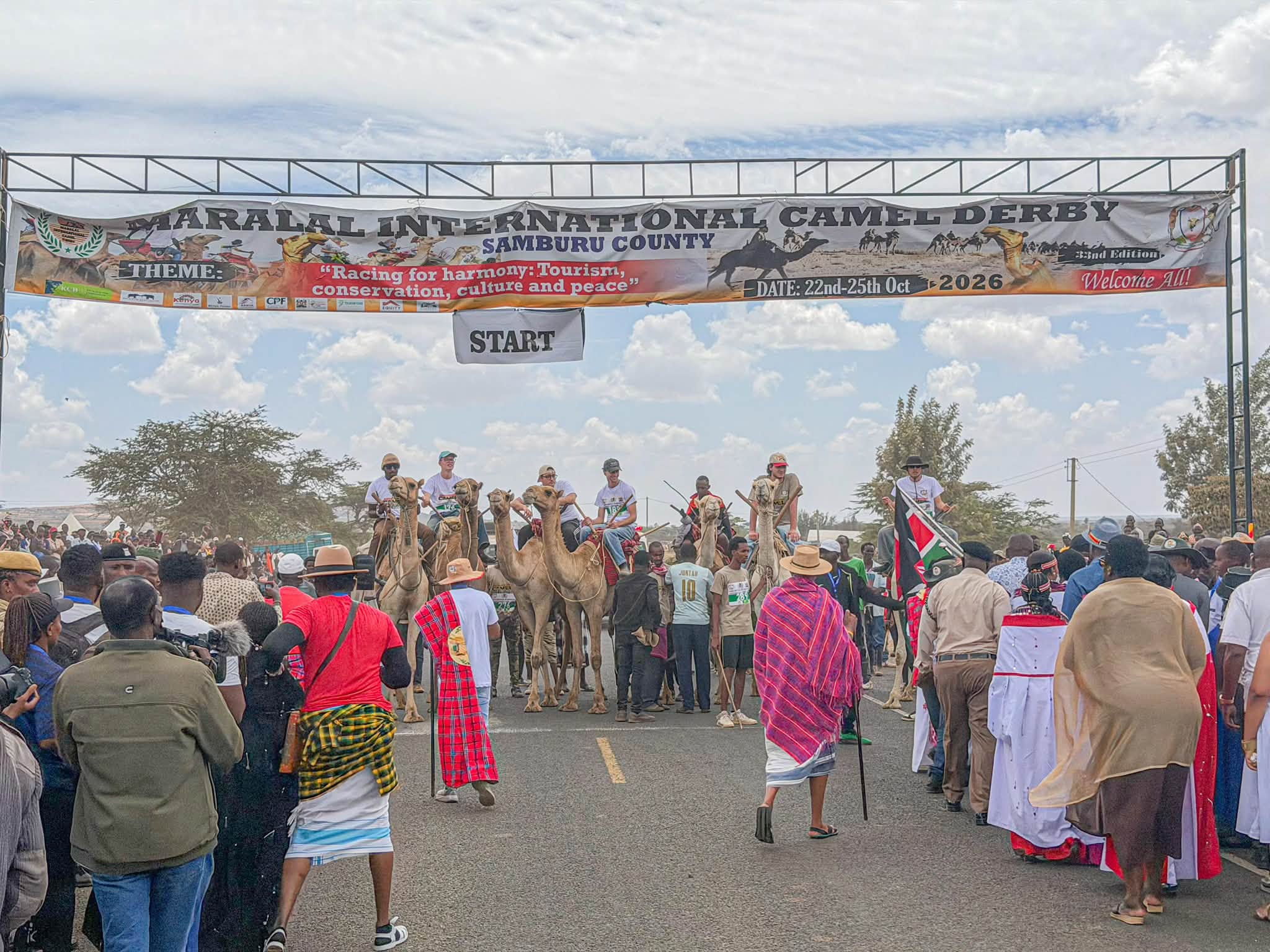
The 33rd Maralal International Camel Derby brought together pastoralist communities, tourists and government leaders in Samburu County to promote peace, cultural heritage and economic opportunities.
Kenya's Maralal Camel Derby continues to strengthen unity among northern Kenya's pastoralist communities through camel racing, cultural celebrations and tourism, while supporting local businesses and artisans.
Tourism CS Rebecca Miano and Culture CS Hanna Wendot Cheptumo highlighted the role of the 2026 Maralal Camel Derby in promoting peaceful coexistence, preserving Samburu traditions and boosting community tourism.
The 33rd Maralal International Camel Derby brought together pastoralist communities, cultural enthusiasts, tourists, and government leaders in Samburu County, highlighting the role of cultural tourism and traditional sporting activities in promoting peace, unity, and economic opportunities across northern Kenya.
The 2026 edition of the annual event, held under the theme "Racing for Harmony: Tourism, Conservation, Culture, and Peace," attracted participants and spectators from across Kenya and beyond, celebrating the rich cultural heritage, traditions and livelihoods of pastoralist communities.
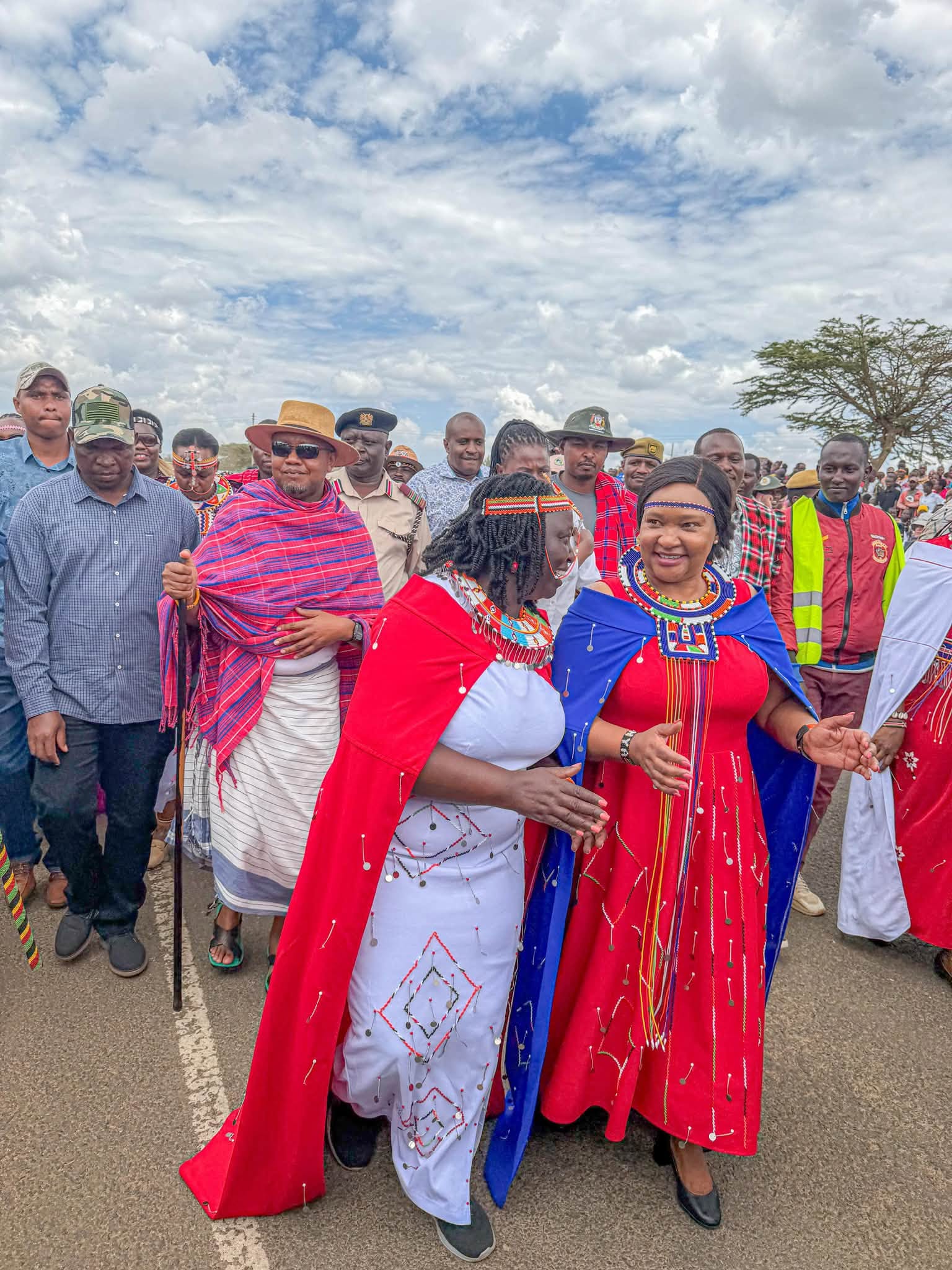
Hosted by Samburu Governor Lati Lelelit, the event was attended by senior government officials, including Health Cabinet Secretary Aden Duale, Tourism and Wildlife Cabinet Secretary Rebecca Miano, and Gender, Culture, the Arts and Heritage Cabinet Secretary Hanna Wendot Cheptumo.
The gathering gave communities a platform to celebrate their shared cultural identity while strengthening relationships and promoting peaceful coexistence in a region where competition over natural resources and other socioeconomic pressures have historically fueled intercommunal tensions.
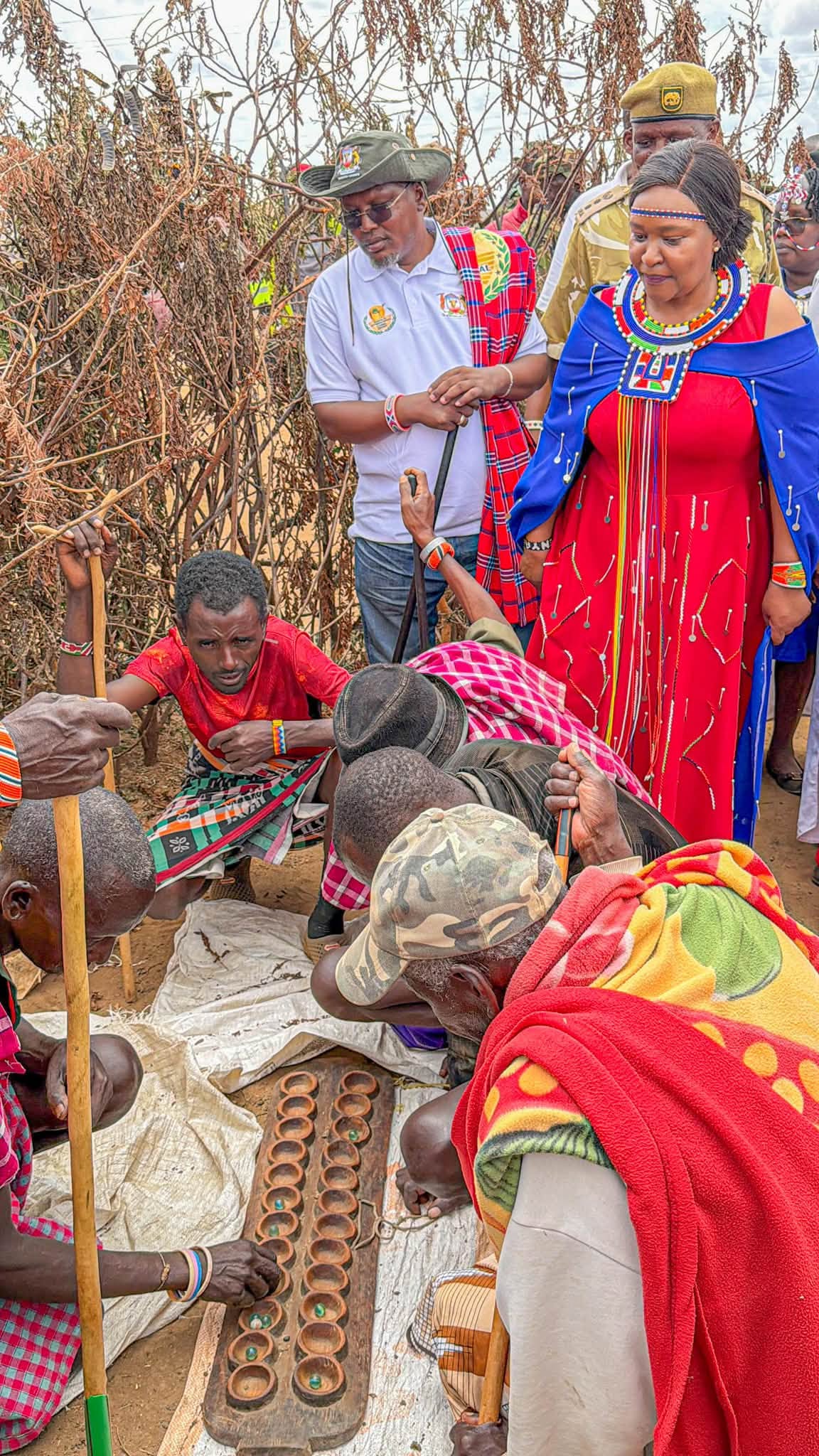
Beyond the camel races, the event featured traditional music, dance, beadwork, local cuisine and cultural exhibitions, showcasing the diversity of northern Kenya's pastoralist communities and their contribution to the country's cultural heritage.
Camel Derby's 33-Year Journey in Promoting Peace
Speaking during the celebrations, Tourism and Wildlife Cabinet Secretary Rebecca Miano highlighted the historical significance of the Maralal International Camel Derby as a platform for promoting peace and bringing communities together.
According to Miano, the event was originally conceived as a peace initiative among northern Kenya's pastoralist communities before evolving into an internationally recognised cultural and tourism festival.
"For 33 years, the iconic Maralal Camel Derby has proven that even the most unhurried creatures can unite a nation," Miano said.
She noted that the derby has grown beyond its original peacebuilding objectives to become an important celebration of sport, cultural heritage and tourism.
The Cabinet Secretary emphasised that the event demonstrates how shared cultural experiences can create opportunities for dialogue, strengthen community relationships and encourage cooperation among people from different backgrounds.
In northern Kenya, where pastoralism remains an important source of livelihood, cultural activities such as camel racing provide opportunities for communities to celebrate traditions that connect them across geographical and social boundaries.
The derby's continued existence also highlights the potential of cultural events to complement wider peacebuilding initiatives by creating spaces for interaction, cultural exchange and mutual understanding.
Tourism, Conservation and Culture Take Centre Stage
This year's theme, "Racing for Harmony: Tourism, Conservation, Culture, and Peace," reflected the organisers' commitment to connecting cultural celebrations with broader development and peacebuilding priorities.
Miano observed that community tourism plays an important role in promoting cultural appreciation while creating economic opportunities for local populations.
She highlighted the variety of activities featured during the event, including camel races, traditional performances, beadwork exhibitions and displays of local cuisine.
From the racing grounds to cultural exhibition areas, the derby provided visitors with opportunities to experience the traditions and hospitality of Samburu communities.
The event also offered a platform for local camel handlers and herders to demonstrate their skills, reflecting the significance of camels in the social, cultural and economic lives of pastoralist communities.
Camel keeping remains an important livelihood activity in many parts of northern Kenya, where the animals are valued for their ability to adapt to arid and semi-arid environments.
Beyond their economic importance, camels hold cultural significance, featuring prominently in traditional ceremonies, social relationships and community identity.
By placing camel racing at the centre of an international festival, the derby contributes to the preservation and promotion of pastoralist heritage.
Government Highlights Economic Benefits of Cultural Tourism
The national government has identified cultural tourism as an important opportunity for supporting local enterprises, diversifying tourism experiences and expanding economic opportunities beyond traditional destinations.
During the event, Miano highlighted the contribution of the Maralal International Camel Derby to the local economy, particularly through opportunities created for traders, artisans and small businesses.
"Beyond the spectacle, the Derby is a powerful catalyst for economic growth—supporting local artisans, traders, and small businesses while creating lasting benefits long after the dust settles," she said.
The influx of visitors during the festival creates opportunities for businesses involved in accommodation, transport, food services, cultural products and other tourism-related activities.
Local artisans also benefit from opportunities to showcase and market traditional products, including Samburu beadwork and other handmade cultural items.
For communities that depend heavily on livestock production, cultural tourism offers an additional avenue for income generation and economic diversification.
The Cabinet Secretary reaffirmed the Ministry of Tourism and Wildlife's commitment to strengthening partnerships that promote peace, protect natural and cultural heritage and position Kenya as a destination offering diverse tourism experiences.
She emphasised the importance of ensuring that tourism development creates meaningful opportunities for local communities while preserving the cultural and environmental resources on which such activities depend.
Samburu Cultural Heritage Showcased to Visitors
Gender, Culture, the Arts and Heritage Cabinet Secretary Hanna Wendot Cheptumo described the Maralal International Camel Derby as an important platform for celebrating Kenya's cultural diversity and preserving traditional practices.
According to Cheptumo, the event provides an opportunity to showcase Samburu's cultural heritage while strengthening community-based tourism.
"The Maralal International Camel Derby 2026 provides a valuable platform to promote Kenya's cultural heritage, strengthen community tourism and showcase the rich traditions of the Samburu people," she said.
The Cabinet Secretary highlighted the colourful cultural displays, traditional performances and community interactions that characterised the celebrations.
She noted that the festival brings Samburu's cultural identity to life through music, dance, traditional attire and other expressions of heritage passed down through generations.
The event also featured traditional meat-sharing practices, which reflect the Samburu community's values of hospitality, social responsibility and communal relationships.
These practices form part of the community's cultural identity and demonstrate the importance of sharing, cooperation and maintaining strong social bonds.
By showcasing such traditions to local and international visitors, the derby creates opportunities for cultural education and intergenerational knowledge transfer.
The festival also provides a platform for younger generations to engage with their cultural heritage while appreciating its relevance in contemporary society.
Strengthening Unity Among Pastoralist Communities
Peacebuilding remained a central theme of the 2026 Maralal International Camel Derby, with the event highlighting the importance of cooperation and peaceful coexistence among northern Kenya's pastoralist communities.
The region has historically experienced challenges associated with competition over grazing land, water resources and livestock-related insecurity.
Such pressures can affect community relationships, disrupt livelihoods and undermine development opportunities.
Against this background, cultural events that bring communities together can help create spaces for interaction and strengthen relationships across community boundaries.
The Maralal Camel Derby provides one such platform by encouraging participation in shared sporting and cultural activities.
Camel racing, in particular, offers an opportunity for herders and enthusiasts from different areas to interact through a tradition closely associated with pastoralist life.
The event's peacebuilding message also reflects the importance of recognising shared cultural values and economic interests as foundations for cooperation.
While cultural festivals cannot independently resolve longstanding security and resource-related challenges, they can complement formal peacebuilding efforts by encouraging dialogue, strengthening social connections and promoting mutual respect.
The 2026 theme reinforced this connection between culture, tourism, conservation and peace, highlighting the need for integrated approaches to community development.
Governor Lelelit Hosts National Leaders and Visitors
Samburu Governor Lati Lelelit hosted the event, which brought together senior government officials, participants and visitors from different parts of Kenya and beyond.
The attendance of Cabinet Secretaries Aden Duale, Rebecca Miano and Hanna Wendot Cheptumo reflected the national significance of the festival and its connection to tourism, culture and community development.
The gathering provided an opportunity to showcase Samburu County's tourism attractions while drawing attention to the importance of cultural preservation and economic opportunities for local communities.
Samburu is known for its distinctive pastoralist traditions, wildlife attractions, landscapes and cultural heritage, making it an important destination within Kenya's tourism sector.
The Maralal International Camel Derby adds to these attractions by offering visitors an experience centred on traditional sport and community celebrations.
For the county, the festival provides an opportunity to promote tourism while encouraging investment in local businesses and related services.
Its international character also contributes to efforts to increase the visibility of northern Kenya as a destination for cultural and adventure tourism.
Cultural Tourism as a Driver of Local Development
The Maralal International Camel Derby demonstrates how cultural heritage can be connected to economic development without losing its traditional significance.
By attracting visitors and creating opportunities for local participation, the festival supports businesses and individuals involved in tourism-related activities.
Artisans producing traditional beadwork, traders selling local products and service providers supporting visitors are among those positioned to benefit from increased commercial activity during the event.
The festival also creates opportunities to promote indigenous knowledge, traditional livestock practices and cultural performances.
For pastoralist communities, these activities can help preserve cultural identity while creating additional economic opportunities.
However, sustaining these benefits requires continued investment in tourism infrastructure, community participation, marketing and environmental conservation.
Ensuring that local residents participate in tourism planning and benefit from related economic activities is also important for strengthening community ownership and long-term sustainability.
The Ministry of Tourism and Wildlife has reiterated its commitment to building partnerships that promote community tourism, cultural preservation and peace.
Such partnerships could help strengthen the derby's contribution to Samburu's tourism economy while supporting wider efforts to diversify tourism experiences across Kenya.
Preserving Traditions for Future Generations
Beyond the economic opportunities associated with the festival, the Maralal International Camel Derby serves as a platform for preserving cultural practices and passing traditional knowledge to younger generations.
The celebration of camel-rearing traditions, traditional cuisine, music, dance and beadwork reflects the importance of cultural heritage in maintaining community identity.
For younger participants, the festival offers opportunities to learn about pastoralist customs and appreciate the knowledge and skills developed by previous generations.
The participation of local communities also helps ensure that cultural traditions remain part of everyday social life rather than becoming activities presented solely for tourism.
Cheptumo's emphasis on cultural preservation highlighted the importance of protecting indigenous practices while creating opportunities for communities to share their heritage with wider audiences.
The event further demonstrated how cultural celebrations can promote national unity by encouraging appreciation of Kenya's diverse communities and traditions.
Maralal Derby's Growing International Significance
Over its 33-year history, the Maralal International Camel Derby has evolved from a local peace initiative into an event attracting national and international attention.
Its continued growth reflects the appeal of cultural tourism experiences that combine traditional sport, heritage, community interaction and adventure.
The participation of visitors from outside Kenya also provides an opportunity to promote the country's cultural diversity and strengthen its international tourism profile.
For Samburu County, the festival offers a platform to showcase attractions that extend beyond wildlife tourism, including cultural experiences and pastoralist traditions.
The event also highlights the potential for northern Kenya to develop tourism products that reflect the region's distinctive landscapes, communities and heritage.
As Kenya seeks to diversify its tourism offerings, festivals such as the Maralal Camel Derby provide opportunities to connect cultural preservation with economic development and international visibility.
A Celebration of Peace, Culture and Shared Prosperity
The conclusion of the 33rd Maralal International Camel Derby reinforced the festival's longstanding message of peace, unity and cultural appreciation.
Through camel racing, traditional performances and community celebrations, the event brought together people from different backgrounds while highlighting the cultural traditions that connect northern Kenya's pastoralist communities.
The participation of national and county leaders also demonstrated the importance attached to cultural tourism as a platform for supporting economic opportunities and community development.
For local businesses, artisans and traders, the festival created opportunities to engage with visitors and showcase products and services.
For pastoralist communities, it provided a space to celebrate shared traditions, strengthen social relationships and promote peaceful coexistence.
As the Maralal International Camel Derby continues to grow, its lasting significance will depend not only on the number of participants and visitors it attracts but also on its contribution to cultural preservation, community livelihoods and sustained cooperation.
From its origins as a peace initiative to its present status as an international cultural festival, the Maralal Camel Derby remains a symbol of how sport, heritage and tourism can bring communities together while creating opportunities for a more peaceful and economically resilient northern Kenya.