
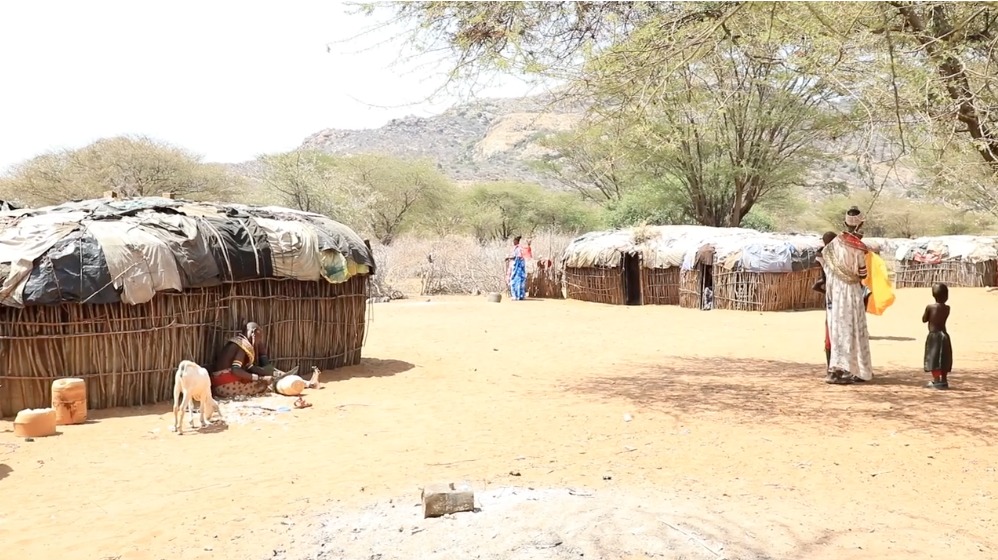
Dida’s twins recovered from undernutrition through regular health and nutrition monitoring, highlighting the importance of consistent care in drought-affected Marsabit County.
Concern Worldwide’s Kenya Humanitarian Fund-supported response delivered healthcare, nutrition and WASH services across Laisamis, Saku, Moyale and North Horr.
The Marsabit response exceeded its participation targets, combining nutrition support with water infrastructure rehabilitation, hygiene promotion and essential household assistance.
A mother’s experience caring for twins who recovered from undernutrition has highlighted the importance of accessible and consistent health and nutrition services in drought-affected communities in Marsabit County.
According to Concern Worldwide Kenya, Dida’s twins recovered through regular health and nutrition monitoring. Their story illustrates the difference sustained support can make for families facing nutritional challenges as drought places mounting pressure on essential services.
Concern Worldwide shared Dida’s experience while highlighting its Lifesaving Nutrition and WASH Response for Drought-Affected Populations in Marsabit County, supported by the Kenya Humanitarian Fund.
The response combined essential healthcare and nutrition services with water infrastructure rehabilitation, hygiene promotion and the distribution of non-food items. It reached communities across Laisamis, Saku, Moyale and North Horr.
For children experiencing undernutrition, timely access to healthcare and continued monitoring were central concerns of the initiative. Dida’s experience brought a personal perspective to the wider response, demonstrating why families need services they can access consistently.
Concern Worldwide said the programme exceeded its targets of 70,070 direct and 150,000 indirect participants. The organisation did not provide final participation figures in its account.
Alongside healthcare and nutrition support, the response addressed water, sanitation and hygiene needs. Rehabilitation of water infrastructure formed part of these efforts, complemented by hygiene promotion and essential household assistance.
The combination of services reflected the range of needs facing drought-affected families, whose health and well-being depend on access to both care and basic resources.
Concern Worldwide said its approach centres on working alongside communities affected by humanitarian crises, helping people access essential services and supporting their efforts to protect their health, dignity and well-being.
While the programme’s reach demonstrates the scale of the response, Dida’s story highlights its significance at the household level. For her family, regular monitoring and continued support accompanied the twins’ recovery from undernutrition.