
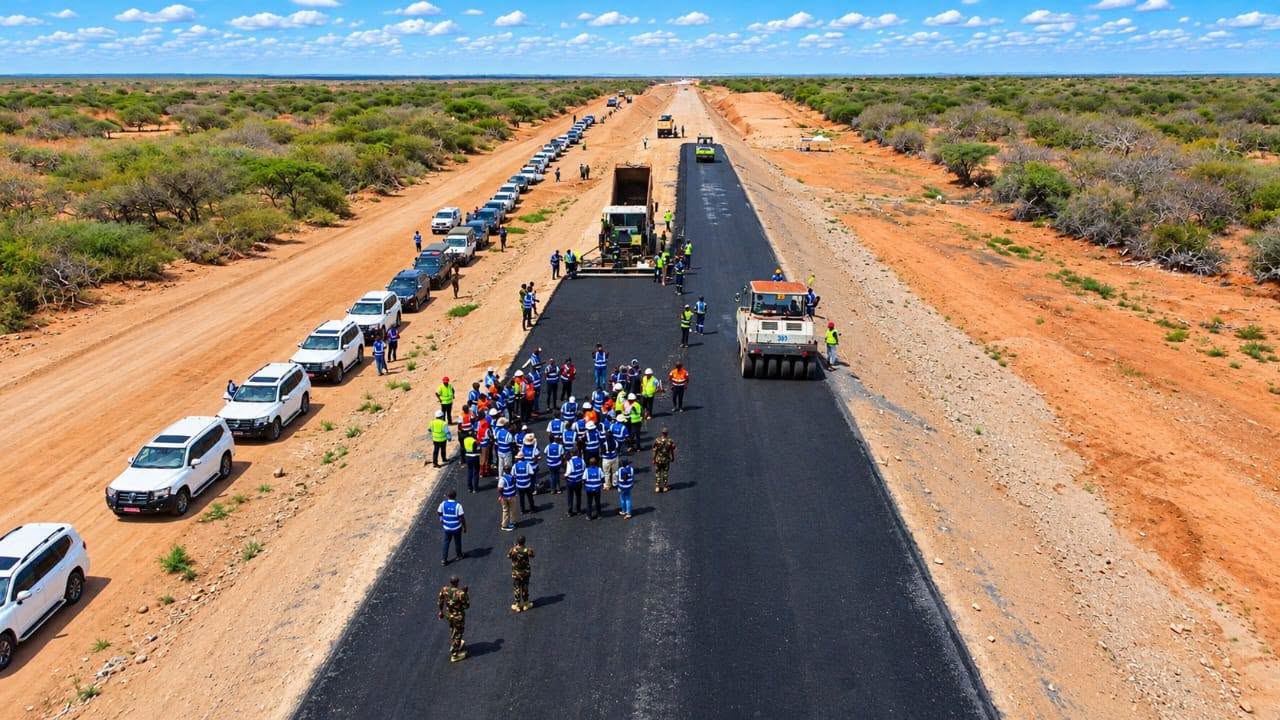
The planned Northern Kenya Gateway Corridor is expected to improve connectivity and unlock trade opportunities across Isiolo, Wajir and Mandera counties.
Spanning more than 750 kilometres, the corridor will connect communities through key centres including Modogashe, Wajir, El Wak and Rhamu.
The road project is part of broader efforts to address infrastructure inequalities, improve access to markets and strengthen economic opportunities in Northern Kenya.
The construction of the more than 750-kilometre Northern Kenya Gateway Corridor is expected to strengthen connectivity, improve access to markets and open new opportunities for trade and investment across Isiolo, Wajir and Mandera counties.
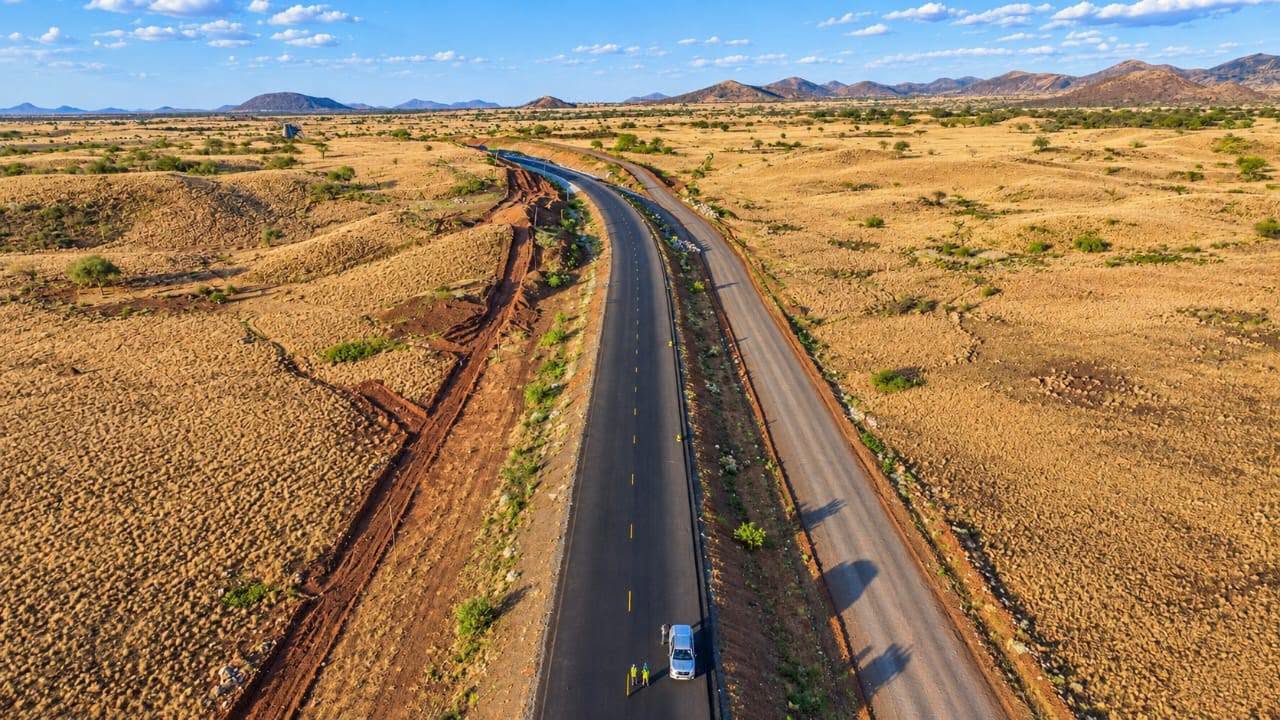
President William Ruto announced the progress of the strategic road project during his State of the Nation Address on November 18, 2026, describing it as a major investment in opening Northern Kenya to wider economic opportunities.
“We are constructing the more than 750-kilometre Isiolo–Wajir–Mandera corridor through Modogashe, Wajir, El Wak and Rhamu, opening Northern Kenya to wider trade and investment,” the President told Parliament.
The corridor is designed to connect communities and economic centres along a strategic route linking Isiolo, Wajir and Mandera through several towns and settlements, including Modogashe, Samatar, Tarbaj, Kotulo, Kobo, El Wak, Garre and Rhamu.
For communities along the route, improved road connectivity represents an opportunity to strengthen their participation in the national economy by reducing the physical barriers that have historically affected the movement of people, goods and services.
Northern Kenya has significant economic potential in livestock production, trade, agriculture, transport and other commercial activities. However, the cost and difficulty of moving goods across long distances have often presented challenges for producers, traders and businesses.
The new corridor is expected to improve the movement of livestock and other commodities while creating better connections between local trading centres and wider markets.
Improved transport infrastructure can also support the movement of essential supplies, including food, construction materials and other goods, while making it easier for residents to access public services.
President Ruto highlighted the wider economic importance of road infrastructure, noting that better roads reduce the cost of moving agricultural produce, transporting manufactured goods and accessing markets.
“These are not merely engineering targets,” he said, adding that roads connect workers to employment, patients to hospitals and learners to educational institutions.
The President also reflected on the historical infrastructure inequalities experienced by communities in Northern Kenya, noting that some residents had lived their entire lives without a tarmacked road reaching their communities.
He said the Government was committed to correcting these inequalities through equitable development.
The corridor is therefore positioned not only as a transport project but also as part of a wider effort to connect underserved communities to economic opportunities.
For livestock-dependent communities, improved connectivity could strengthen links between production areas, livestock markets and other commercial centres. It could also create opportunities for transport operators, traders and businesses operating along the corridor.
The broader economic benefits will depend on the effective completion of the road and the ability of communities and businesses to take advantage of improved connectivity.
The Government's ambition, as outlined in the address, is to ensure that infrastructure development reaches regions that have historically remained on the margins of national investment, opening new pathways for trade, investment and inclusive economic growth.