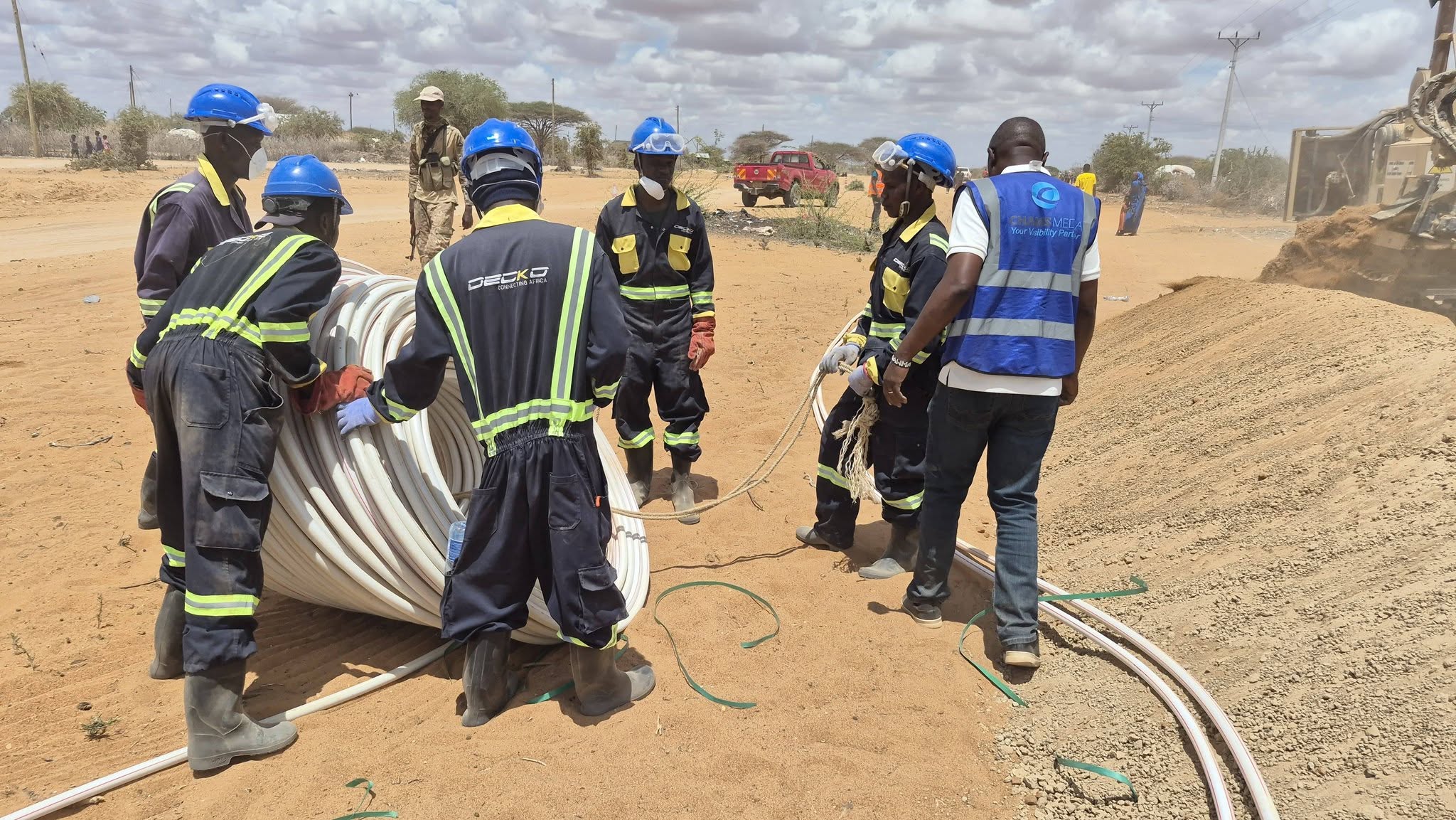
A planned 1,000-kilometre fibre optic link along the Isiolo–Mandera corridor could expand digital connectivity and support economic opportunities in northern Kenya.
The ICT component of the Horn of Africa Gateway Development Project could improve access to online learning, healthcare information, markets and public services.
Affordable internet, reliable electricity and connections to communities beyond the main cable will be essential to realising the fibre network’s benefits.
A planned 1,000-kilometre fibre optic cable along the Isiolo–Mandera road corridor could expand digital connectivity in northern Kenya, creating opportunities for businesses, public institutions and communities to access more reliable communication services.
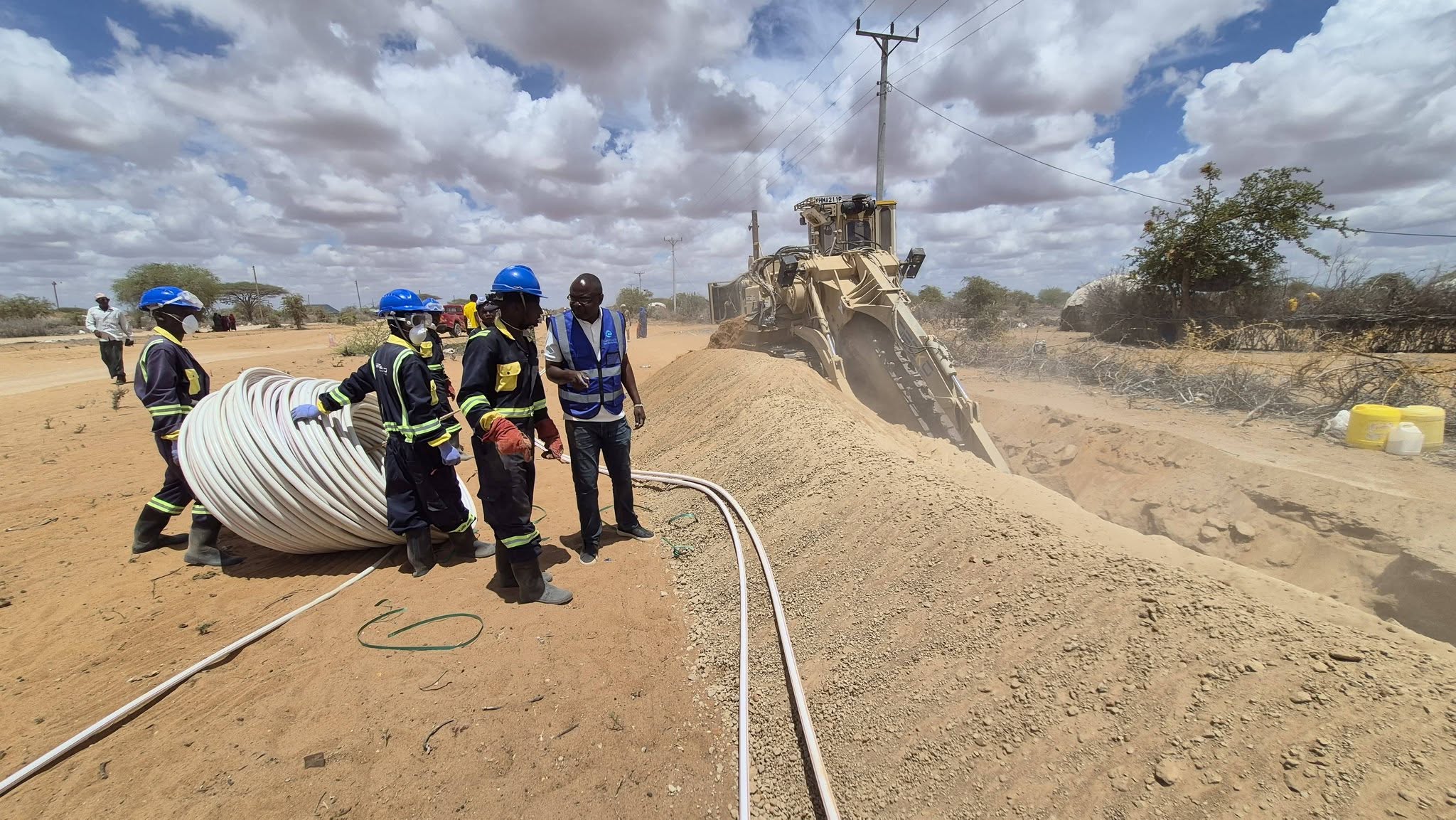
The fibre installation is an ICT component of the ongoing Horn of Africa Gateway Development Project, which traverses Isiolo, Meru, Garissa, Wajir and Mandera counties.
According to the project information provided, the wider development initiative is supported by the World Bank, African Development Bank and Arab Banks Consortium. An update from Eldera, approximately 146 kilometres from Isiolo before Modogashe, highlights the route associated with the planned fibre infrastructure.
By incorporating telecommunications infrastructure into the road corridor, the project seeks to connect physical transport improvements with digital access. Its potential benefits extend beyond communication to education, healthcare, trade and public service delivery.
For businesses along the corridor, improved connectivity could make it easier to communicate with suppliers, reach customers and use online services. Traders and small enterprises could gain better access to market information, digital payment platforms and electronic record-keeping tools.
Reliable internet could also support young people seeking online training, remote work and digital business opportunities. However, translating network coverage into employment would require affordable access, suitable devices, practical skills and connections to viable markets.
Schools and training institutions could benefit from improved access to digital learning materials and communication platforms. Better connectivity could help teachers obtain resources and enable learners to participate in online courses, particularly where institutions receive connections from the main network.
Healthcare facilities could use improved internet access to strengthen communication, submit reports and support electronic information systems. Where staffing, equipment and service arrangements allow, connectivity could also facilitate remote consultations and coordination between facilities.
For pastoralist communities, digital access could improve the availability of weather forecasts, livestock market prices and animal health information. Such information could support household decisions, although its usefulness would depend on timely updates and delivery through accessible languages and platforms.
The fibre route could also strengthen communication between county offices and national government institutions. Residents may find it easier to access online public services if the infrastructure leads to dependable and affordable connections in towns and settlements along the corridor.
Its location along a major transport route presents further possibilities for businesses involved in logistics and cross-border trade. Improved communication could support coordination of deliveries, transactions and customer enquiries.
Nevertheless, laying a fibre backbone is one stage in expanding meaningful digital access. Communities would still need connections linking the main cable to homes, businesses, schools and health facilities.
Electricity, network maintenance, service pricing and digital literacy would influence how widely the benefits are shared. Settlements beyond the immediate road corridor would also require additional infrastructure to access the network.
For the five counties covered by the wider project, the ICT component therefore represents an opportunity to strengthen participation in the digital economy. Its lasting impact will depend on how effectively the planned fibre infrastructure is connected to everyday services and made accessible to the communities it passes.