
Women in Rawana, Marsabit County, are rebuilding their livelihoods through vegetable farming and feedlotting with support from Oxfam Kenya, Oxfam Great Britain and SNDAfrica following the devastating 2023 drought.
The Biqiltu Women's Group is transforming agricultural production through access to a solar-powered borehole, protective crop netting and improved water infrastructure, strengthening food security and household incomes.
Oxfam and its partners are supporting drought recovery in Marsabit through community-led livelihood initiatives, improved water access and sustainable agricultural practices aimed at building long-term resilience.
Women in Rawana, Marsabit County, are rebuilding their livelihoods through sustainable agriculture and improved access to water following a devastating drought that affected communities across the region.
Through support from Oxfam Kenya, Oxfam Great Britain and its local partner, Strategies for Northern Development (SNDAfrica), community members are turning to alternative livelihood activities, including vegetable farming and feedlotting, to recover from drought-related losses and strengthen their resilience against future climate shocks.
The recovery initiative builds on interventions introduced in 2024, a year after severe drought conditions disrupted livelihoods, depleted livestock resources and increased the vulnerability of households that depend largely on pastoralism.
Recognising the need for sustainable alternatives, community members identified vegetable farming and feedlotting as practical opportunities to diversify their sources of income, improve food security and reduce their dependence on climate-sensitive livelihoods.
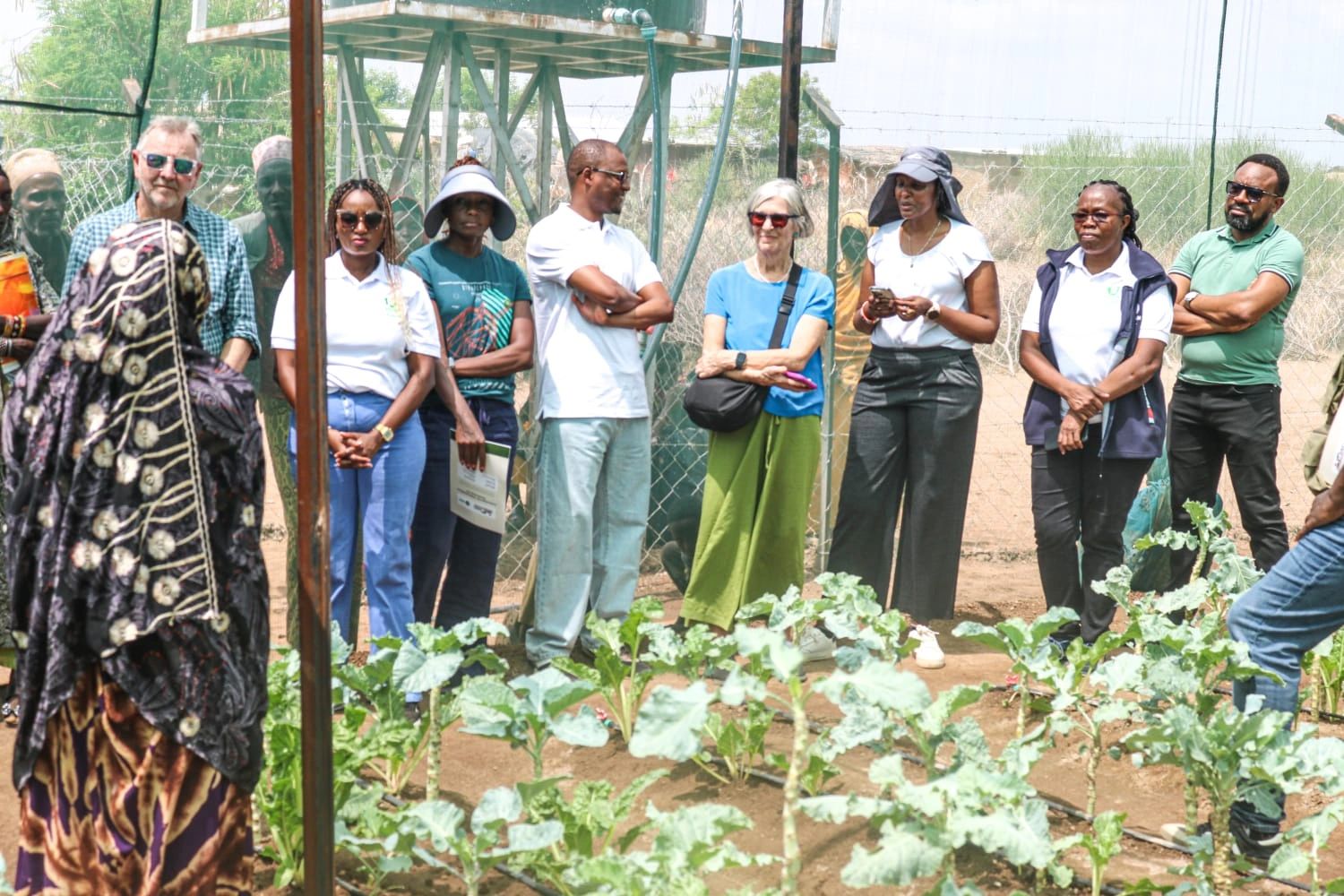
During a recent visit to Rawana, representatives from Oxfam Kenya, Oxfam Great Britain and SNDAfrica assessed the progress of the initiative and witnessed the transformation taking place in the supported farms.
The visit provided an opportunity to engage members of the Biqiltu Women's Group, who shared their experiences and demonstrated how the support has helped them establish and sustain agricultural activities.
Solar-Powered Water Supply Transforms Farming
One of the major factors behind the success of the initiative has been improved access to reliable water.
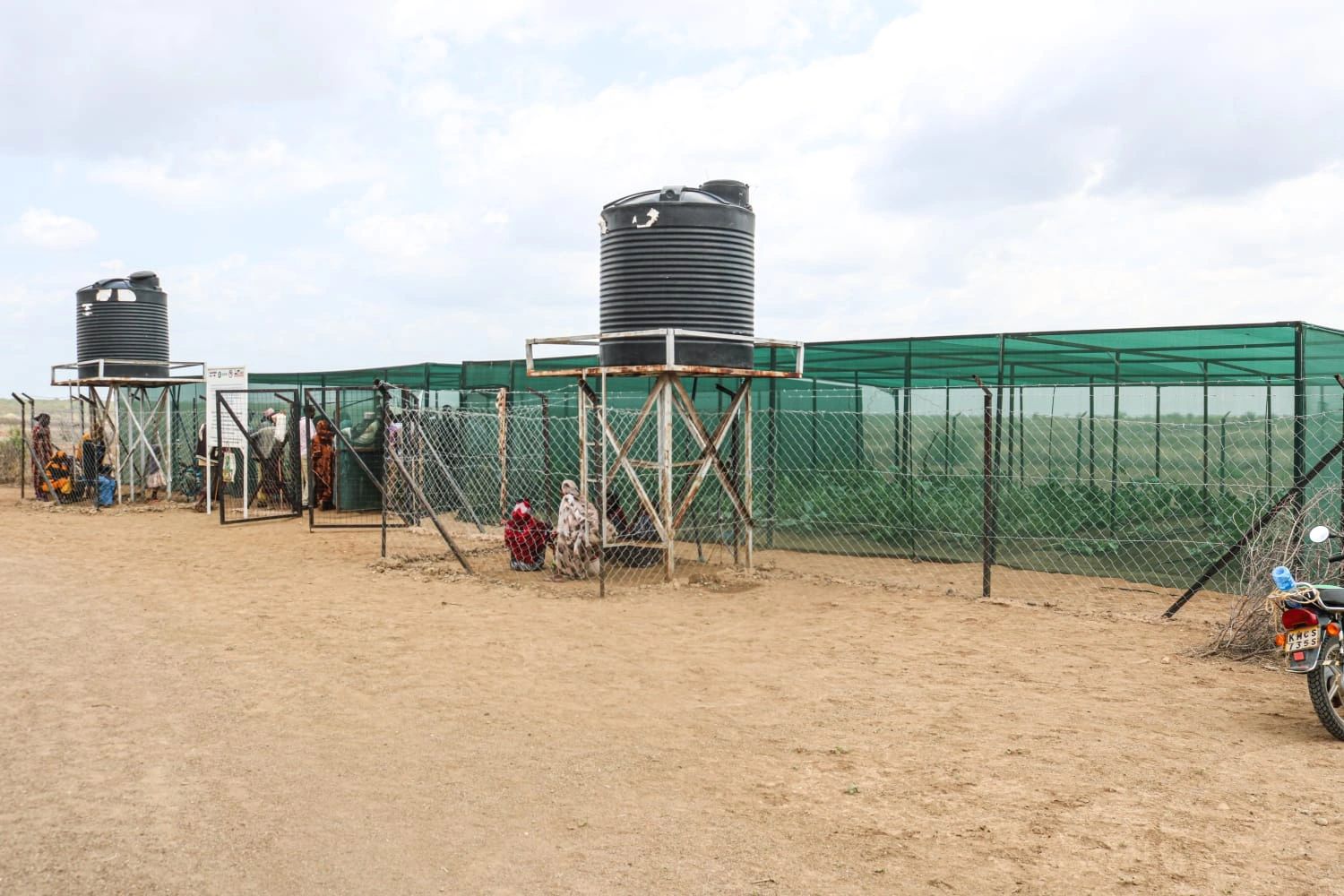
A solar-powered borehole located a few kilometres from the farms has provided a dependable water source, enabling women to maintain vegetable production and sustain agricultural activities despite the harsh climatic conditions.
Access to reliable water is particularly important in Marsabit, where prolonged dry spells and unpredictable rainfall often undermine agricultural production and threaten household food security.
By reducing dependence on rainfall, the borehole has created opportunities for more consistent farming and improved the group's ability to plan production cycles.
The farms have also benefited from protective netting installed to shield crops from intense heat and minimise pest damage.
The protective structures help create more favourable growing conditions, allowing vegetables to develop while reducing exposure to environmental stresses that commonly affect agricultural production in arid and semi-arid areas.
These investments demonstrate how appropriate infrastructure and climate-responsive agricultural practices can support communities to adapt to changing weather patterns and establish more sustainable livelihood systems.
Improved Water Access Eases Household Burden
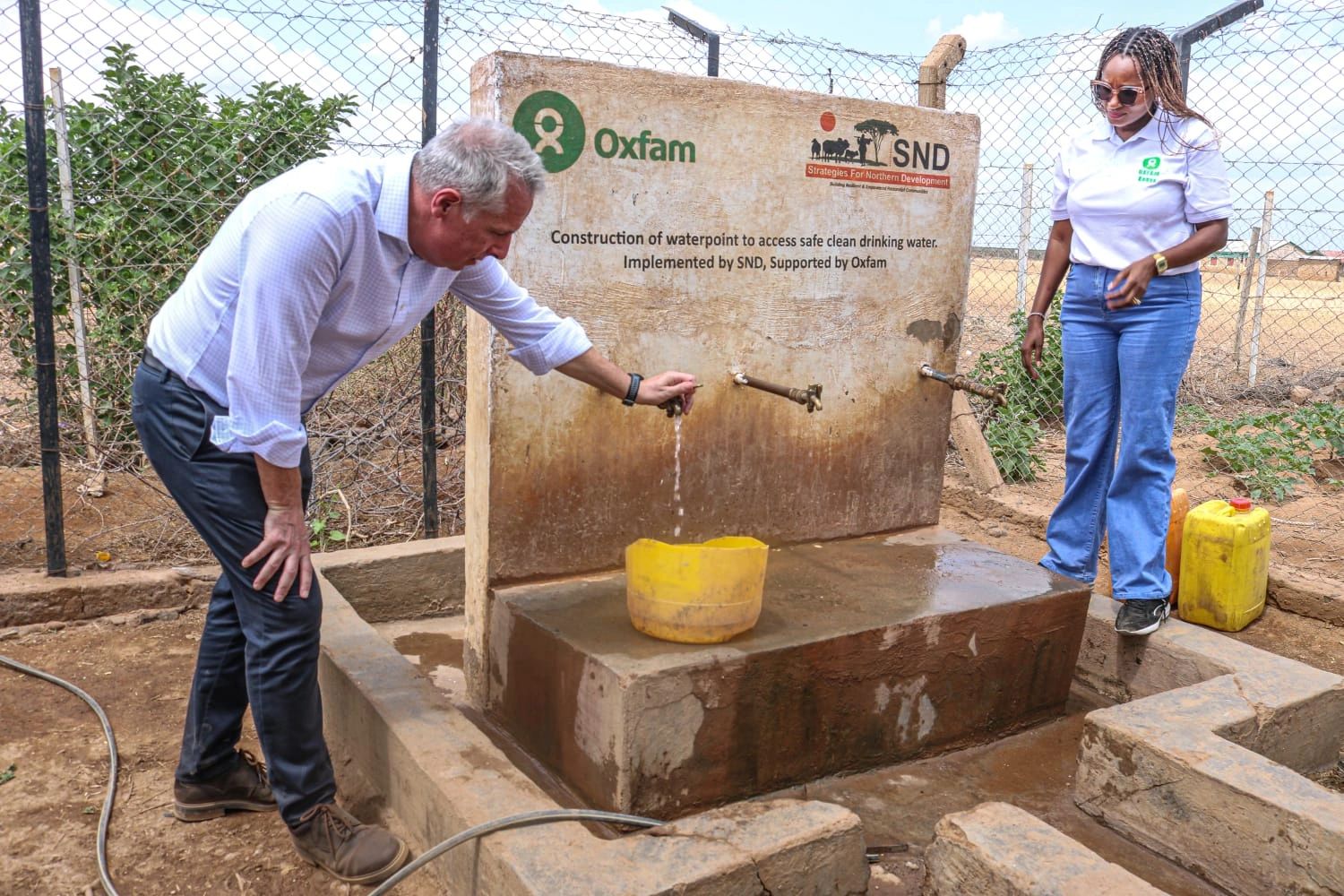
Beyond supporting agricultural production, the initiative has also improved access to water for surrounding households.
A community water point established closer to people's homes has reduced the distance families previously travelled in search of water.
For many households in drought-prone areas, accessing water has traditionally involved long journeys, consuming valuable time and energy that could otherwise be spent on household responsibilities, education and income-generating activities.
The new water point has brought essential services closer to residents, easing the burden associated with water collection and improving convenience for families.
Improved water access also strengthens the community's capacity to cope with prolonged dry conditions while supporting better living standards.
Women at the Centre of Community Resilience
The progress made by the Biqiltu Women's Group highlights the important role women play in driving livelihood recovery and strengthening household resilience.
By identifying alternative income-generating activities and actively participating in agricultural production, the women are demonstrating how community-led solutions can create opportunities for economic empowerment.
Vegetable farming provides an opportunity to diversify household income while improving access to nutritious food. Feedlotting, identified by community members as another alternative livelihood, offers additional opportunities to strengthen livestock-related economic activities.
The initiative reflects a shift towards livelihood diversification, recognising that dependence on a single source of income can leave households particularly vulnerable to drought, livestock losses and other climate-related shocks.
Supporting women with the necessary resources, infrastructure and opportunities enables them to take a more active role in household economic decisions and community development.
Partnerships Driving Sustainable Recovery
The collaboration between Oxfam Kenya, Oxfam Great Britain and SNDAfrica demonstrates the importance of partnerships in supporting communities recovering from climate-related emergencies.
Rather than focusing solely on immediate humanitarian assistance, the intervention has supported community members to identify practical solutions that address the underlying vulnerabilities affecting their livelihoods.
The recent field visit to Rawana provided an opportunity for the partners to appreciate the progress made since the initial investment and hear directly from beneficiaries about the impact of the intervention.
The thriving farms and improved water infrastructure demonstrate the potential of combining community knowledge with targeted investments to achieve lasting development outcomes.
The experience also reinforces the importance of involving communities in identifying their priorities and designing interventions that respond to their specific needs.
Building Resilience Beyond Drought Recovery
Marsabit County remains vulnerable to recurrent droughts, water scarcity and climate variability, making livelihood diversification and sustainable natural resource management essential for long-term resilience.
The progress in Rawana offers an example of how investments in water infrastructure, climate-smart agriculture and women-led economic activities can help communities recover from drought while preparing for future challenges.
By supporting alternative livelihoods, improving access to water and strengthening local initiatives, Oxfam and its partners are contributing to efforts to build more resilient communities in northern Kenya.
For members of the Biqiltu Women's Group, the thriving farms represent more than improved agricultural production. They reflect the possibilities that emerge when communities have the resources and opportunities to turn their ideas into practical solutions.
The transformation in Rawana underscores a key lesson in sustainable development: lasting recovery is strongest when communities are empowered to lead their own solutions, supported by partnerships that provide the infrastructure, knowledge and resources needed to make those solutions work.