
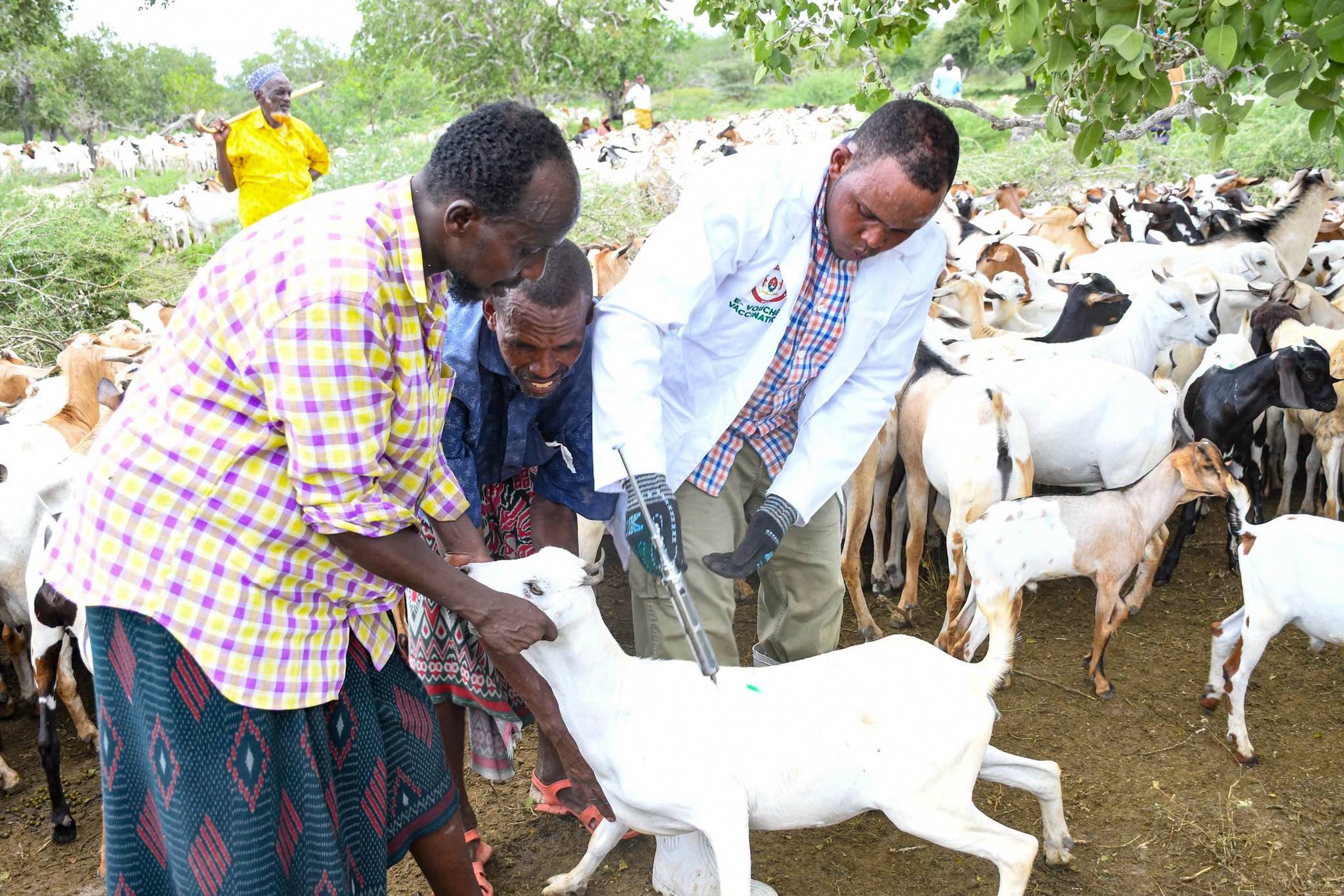
Pastoralists in Garissa County will access livestock vaccines at a subsidised cost of KSh3 per dose following a new partnership between the county government, development partners and private animal health service providers.
Garissa County has introduced a private sector-led e-voucher programme to expand livestock vaccination, address vaccine shortages and strengthen disease prevention across pastoralist communities.
The initiative, implemented in partnership with the Regional Livestock Programme and Prosper Global, is targeting Sangailu, Ijara and Masalani wards while supporting sustainable livestock health services and pastoralist livelihoods.
Pastoralist communities in Garissa County are set to benefit from more affordable and accessible livestock vaccination services following a new partnership between the county government, development partners and private animal health service providers.
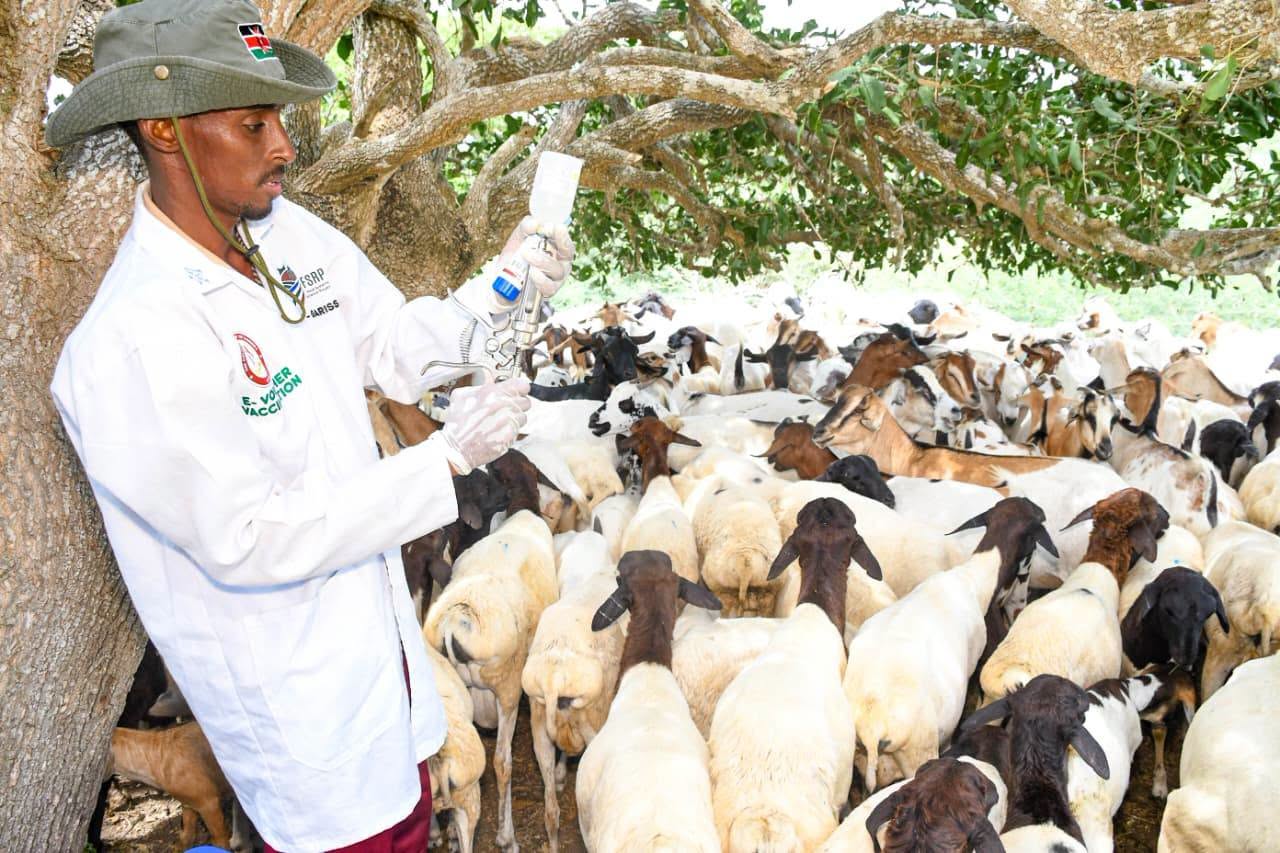
Under the initiative, livestock owners will access vaccines at a subsidised cost of KSh3 per dose, down from the standard price of KSh13, in a move aimed at strengthening disease prevention, protecting livestock assets and safeguarding pastoralist livelihoods.
The programme is being implemented by the County Department of Livestock and Veterinary Services in partnership with the Regional Livestock Programme (RLP) and the Incentivizing Collective Action for Rangeland Regeneration (ICARR), implemented by Prosper Global, formerly Mercy Corps.
The initiative adopts a private sector-led distribution model through an e-voucher programme that brings local Private Animal Health Service Providers (PAHSPs) into the frontline of livestock vaccination, complementing existing government efforts.
Under the arrangement, participating PAHSPs source vaccines directly from the Kenya Veterinary Vaccines Production Institute (KEVEVAPI) and other approved suppliers before distributing them to pastoralist communities.
The government reimburses participating service providers KSh15 for every vaccine dose sold and administered through the programme, creating an incentive for private businesses to expand access to essential animal health services.
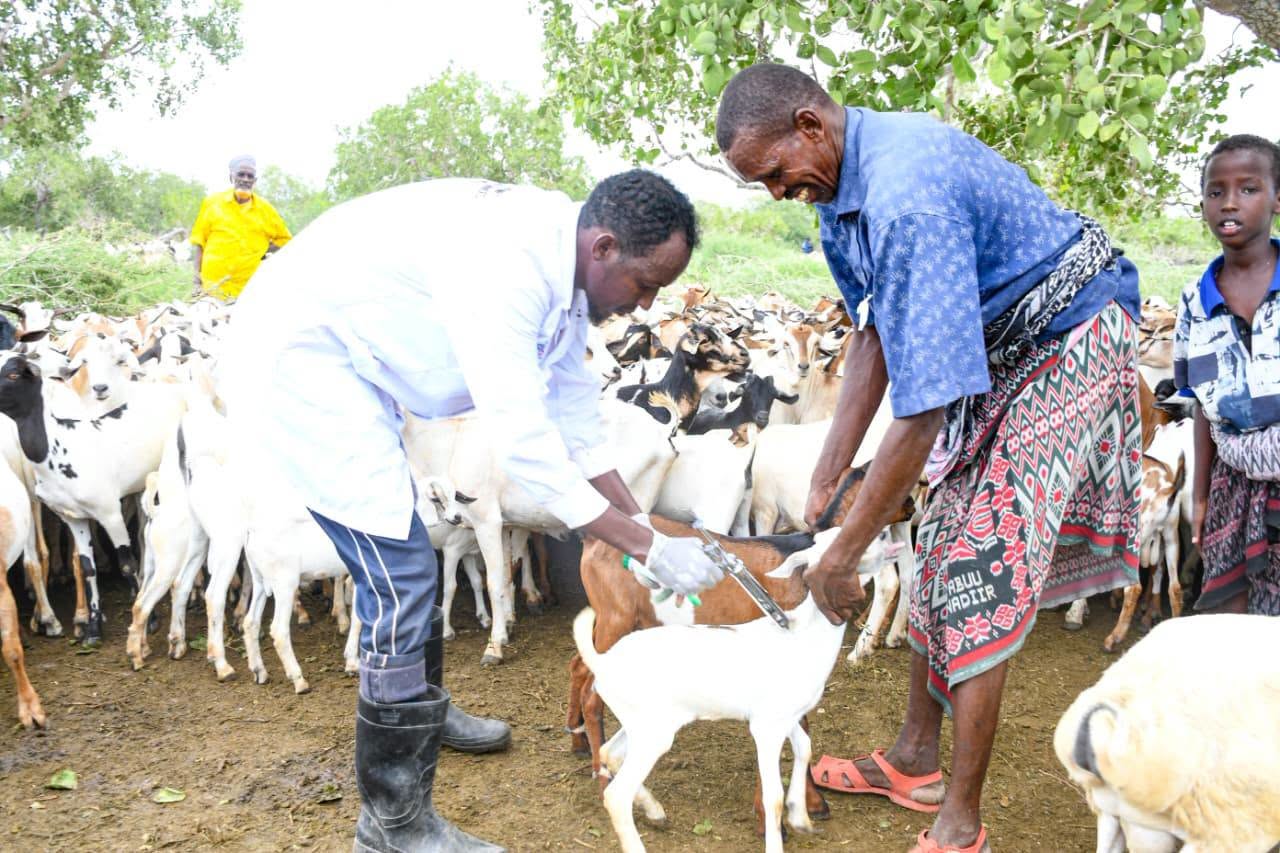
The model is designed to address the challenges of high vaccination costs, limited government vaccine stocks and the difficulties pastoralists face in accessing veterinary services, particularly in remote areas.
Speaking during the rollout, Director of Livestock Services Dr. Haret Hambe said the partnership would strengthen the county's capacity to sustain livestock vaccination services throughout the year, even when government vaccine supplies are limited.
He noted that engaging private animal health providers would create an additional and reliable distribution channel, ensuring pastoralists continue accessing essential vaccines while strengthening the delivery of animal health services across the county.
The ongoing vaccination campaign covers Sangailu, Ijara and Masalani wards, where increased livestock movement and the convergence of animals from different parts of the county following the onset of rains have heightened the risk of disease transmission.
Reports of pockets of disease outbreaks in some areas have further necessitated intensified preventive interventions to protect livestock and minimise potential losses among pastoralist households.
Beyond vaccination, the exercise incorporates treatment of sick animals, vector control, animal health extension services and site-level disease surveillance to support early detection and timely response to emerging outbreaks.
The partnership is also opening new opportunities for local Private Animal Health Service Providers by improving their access to quality vaccines from recognised and approved suppliers.
Previously, some local providers relied on suppliers in Nairobi, where difficulties in verifying product sources and quality raised concerns about the vaccines available to pastoralist communities.
Through the new arrangement, providers can access vaccines from reputable suppliers, particularly KEVEVAPI, enhancing confidence in the products they distribute and improving the quality of services offered to livestock owners.
Regional Livestock Programme Manager and Prosper Global Garissa Field Office Head, Mr. Siyat Moge, said the initiative reflects a deliberate shift towards strengthening private sector participation in routine livestock vaccination and building sustainable animal health delivery systems.
He noted that the partnership seeks to establish a model in which private providers take a greater role in service delivery, while the government maintains regulation, oversight and institutional support.
According to Moge, strengthening collaboration between county governments, development partners and local businesses will ensure communities continue accessing essential services beyond the lifespan of individual development projects.
The vaccination campaign forms part of a broader strategy to strengthen pastoralist livelihoods and improve the resilience of communities that depend on livestock for their economic well-being.
Alongside the animal health interventions, the Department of Livestock and Veterinary Services, through the ICARR programme implemented by Prosper Global, is supporting Rangeland Management Committees to coordinate livestock movements and promote sustainable grazing practices.
The combined interventions seek to protect livestock health, preserve rangeland resources and strengthen the capacity of pastoralist communities to withstand climate-related and economic shocks.
The response from pastoralist communities has been encouraging, with livestock owners turning up in large numbers and presenting sizeable herds for vaccination. Some have called for the exercise to be extended to allow more animals to benefit from the programme.
By combining public sector oversight, private sector distribution and subsidised vaccine access, Garissa County is advancing a collaborative approach to strengthening animal health services and supporting local enterprise development.
For pastoralist households, healthier livestock translate into more secure sources of income, sustained access to milk and meat, and reduced vulnerability to financial losses associated with disease outbreaks.