
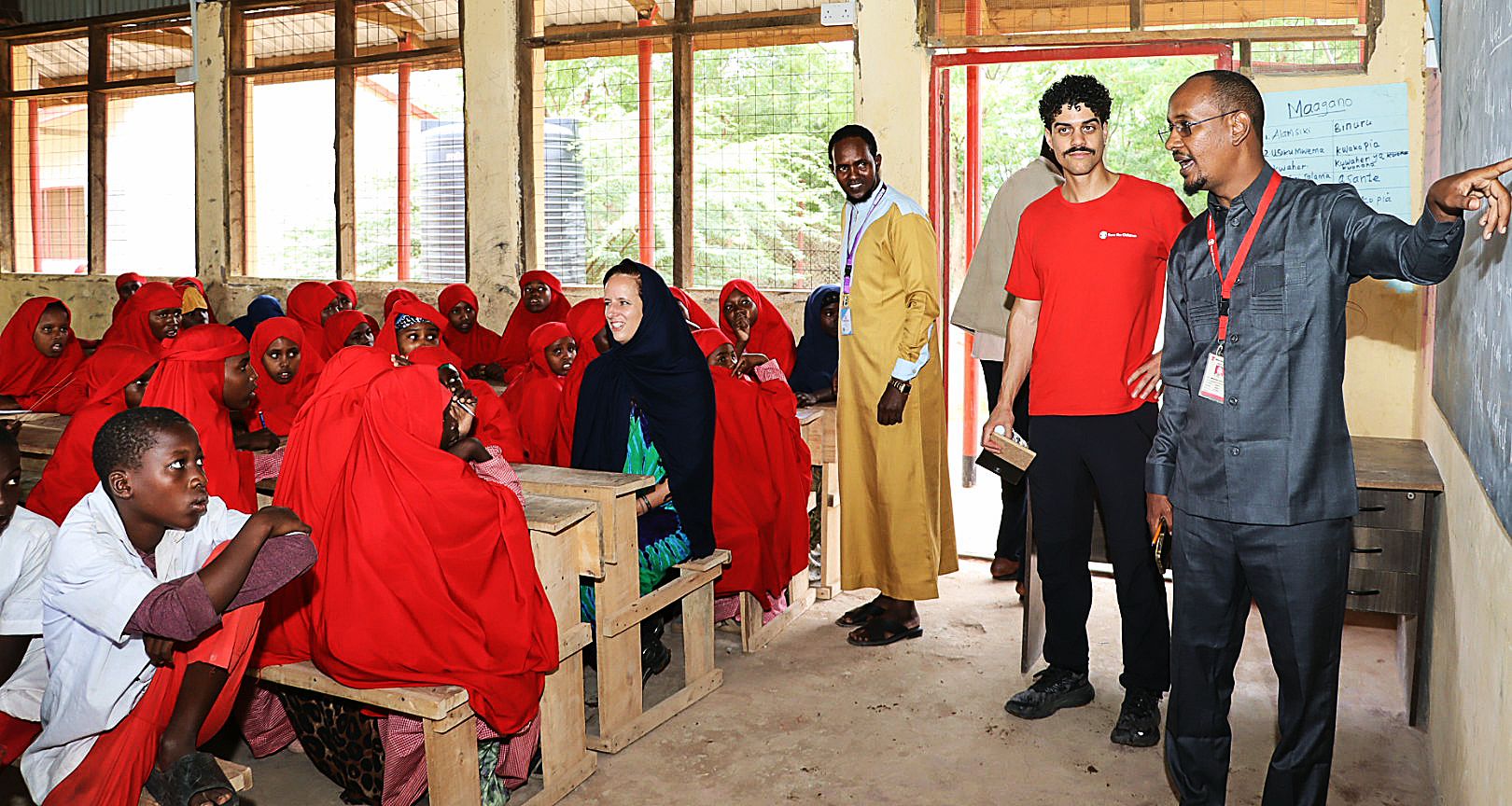
Refugee teachers in Dadaab and Kakuma are calling for TSC recognition, better pay and equal access to professional development opportunities.
Through TeachWell Voices, refugee teachers are strengthening classroom practices, building professional networks and advocating for inclusion in Kenya’s education system.
Learners and school leaders in Dadaab and Kakuma describe how teacher training, encouragement and inclusive teaching are improving classroom experiences.
Refugee teachers in Dadaab and Kakuma are calling for professional recognition, better pay and equal access to career development opportunities, saying their contribution to educating children in refugee settings deserves greater support.
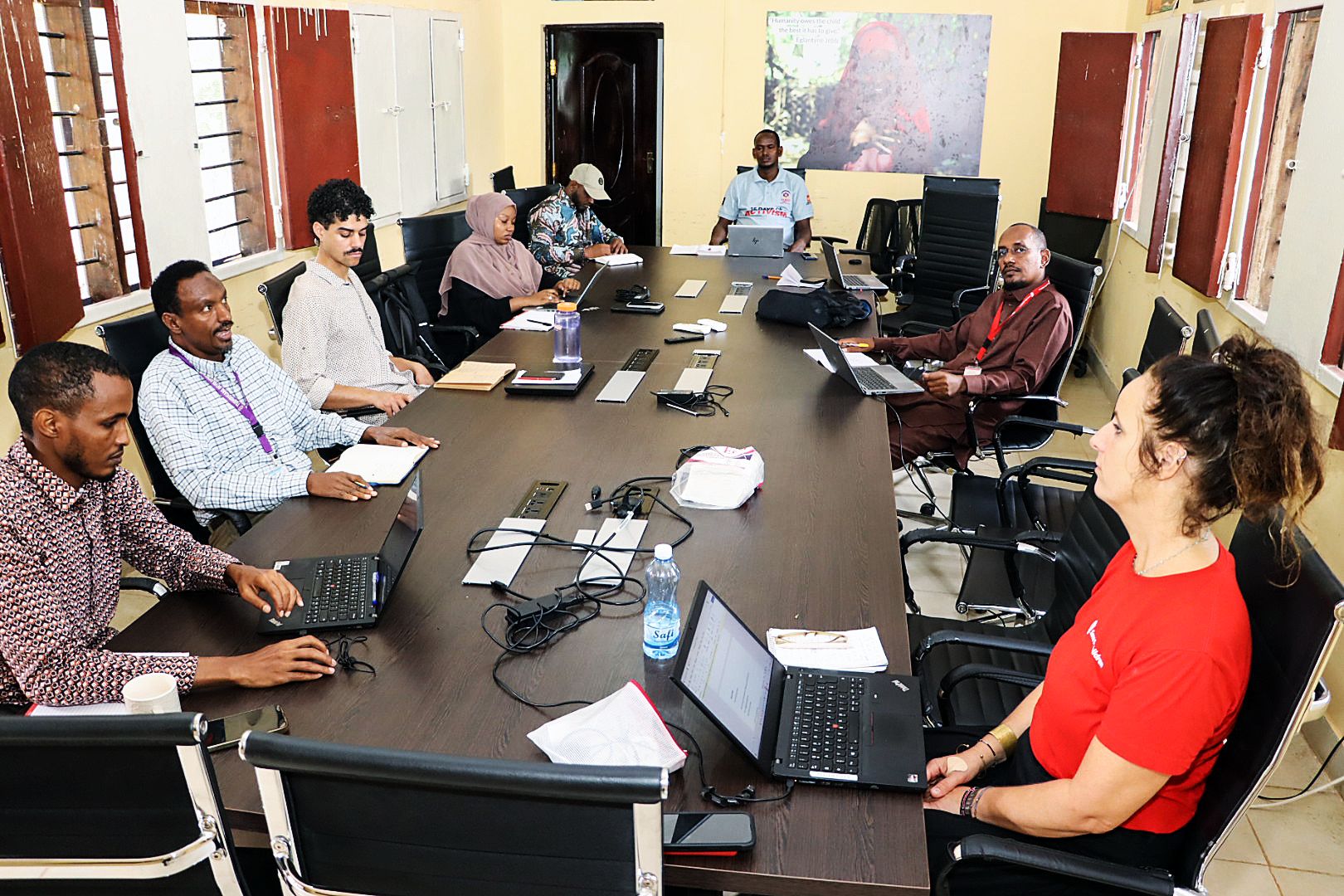
Speaking to Save the Children Kenya through the TeachWell Voices project, teachers described the challenges of working without Teachers Service Commission (TSC) registration, alongside limited access to opportunities available to their Kenyan counterparts.
Their accounts, supported by testimonies from learners and school leaders, highlight the role refugee teachers play in sustaining education and how training, professional networks, and greater inclusion are improving classroom experiences.
Leila, a refugee teacher in Dadaab, identified recognition as a central concern.
“Most refugee teachers are not recognised. They do not have the TSC number,” she said.
For Leila, recognition is closely tied to fair treatment and a clearer professional future.
“I hope that the teachers will be recognised by TSC so that we receive the same planning, the same salary, the same ambition and goals just like the other national teachers.”
Her appeal reflects concerns raised by Yusuf, another refugee teacher in Dadaab, who said he has lived in the camp since 1992.
“Refugee teachers, we normally take little pay compared to the Kenya national teachers. There are a lot of programs that the Kenya national teachers get compared to refugee teachers,” Yusuf said.
These testimonies point to concerns about remuneration, access to professional development and the ability of refugee teachers to build careers within the education system.
School leaders and teachers described refugee educators as essential to the continued operation of schools in the camps.
Abdi, a head of institution in Dadaab, illustrated the extent of that reliance through the staffing situation at his school.
“This school is very large. We have 20 teachers and out of these 20 teachers, only two are Kenyans,” he said.
Simon Aperi, a refugee teacher from South Sudan working in Kakuma, said Kenyan teachers alone would not be enough to meet the educational needs of refugee learners.
“Life in refugee camps, if we do not have refugee teachers, things will not be good. The national teachers will not be enough to teach in refugee schools,” he said.
Beyond their contribution to staffing, refugee teachers also help learners overcome language barriers.
Sunsest, a learner in Kakuma, said teachers who share learners’ languages can provide explanations that make lessons easier to understand.
“Our teachers who are refugees can correct us if we don’t know how to speak English or Kiswahili. They can talk to you in the language that you understand,” the learner said.
That ability to communicate across languages offers practical support to children as they develop their English and Kiswahili skills and engage with classroom learning.
Through TeachWell Voices, teachers described gaining access to professional development and platforms that allow them to learn from colleagues and strengthen their teaching.
Yusuf said engagement through the Kenya Primary School Headteachers Association (KEPSHA) had helped him develop skills in instructional leadership, inclusive education and school development.
“As a teacher, now I prepare for my lessons well and I can also use learner-centred approaches and my learners are encouraged to participate in terms of classwork,” he said.
His experience shows how professional learning can translate into changes in lesson preparation and classroom participation.
Ruth, a head of institution in Kakuma, also credited the programme’s capacity-building activities with strengthening teachers’ abilities and helping schools manage their workload.
“They have been well trained and most of them are just teaching equally like the professional teachers. So they reduce the workload,” she said.
Abdi said the project was also supporting opportunities for qualified refugee teachers to pursue diplomas, alongside advocacy for their recognition and TSC registration.
He described these efforts as a source of changing expectations among refugee teachers about their social and economic prospects. His account presented registration as an outcome the project is advocating for, rather than a confirmed result for all participating teachers.
Geoffrey Tanui, Deputy Team Lead for TeachWell Voices, said participation in national professional platforms carried significance beyond the training itself.
He explained that engagement with KEPSHA was helping refugee teachers gain confidence and experience acceptance from their professional colleagues.
“Initially, they have not had chances to be part of their national teachers’ platforms. So, being part of these platforms amplifies the voice of the refugee teachers,” Tanui said.
Teachers are also organising peer networks to exchange knowledge, discuss classroom challenges and strengthen their collective advocacy.
Salam, a refugee teacher in Kakuma, said the community of practice creates opportunities for teachers to identify areas where they can improve and learn from one another.
“The refugee teacher practice brings refugee teachers together to share their experiences and if there is any room for improvement as an individual, you can come and learn from your colleague,” Salam said.
Yusuf said refugee teachers in Dadaab had similarly come together through a community of practice to raise their concerns and support the push for recognition and inclusion in Kenya’s education system.
These networks give teachers a space to share practical experience while articulating the professional opportunities they hope to access.
For learners, the effects of teacher support are reflected in everyday interactions: clearer explanations, encouragement, patience and opportunities to ask for help.
Ibrahim, a learner in Dadaab, said he had noticed positive changes when teachers returned from training organised by Save the Children.
He described them as happier and more motivated, adding that they improved aspects of their classroom practice after taking part in the training.
Sifa, a learner in Kakuma, praised teachers for taking time to ensure children understood their lessons.
“I love our teachers because they teach us well until we understand everything. When exam time comes, we pass,” Sifa said.
In Dadaab, Faiza highlighted the encouragement and kindness she receives from her teachers.
“What I like about my teachers is they encourage us and also they are kind to us,” she said.
Hubba, another learner in Dadaab, said teachers remained approachable when children needed additional explanations.
“Our teachers are friendly. During class time, if you have not understood something, you got to the teacher after class for an explanation and you understand very well,” Hubba said.
For Gladys, a learner in Kakuma, the experience has helped shape her own ambitions.
“When I grow up, I want to be a teacher to teach learners the knowledge that I have and help them to understand,” she said.
The teachers’ accounts come alongside Save the Children Kenya’s wider work to support education in refugee settings.
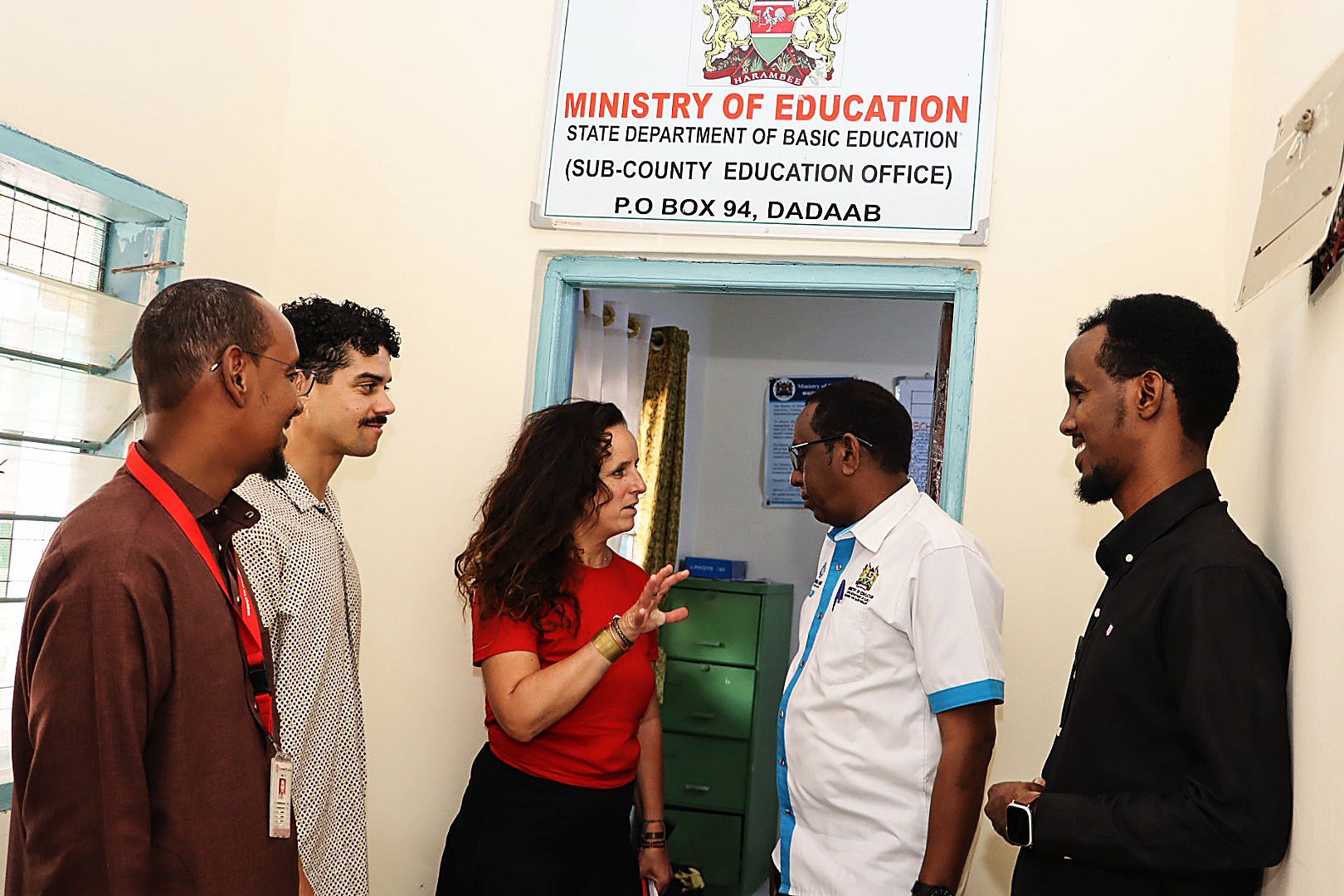
In a separate update, the organisation said it welcomed colleagues from Save the Children Deutschland to Dadaab to observe European Commission-supported Education in Emergencies programming.
The visiting team joined field staff, local partners, consortium members and Community School Safety Committees to see interventions designed to help children continue learning despite difficult circumstances.
These included Accelerated Learning Centres, which provide learners with second chances to access education, and Anticipatory Action systems that help schools prepare for and respond to climate-related hazards before they strike.
Save the Children Kenya said its work with partners and communities seeks to ensure children, particularly those living in refugee settings, remain safe, stay in school and continue learning during crises.
Despite the progress teachers and learners described, school leaders said the push for professional recognition must continue.
Osman, a head of institution in Dadaab, urged TeachWell Voices to sustain its advocacy until refugee teachers’ concerns about TSC registration are addressed.
“We are feeling that something has started,” he said, calling on the programme to continue working towards refugee teachers being given TSC numbers.
The testimonies present both the contribution refugee teachers already make and the opportunities they are seeking: recognition of their qualifications, fairer remuneration, access to professional learning and a stronger voice in the education system.
For the children they teach, those ambitions are closely linked to the quality and continuity of their education—and, for learners such as Gladys, the possibility of one day standing at the front of a classroom themselves.