
Turkana County is developing regulations to operationalise its Peacebuilding and Conflict Management Act, 2022, strengthening coordination, accountability and inclusive responses to conflict.
A review of Turkana’s draft peacebuilding regulations has called for greater recognition of women, youth and grassroots institutions in conflict prevention and resolution.
Supported by International Alert Horn of Africa and DCA Kenya, Turkana County is advancing regulations to translate its landmark peacebuilding law into practical action.
Turkana County has stepped up efforts to operationalise its Peacebuilding and Conflict Management Act, 2022, through the development of regulations aimed at strengthening the county’s peacebuilding structures and improving responses to conflict.
The county was among the first devolved units in Kenya to enact dedicated legislation on peacebuilding and conflict management. The law provides a framework for preventing, managing and resolving conflicts while promoting peaceful coexistence among communities.
However, the effectiveness of the landmark legislation will largely depend on the establishment of clear regulations to guide its implementation.
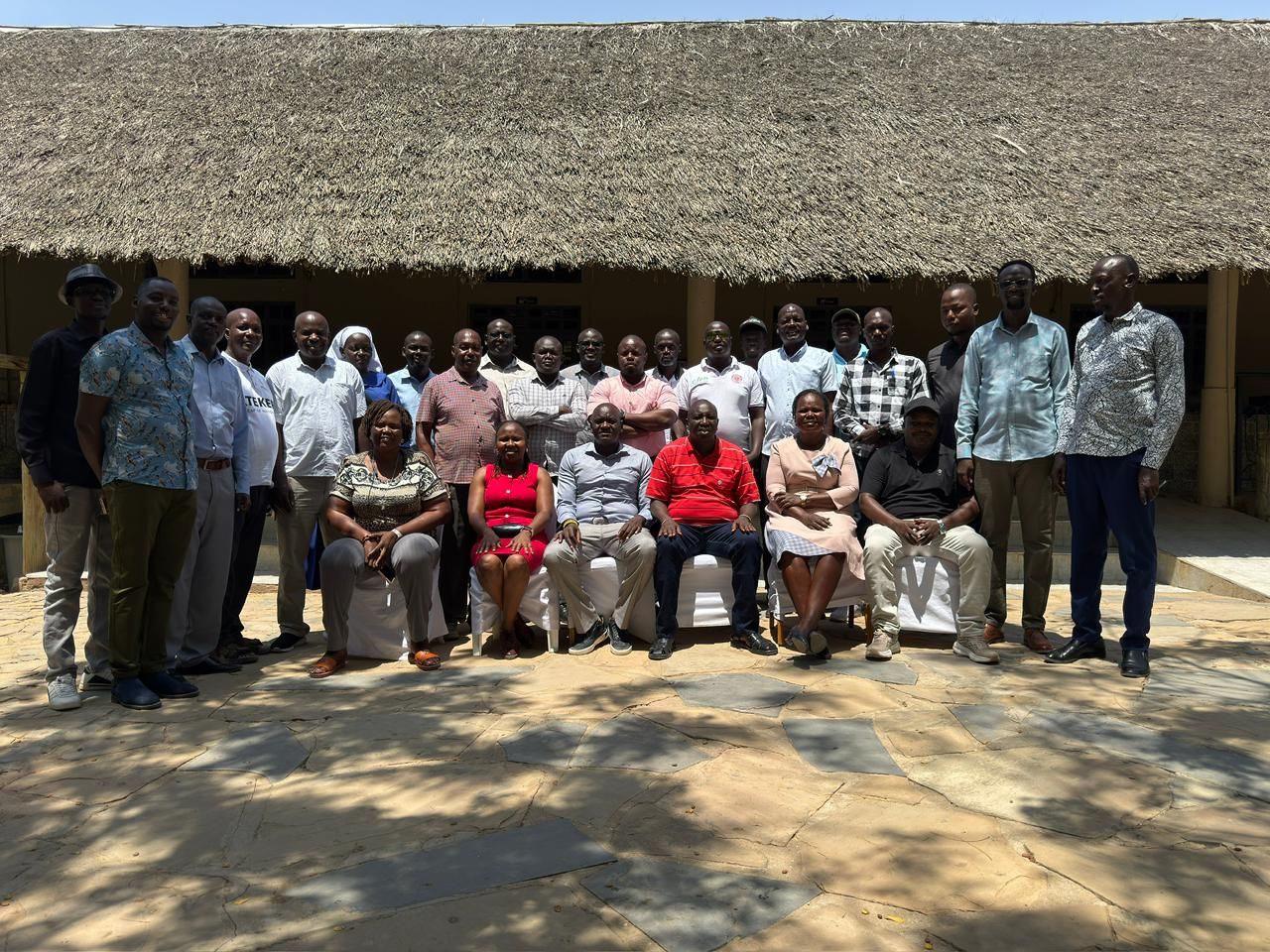
International Alert Horn of Africa and DCA Kenya recently supported the Turkana County Peacebuilding Directorate in reviewing the draft regulations that will operationalise the Act. The exercise also involved representatives from the Kenya Law Reform Commission and the Turkana County Attorney’s Office.
The review sought to ensure the proposed regulations clearly define how peacebuilding institutions and structures will operate at different levels across the county. Participants also examined measures for strengthening coordination, accountability and inclusivity in peacebuilding and conflict-management processes.
Once adopted, the regulations are expected to translate the provisions of the Act into practical procedures, responsibilities and institutional arrangements. They will guide the relevant county departments, peace committees, community organisations and other stakeholders involved in conflict prevention and resolution.
One of the key gaps identified during the review was the need for the draft regulations to provide clearer recognition of community-level peace actors.
Women, young people and grassroots institutions play an essential role in identifying emerging tensions, facilitating dialogue, promoting reconciliation and helping communities resolve disputes before they escalate. Their experiences and local knowledge are particularly important in areas affected by competition over water, pasture and other natural resources.
Strengthening their participation in formal peacebuilding structures would help ensure that conflict-management interventions reflect local realities and respond to the needs of the communities most affected.
The review also emphasised the importance of inclusive peacebuilding institutions that recognise the different ways in which climate change, conflict and gender inequalities affect communities in Turkana and neighbouring areas.
Turkana County faces recurring conflicts linked to livestock theft, access to grazing areas, water scarcity, cross-border movement and pressure on natural resources. Climate-related challenges, including prolonged droughts and unpredictable rainfall, can intensify competition over limited resources and increase tensions among pastoralist communities.
Women and young people are often disproportionately affected by these conflicts but remain underrepresented in formal decision-making and peacebuilding processes. Incorporating their perspectives into the regulations could strengthen early-warning systems, improve community ownership and promote more sustainable solutions.
Following the review, a technical team drawn from the Turkana County Peacebuilding Directorate and the County Attorney’s Office will refine the draft regulations. The revised document will then be presented for stakeholder validation before proceeding to the County Cabinet for approval and eventual adoption by the County Assembly.
The validation process is expected to provide communities, civil society organisations, government agencies and other stakeholders with an opportunity to contribute to the final regulations.
The initiative is being undertaken through the Addressing the Intersection of Climate, Conflict and Gender in the Omo–Turkana Borderlands project, funded by the Austrian Development Agency.
The project seeks to strengthen gender-inclusive and responsive peacebuilding institutions across the Turkana–South Omo borderlands. It recognises that sustainable peace in the region requires coordinated action that addresses conflict risks alongside climate pressures and gender inequalities.
By advancing the regulations, Turkana County is moving closer to fully implementing its Peacebuilding and Conflict Management Act and establishing a more coordinated, accountable and community-driven framework for peacebuilding.
The process also demonstrates the importance of complementing legislation with practical implementation mechanisms that empower communities and enable peace institutions to function effectively.