
Turkana County plans to rehabilitate Turkwel Earth Dam in Loima to improve irrigation water supply and support agricultural livelihoods for more than 1,400 residents.
Farmers from Napool, Nanye and Tisa irrigation schemes have been engaged in consultations on the proposed Turkwel Earth Dam rehabilitation, focusing on water security, environmental safeguards and community participation.
Turkana County has established a seven-member committee to oversee community engagement in the proposed Turkwel Earth Dam rehabilitation amid concerns over flooding, safety and environmental risks.
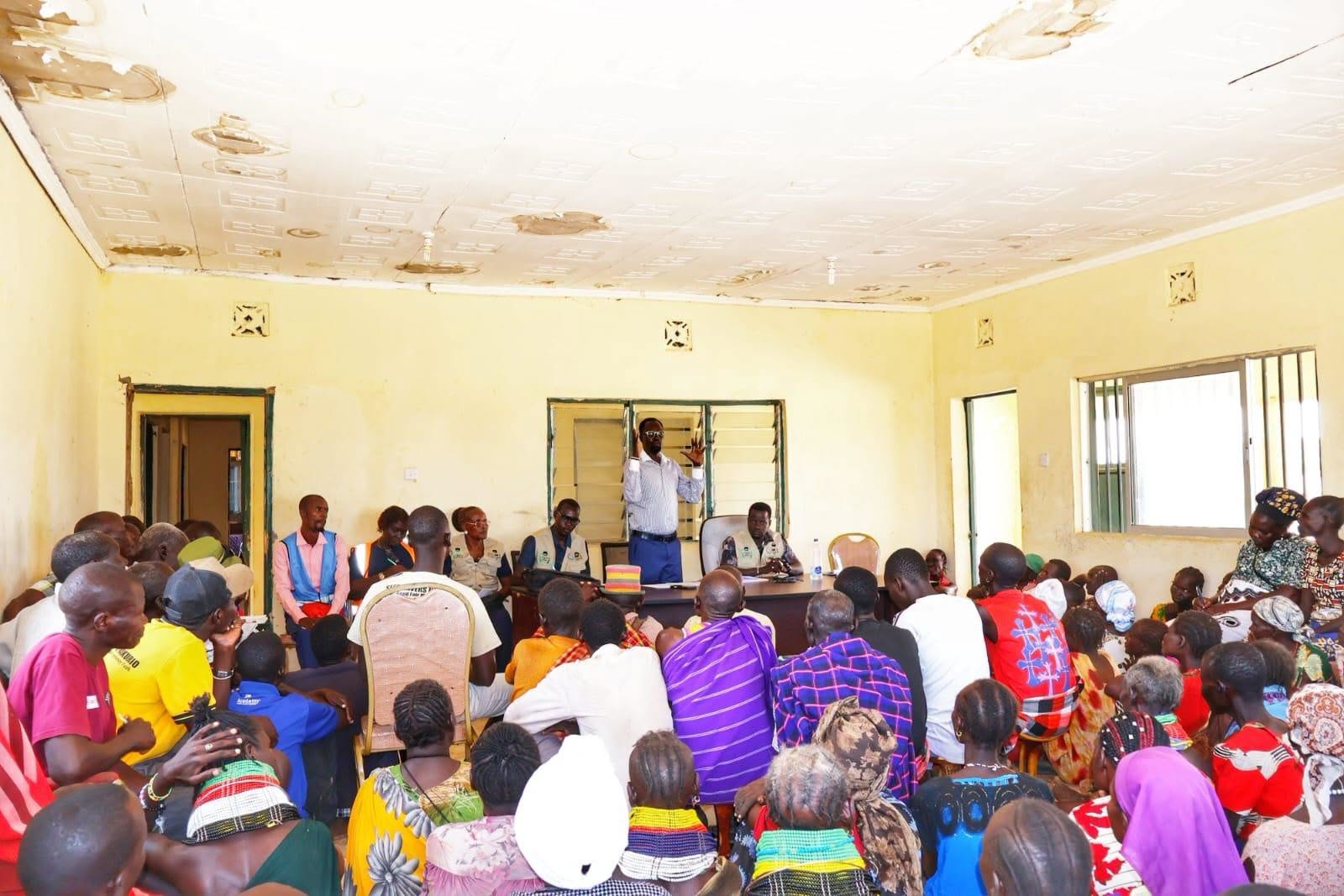
The Turkana County Government has initiated community consultations on the proposed rehabilitation of Turkwel Earth Dam in Loima Sub-County, a project expected to improve water availability for irrigation farming and strengthen the livelihoods of more than 1,400 residents who depend on three irrigation schemes.
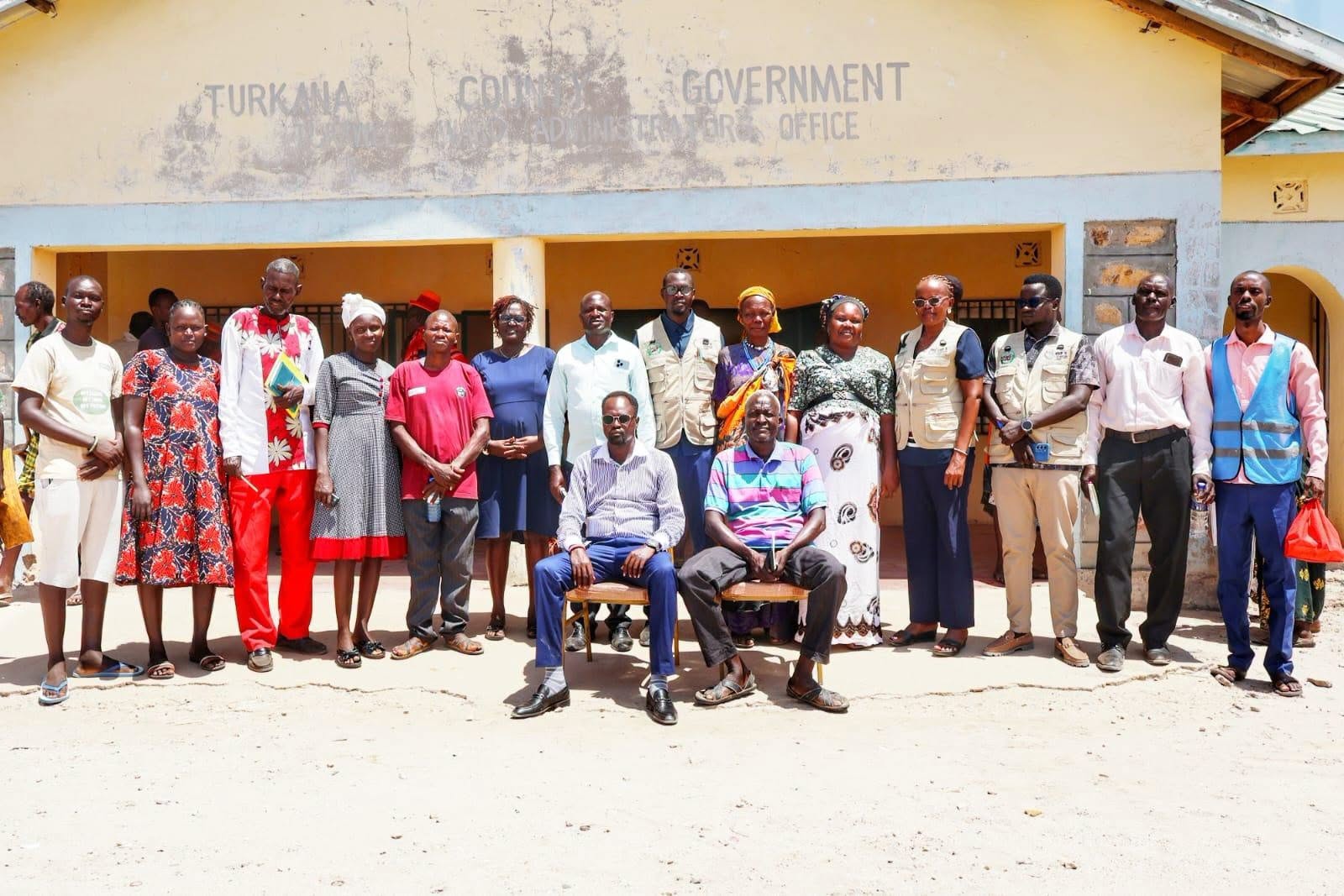
The proposed rehabilitation, being undertaken through the Kenya Devolution Support Programme II (KDSP II), seeks to address water supply challenges affecting agricultural activities in the Napool, Nanye and Tisa irrigation schemes.
As part of the project's preparatory activities, the county government engaged local communities in discussions focusing on public participation, environmental and social screening, voluntary land donation and the establishment of mechanisms to ensure community involvement throughout implementation.
According to the county government, the consultations provided residents with an opportunity to understand the proposed rehabilitation, raise concerns and contribute to decisions that could affect their livelihoods, land use and access to water resources.
The engagement also sought to ensure that potential environmental and social risks associated with the proposed project are identified and addressed before rehabilitation works begin.
Over 1,400 Residents Expected to Benefit
The proposed rehabilitation of Turkwel Earth Dam is expected to improve access to irrigation water for more than 1,400 people who rely on agricultural activities supported by the Napool, Nanye and Tisa irrigation schemes.
For farming communities in Loima, reliable access to water is an important factor in sustaining agricultural production, improving household food availability and supporting income-generating activities.
Turkana County experiences significant water-related challenges, with recurring droughts and unpredictable rainfall affecting agricultural productivity and the livelihoods of communities that depend on farming and livestock keeping.
The proposed dam rehabilitation is intended to strengthen local water infrastructure and improve the availability of water for irrigation, potentially enabling farmers to sustain agricultural activities during periods of reduced rainfall.
Improved water storage and distribution could also help farmers reduce their dependence on seasonal rainfall, providing opportunities for more consistent crop production and improved household incomes.
The county government views the project as part of broader efforts to strengthen agricultural resilience and support sustainable livelihoods in areas facing persistent water scarcity.
However, the anticipated benefits will depend on successful implementation, appropriate environmental safeguards and effective long-term management of the rehabilitated dam.
County Emphasises Community Participation
Speaking during the community engagement, KDSP II Programme Coordinator Lodoso Gabriel emphasised the importance of involving residents in project planning and implementation.
He explained that community participation would help ensure that the proposed rehabilitation responds to local priorities while addressing concerns that could affect its sustainability.
"The project should deliver lasting benefits to the people of Turkana County by improving water availability for irrigation and ensuring the dam is sustainably managed for future generations," Lodoso said.
He highlighted the need for continued engagement between the project implementation team and beneficiary communities to promote transparency, accountability and shared responsibility.
Community involvement is particularly important for water infrastructure projects because their success often depends on local ownership, appropriate maintenance arrangements and cooperation among users.
Through the consultations, residents were encouraged to share their expectations, identify potential challenges and participate in discussions on how the dam could be managed sustainably.
The county government also sought to clarify the roles of different stakeholders during project preparation and implementation.
Proposed Dam Project Classified as High-Risk
Environmental and social safeguards emerged as a major focus of the consultations after the proposed Turkwel Earth Dam rehabilitation was classified as a high-risk project.
KDSP II Environmental Safeguards Focal Person Ekadeli Philemon explained that the classification underscores the need to carefully assess potential environmental and social impacts before implementation.
He noted that appropriate safeguards must be established to identify, prevent, minimise and manage risks associated with the proposed rehabilitation.
Such risks may include concerns relating to land use, community safety, water management and potential flooding, depending on the findings of the project's environmental and social assessments.
The classification makes comprehensive screening and appropriate risk-management measures particularly important in determining how the rehabilitation should proceed.
Philemon also explained the importance of involving local communities in identifying potential risks and developing measures to address them.
The county government indicated that environmental and social screening would form part of the project preparation process to ensure that relevant concerns are considered before construction activities commence.
The consultations also provided an opportunity for residents to understand how grievances arising during project preparation and implementation would be handled.
Farmers Call for Dam Fencing and Flood Protection
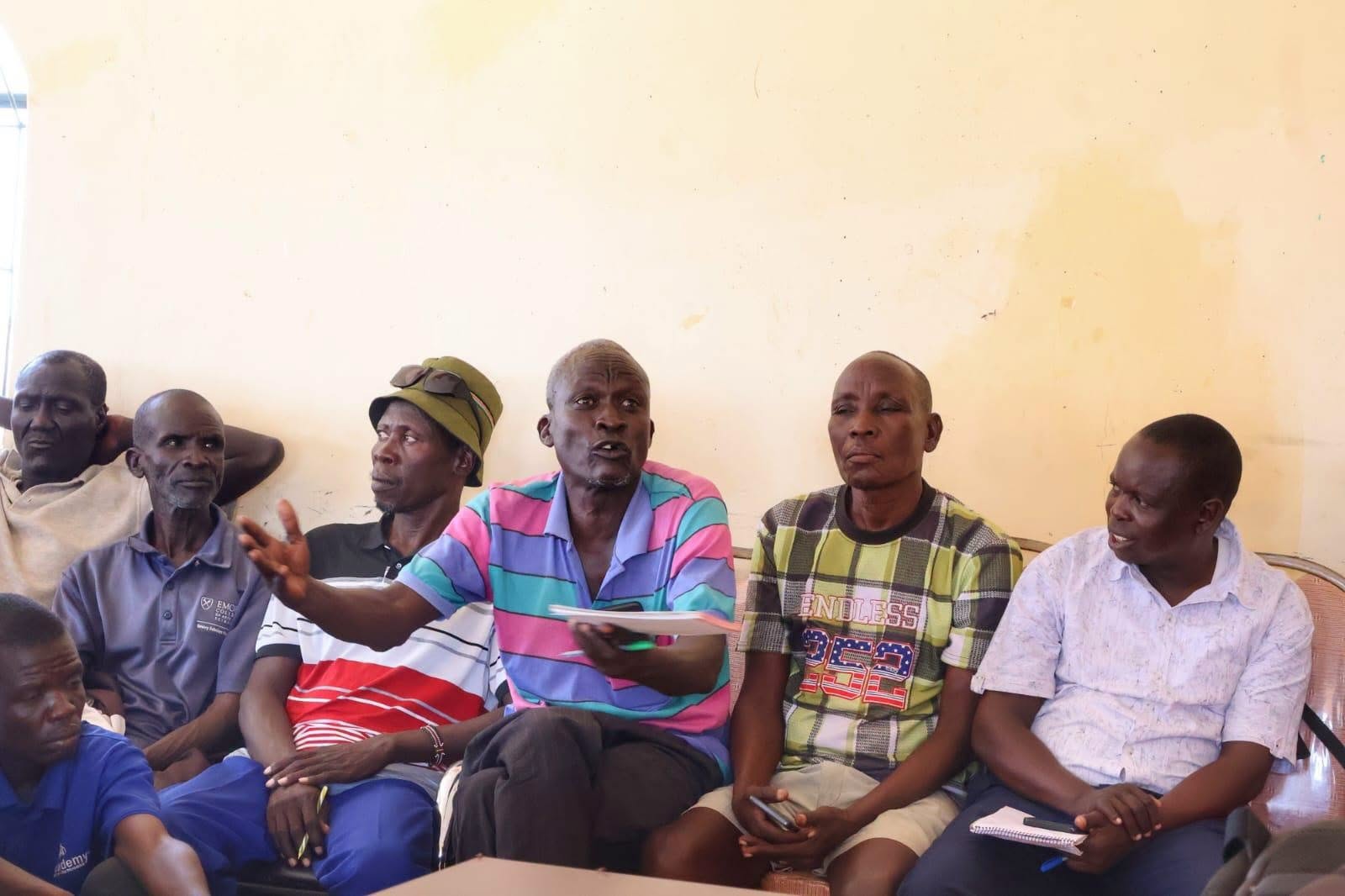
During the engagement, community representatives raised concerns about safety and the structural integrity of the proposed rehabilitated dam.
Francis Esibitar, Chairperson of the Tisa Irrigation Scheme and a community representative, appealed to the county government to incorporate adequate safety measures into the project's design.
He specifically called for the proposed earth dam to be fenced to protect residents and reduce the risk of accidents around the water infrastructure.
Esibitar also urged the project implementation team to adopt modern engineering designs that would strengthen the dam's embankments and minimise the possibility of flooding.
His concerns highlighted the importance of ensuring that the proposed rehabilitation addresses not only water storage capacity but also the safety of surrounding communities and agricultural land.
Poorly designed or inadequately maintained water infrastructure can create risks for communities, particularly during periods of heavy rainfall when water levels rise.
The community's proposals therefore underscore the need for appropriate engineering assessments, structural safeguards and long-term maintenance arrangements.
The county government is expected to consider concerns raised during the consultations as the project moves through its preparation and assessment stages.
Seven-Member Committee Formed to Oversee Community Engagement
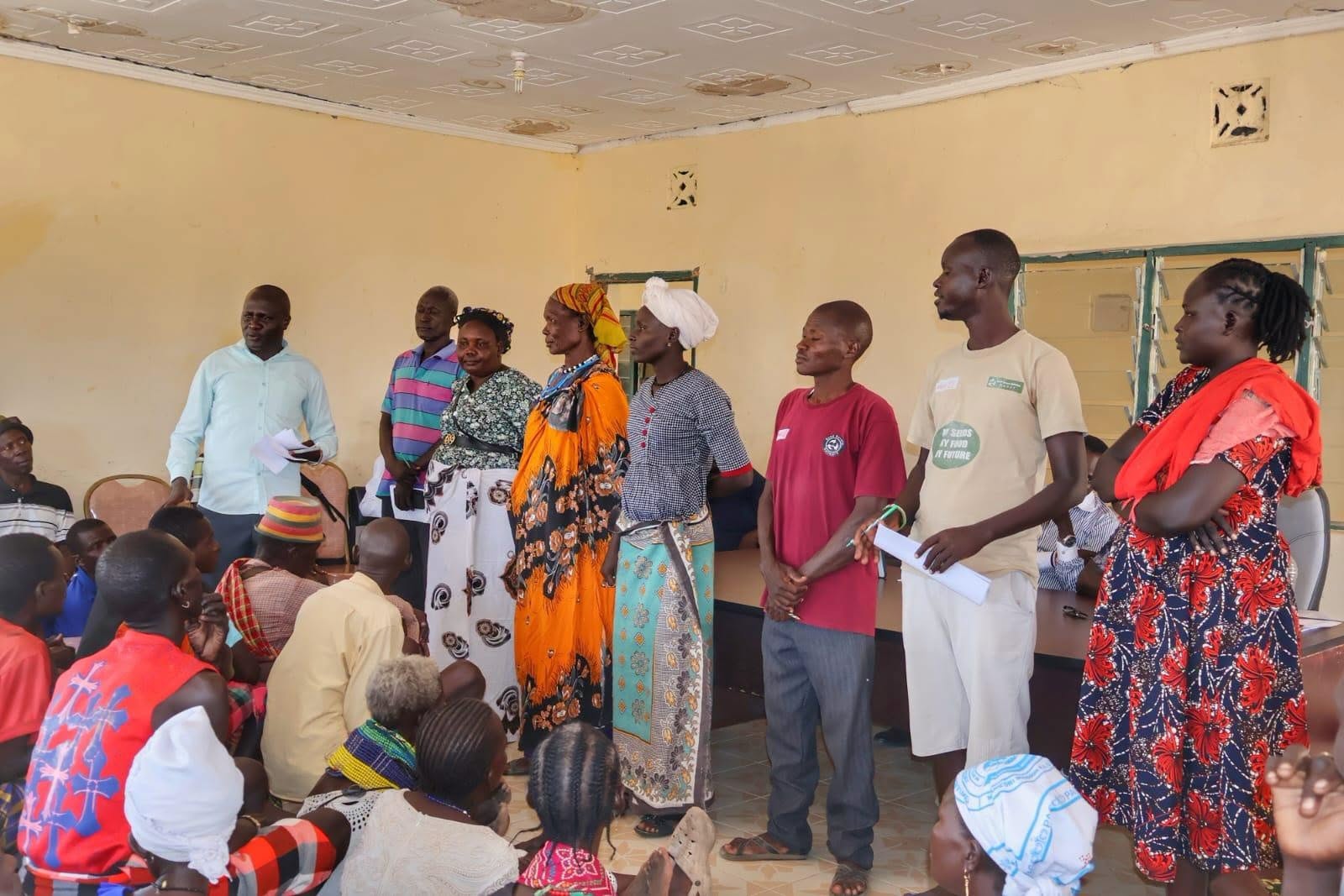
The consultations resulted in the formation of a seven-member Project Management Committee (PMC) to strengthen community participation and oversight throughout the proposed rehabilitation process.
The committee will serve as a link between residents and the project implementation team, facilitating communication and helping address concerns that may arise during project preparation and implementation.
Its responsibilities will include supporting information-sharing, encouraging community participation and facilitating the handling of grievances.
The establishment of the committee is intended to provide residents with a structured mechanism for engaging project officials and raising concerns about implementation.
It is also expected to promote accountability by ensuring that community perspectives are communicated to the relevant authorities.
Philemon explained that the committee would play an important role in strengthening local oversight and supporting grievance management.
For the proposed rehabilitation to deliver sustainable benefits, effective coordination between the committee, irrigation scheme representatives and county officials will be essential.
The committee's work could also help strengthen local ownership of the infrastructure and encourage community participation in its long-term management.
Voluntary Land Donation Forms Issued to Residents
Land availability was another issue addressed during the consultations, with community members receiving voluntary land donation forms relating to the proposed rehabilitation site.
According to the county government, the forms were issued for signing by residents willing to confirm the voluntary donation of land required for the proposed dam works.
The process forms part of the project's preparatory activities and is intended to clarify land-related arrangements before implementation.
Given the project's high-risk classification, ensuring that any land donation is genuinely voluntary, properly documented and consistent with applicable environmental and social safeguards will be particularly important.
Residents should also have access to clear information about the proposed land use, potential impacts and available grievance mechanisms before making decisions.
The county government's consultations provided an opportunity to discuss these issues and explain the community's role in the project.
The issuance of donation forms does not, by itself, establish that all necessary land agreements have been completed or that rehabilitation works have been authorised to begin.
KDSP II Supports Participatory Development
The proposed Turkwel Earth Dam rehabilitation is being advanced through the Kenya Devolution Support Programme II, which supports efforts to strengthen county-level governance, service delivery and development planning.
The community engagement reflects the programme's emphasis on inclusive participation and consideration of environmental and social safeguards during project preparation.
By involving residents of the Napool, Nanye and Tisa irrigation schemes, Turkana County seeks to ensure that the proposed rehabilitation responds to community priorities while addressing potential implementation challenges.
The consultations also demonstrate the importance of integrating technical planning with local knowledge, particularly in projects involving shared natural resources.
For communities dependent on irrigation farming, decisions concerning water storage, distribution, safety and infrastructure maintenance can have significant implications for agricultural productivity and household livelihoods.
Ensuring that residents participate meaningfully in these decisions can contribute to more responsive project planning and improved accountability.
Strengthening Irrigation and Food Security in Turkana
The proposed rehabilitation comes against the backdrop of continuing efforts to improve agricultural productivity and food security in Turkana County.
Much of the county experiences arid and semi-arid conditions, making reliable access to water essential for expanding irrigation-based agriculture.
Investments in water infrastructure can provide opportunities to diversify livelihoods, strengthen local food production and reduce the vulnerability of farming households to rainfall variability.
For residents relying on the three irrigation schemes, the proposed rehabilitation could improve the reliability of water supplies and create more favourable conditions for agricultural activities.
However, the project's long-term effectiveness will depend on several factors, including sound engineering design, environmental risk management, community participation and sustainable maintenance arrangements.
The concerns raised by residents over fencing and flood protection also highlight the need to balance the anticipated agricultural benefits with community safety.
As Turkana County progresses with project preparation, the findings of environmental and social assessments, the resolution of land-related matters and the incorporation of community recommendations will be important in determining the next steps.
If successfully implemented, the rehabilitation of Turkwel Earth Dam could strengthen irrigation water availability for more than 1,400 residents while supporting agricultural livelihoods in Loima.
For the communities of Napool, Nanye and Tisa, the proposed project represents an opportunity to improve access to a resource that remains essential to food production, economic resilience and sustainable development.