
Kenya’s Watershed Services Improvement Project targets water security, land restoration and stronger livelihoods across 12 counties, including ASAL regions.
The World Bank-funded programme aims to rehabilitate 200,000 hectares of degraded ecosystems and benefit approximately 750,000 people directly and indirectly.
Marsabit, Isiolo, Samburu, Garissa and Tana River are among counties participating in the five-year initiative linking catchment protection with climate resilience.
Communities in Kenya’s arid and semi-arid lands are among those expected to benefit from a five-year watershed restoration programme aimed at improving water security, rehabilitating degraded ecosystems and strengthening livelihoods.
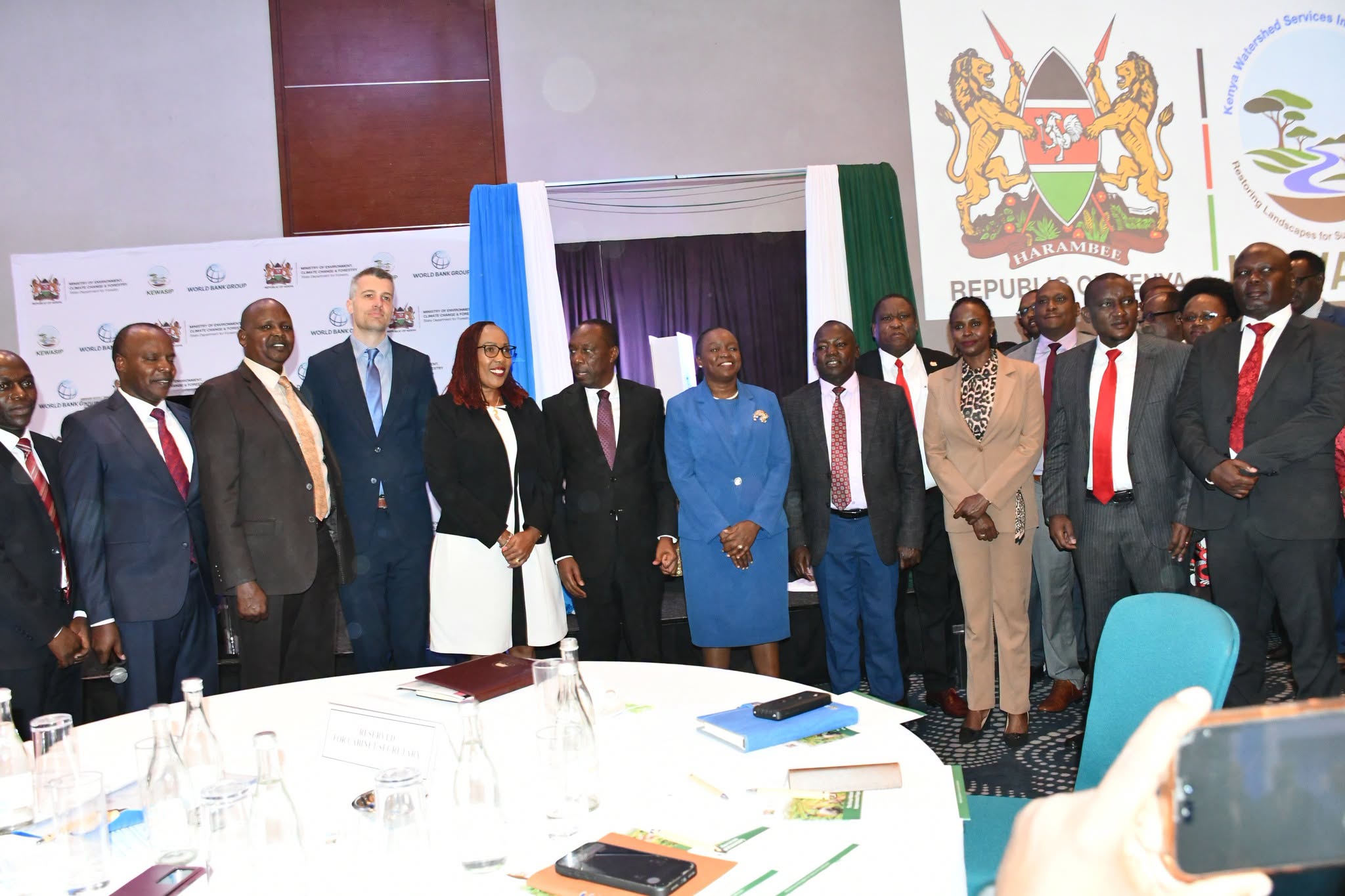
The Kenya Watershed Services Improvement Project (KEWASIP), financed by the World Bank and implemented by the State Department for Forestry, targets 200,000 hectares of degraded ecosystems across 12 counties. According to the project brief, approximately 750,000 people are expected to benefit directly and indirectly.
The participating counties are Marsabit, Isiolo, Meru, Tharaka Nithi, Laikipia, Samburu, Baringo, Makueni, Kitui, Garissa, Tana River and Kwale.
For ASAL communities, the programme’s focus on water catchments, land management and sustainable livelihoods connects environmental restoration with efforts to strengthen resilience to climate change.
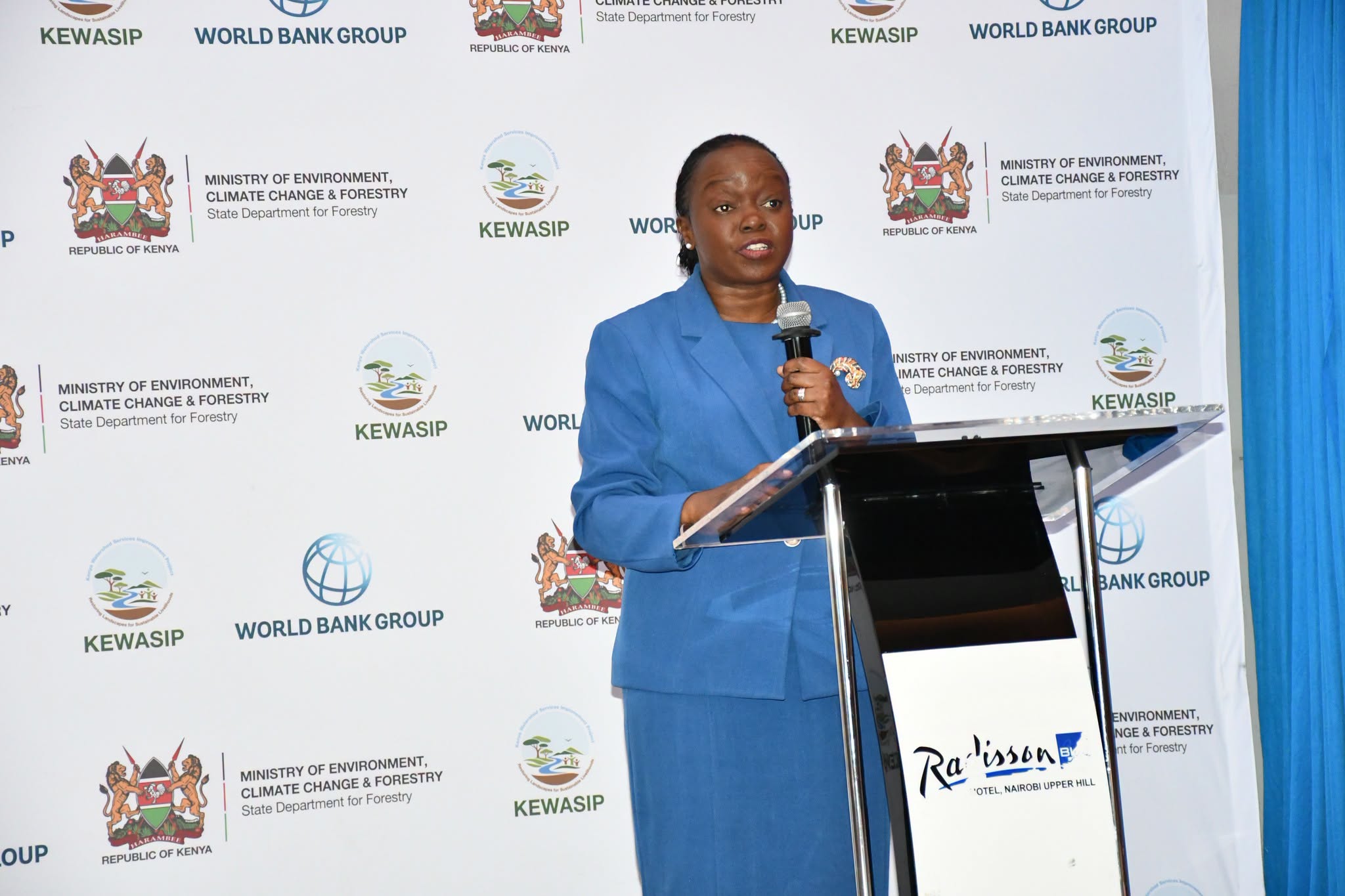
Speaking during the launch in Nairobi, Environment, Climate Change and Forestry Cabinet Secretary Dr Deborah Barasa said the initiative would address land degradation, unsustainable land use and the effects of climate change while protecting critical water catchments.
She emphasised that successful restoration requires more than planting trees.
“Restoration must address the underlying causes of degradation, improve land management, protect biodiversity and create sustainable economic opportunities for communities,” Barasa said.
Implementation will focus on five priority landscapes: Marsabit, Marmanet, Nyambene Hills, Chyulu Hills and Shimba Hills. The landscape approach will link upstream forests and water towers with river systems, agricultural areas and downstream communities.
This connection is central to the programme’s water security objectives. By addressing degradation across interconnected ecosystems, the initiative seeks to strengthen watershed functions while supporting the communities that depend on them.
The project is also expected to conserve biodiversity, promote sustainable farming and support income-generating activities. These objectives place livelihoods alongside environmental protection, reflecting the government’s emphasis on community participation in restoration.
Barasa called on county governments to take ownership of the programme and incorporate its activities into county development plans.
She also urged counties to protect environmentally sensitive areas, including hilltops, riparian zones and community forests, as part of coordinated efforts to safeguard water sources and ecosystems.
“Environmental challenges do not respect administrative boundaries, and neither should our solutions,” she said.
The Cabinet Secretary urged national and county agencies to coordinate implementation and ensure activities respond to local community needs.
For participating ASAL counties, the programme offers an opportunity to address degraded landscapes while strengthening the natural systems that support water availability, farming and other livelihood activities. Its five-year implementation will bring catchment protection and community economic opportunities into a shared restoration effort.